Top 10 Robotic Welding Solutions for Efficient Manufacturing?
In today's competitive landscape, industries are turning to robotic welding for enhanced efficiency. Dr. Emily Chen, a leading expert in automation technology, asserts, "Robotic welding transforms how we think about manufacturing." This statement underscores the growing reliance on innovative technology.
Robotic welding significantly reduces production time and increases precision. However, it is not without its challenges. Companies must invest in training and maintenance. With the right approach, these hurdles can become stepping stones to success.
As industries embrace robotic welding, they face ongoing questions. How can they effectively integrate this technology? What does the future hold? Addressing these concerns is crucial for achieving optimal productivity and staying ahead in manufacturing.
Overview of Robotic Welding Technology in Modern Manufacturing
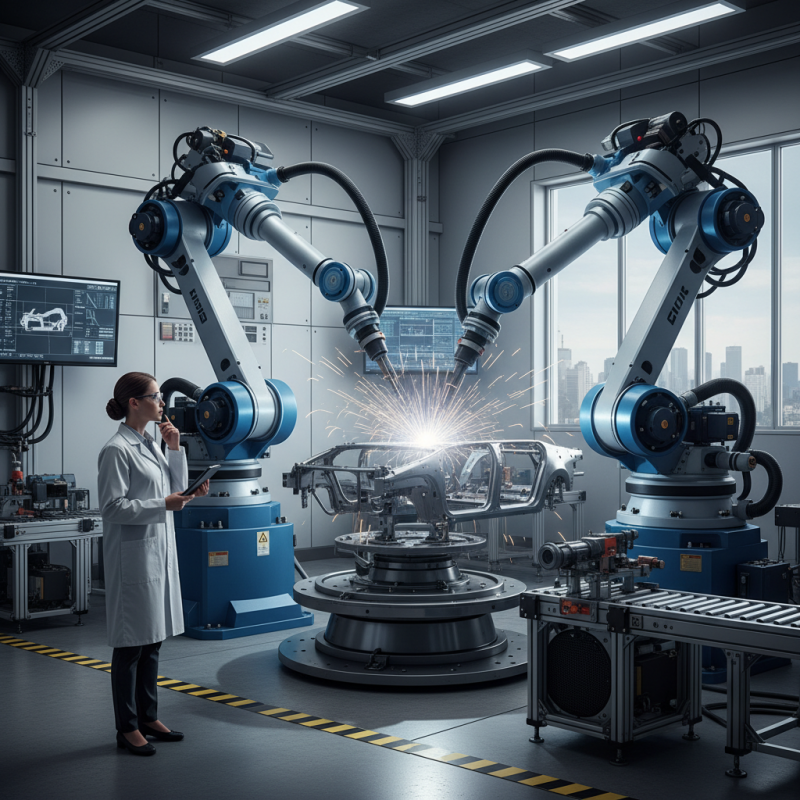
Robotic welding technology has transformed modern manufacturing environments, enhancing productivity and precision. By automating welding processes, companies can ensure consistent quality in their outputs. Robots equipped with advanced sensors and AI can adjust welding parameters in real time. This adaptability leads to fewer defects and a significant reduction in waste.
However, implementing robotic systems is not without its challenges. Initial setup costs can be high, and training staff to operate these systems requires time and investment. Additionally, while robots excel in repetitive tasks, they may struggle with complex or intricate designs. Businesses need to weigh these factors before fully embracing automation.
In this evolving landscape, a balance is crucial. Companies should consider hybrid approaches that combine human expertise with robotic efficiency. This blend can enhance both innovation and craftsmanship. As technology continues to advance, it is vital for manufacturers to remain agile. Remaining aware of the limitations while leveraging the strengths of robotic welding can lead to better outcomes.
Top 10 Robotic Welding Solutions for Efficient Manufacturing
Key Features and Benefits of Robotic Welding Solutions
Robotic welding solutions greatly enhance manufacturing efficiency. They offer precision, speed, and consistency in weld quality. Manufacturers can achieve high-quality welds without the variability often seen with manual welding. This reliability minimizes defects and waste, leading to lower production costs.
Key features of robotic welding include programmable movement, advanced sensors, and real-time monitoring. These systems can adapt to various materials and welding techniques. The integration of Artificial Intelligence can predict maintenance needs, reducing downtime. However, implementing such technology requires skilled operators for optimal performance.
Despite the numerous advantages, there are challenges to consider. Initial setup costs can be high, and training staff takes time. Some businesses may struggle with the transition from traditional methods. Reflection on these issues is essential to leverage the full potential of robotic welding effectively.
Top Applications of Robotic Welding in Various Industries
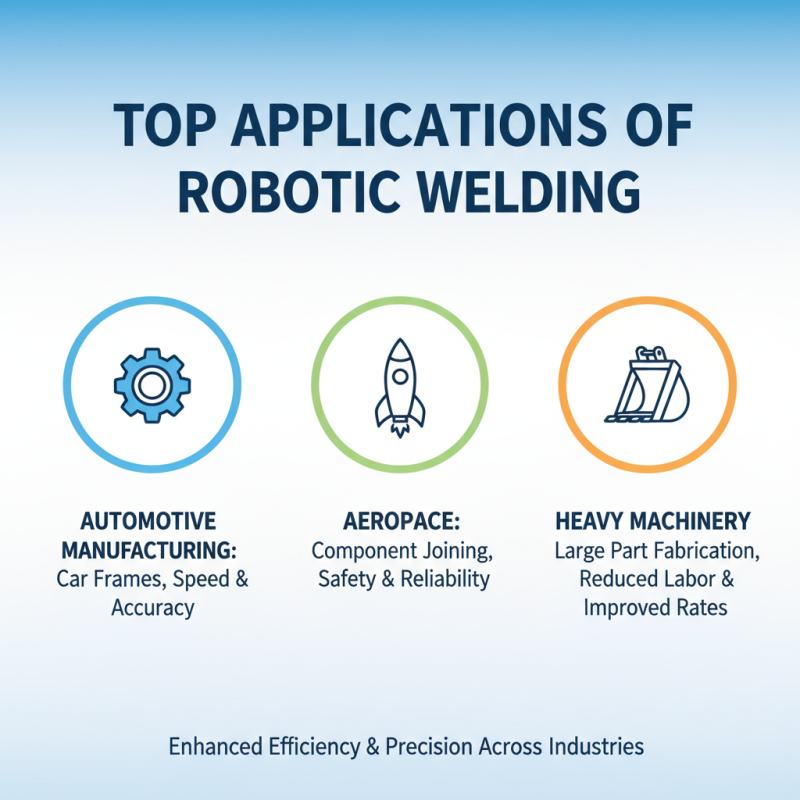
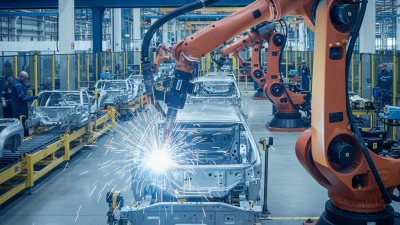
Robotic welding has transformed various industries, enhancing efficiency and precision. In automotive manufacturing, robots excel in welding car frames with speed and accuracy. Aerospace also benefits from robotic systems to join components, ensuring safety and reliability. Heavy machinery industries use robotic welding to fabricate large parts, reducing manual labor and improving production rates.
Tips: Implementing robotic welding requires proper training for workers. Understanding programming and maintenance can mitigate potential issues. Regular audits of the robotic systems are essential for identifying inefficiencies.
Robotic welding in electronics is on the rise. It allows for precise soldering of small components on circuit boards. This process reduces defects and increases output. Even in construction, robots are used for welding steel beams, enhancing safety and consistency on-site.
Tips: Assessing the layout of robotic workstations can optimize workflow. Continuous monitoring of welding quality is necessary for maintaining standards. Evaluate whether robots meet specific project needs before integration; not every application may benefit equally.
Evaluation Criteria for Selecting Robotic Welding Systems
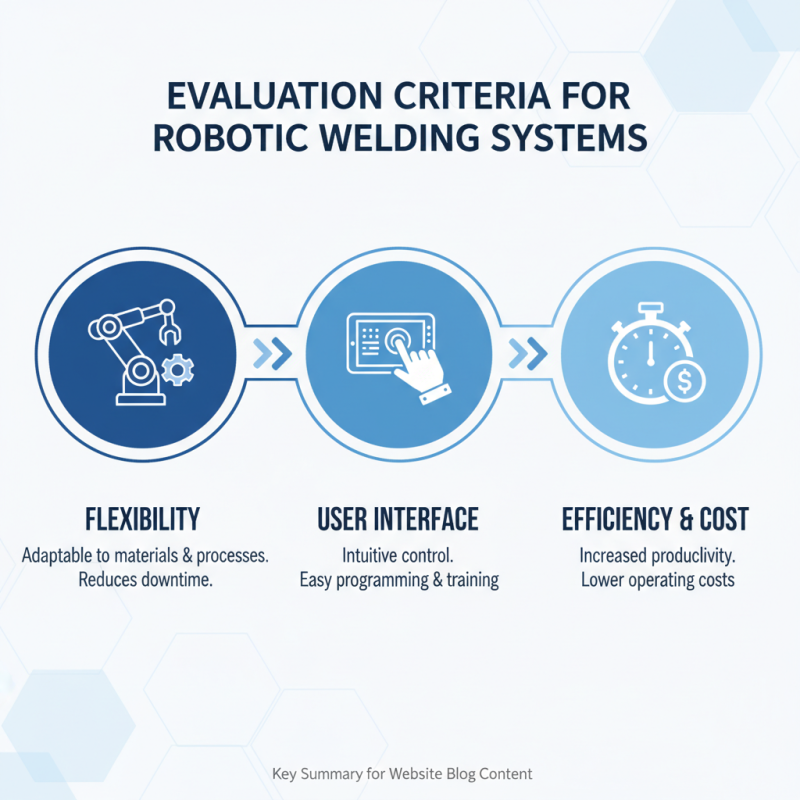
When selecting a robotic welding system, several evaluation criteria play a crucial role. One key factor is the system's flexibility. It should adapt to various materials and welding processes. The ability to handle different tasks increases efficiency and minimizes downtime. Another consideration is the user interface. An intuitive interface allows operators to program and control the robot easily. This can help reduce training time and errors during operation.
The precision and accuracy of the welding system are also vital. High-quality welds are essential for durable products. Systems should consistently deliver high repeatability to meet manufacturing standards. Reliability is another important aspect. The system must operate effectively over time with minimal maintenance. A thorough assessment of these factors ensures that the chosen robotic welding solution will meet production demands.
Cost-effectiveness should not be overlooked. Initial investment is significant, but long-term savings from increased productivity matter too. It's essential to assess the total cost of ownership. Consider factors like energy consumption, downtime, and maintenance. Evaluating these criteria comprehensively will lead to a more informed decision. However, the evolving landscape of technology means that continuous learning and adaptation are necessary.
Future Trends in Robotic Welding Technology and Automation
The evolution of robotic welding technology is shaping the landscape of modern manufacturing. Recent industry reports indicate that the global market for robotic welding systems is projected to grow significantly, with an expected CAGR of 9.2% from 2021 to 2028. This growth is driven largely by advancements in automation and artificial intelligence, allowing for faster production cycles and improved precision.
As manufacturers embrace automation, integration with IoT devices is becoming a standard. Smart sensors are now capable of real-time data analysis, which optimizes welding processes and minimizes errors. However, the integration process is not always seamless. Companies must invest in training their workforce to handle these advanced tools efficiently. A recent study highlighted that up to 30% of workers felt inadequately prepared for the technological shift.
Tip: Regularly update training programs to align with new technologies and ensure ongoing staff competency.
Looking toward the future, sustainability is becoming a key focus in robotic welding. Manufacturers are now exploring eco-friendly materials and energy-efficient processes to reduce waste. Industry studies reveal that businesses adopting sustainable practices see a marked improvement in their overall efficiency. Despite these advancements, challenges remain in standardizing practices across different sectors, as adaptations can vary widely.
Tip: Evaluate your manufacturing process regularly to identify areas that could benefit from sustainability initiatives.