Top 10 Benefits of Robotic TIG Welding for Your Projects?
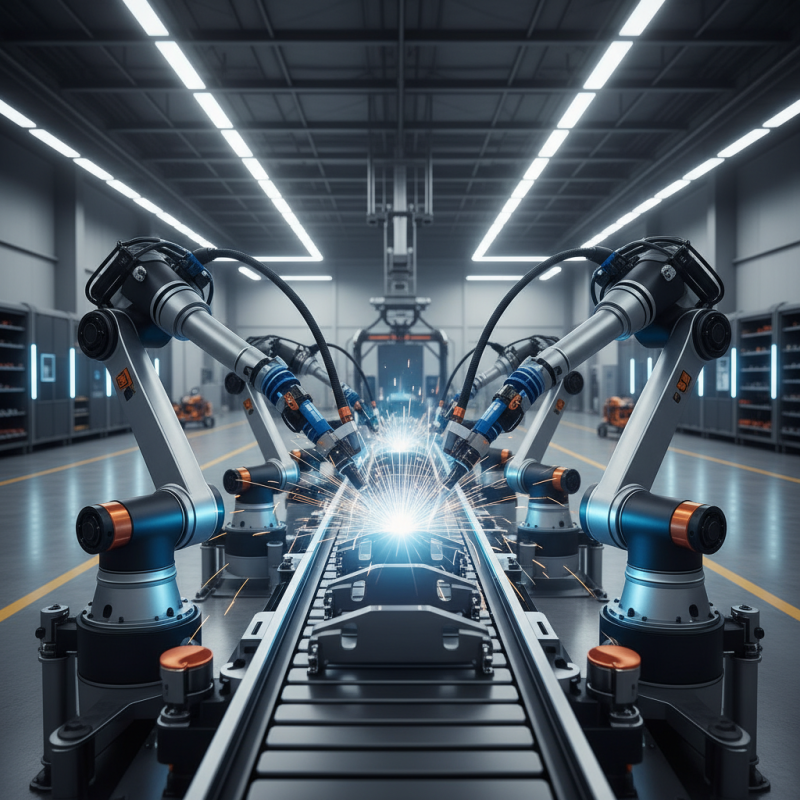
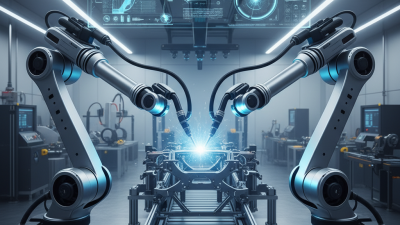
The world of welding is changing, and robotic TIG welding is at the forefront. This technology brings precision and efficiency to welding projects. With robotic arms handling the welding torch, projects benefit from speed and accuracy that manual welding often lacks.
Imagine a factory floor where every weld is consistent. Robotic TIG welding makes this possible. It dramatically reduces human error and enhances productivity. However, the initial investment can be high, which might deter some businesses.
Moreover, while robotic welding excels at high-volume tasks, it may not be the best choice for unique, one-off projects. This nuance requires careful consideration. Embracing robotic TIG welding can transform production, but it also demands a shift in mindset. Balancing budget and efficiency calls for reflection on long-term goals.
Advantages of Automation in TIG Welding Processes
The automation of TIG welding brings significant advantages to projects. Robotic TIG welders provide unmatched precision. They can maintain consistent quality across multiple welding sessions. This helps reduce the risk of human error, which is common in manual welding. The machines perform well in repetitive tasks, increasing productivity.
Another major benefit is time efficiency. A robotic system can complete welds faster than manual welding. This quick turnaround can lead to shorter project timelines. Moreover, these machines work tirelessly, diminishing downtime. Operators can focus on monitoring the process, rather than hands-on welding. However, it is crucial to train staff properly. Over-reliance on automation can lead to skills atrophy in manual welding.
While automation offers many benefits, it isn’t flawless. Maintenance needs can be an issue, requiring periodic checks. There might also be a learning curve for integrating robotic systems into established workflows. Balancing automation and human input may lead to better outcomes. It's essential to refine processes continuously, recognizing that no system is perfect.
Enhanced Precision and Consistency in Welding Results
Robotic TIG welding has transformed many industries with its precision and consistency. One of the main benefits is the enhanced accuracy in welds. Robots can produce flawless welds year-round. This eliminates many human errors, such as inconsistent heat input or improper speed. The outcome is a stronger bond and fewer defects.
The ability to replicate the same weld time after time sets robotic systems apart. Consistency is crucial in maintaining quality. In small batches, this can mean the difference between success and failure. Despite their advantages, robotic systems still require regular checks and maintenance. Over time, wear may affect their performance. This is a reminder that while technology improves efficiency, human oversight remains essential. Understanding these nuances is part of optimizing your welding process.
Top 10 Benefits of Robotic TIG Welding for Your Projects
| Benefit |
Description |
Impact on Projects |
| Enhanced Precision |
Robotic arms provide consistent, accurate welds every time. |
Reduces defects and rework. |
| Increased Consistency |
Uniform bead appearance and quality across multiple parts. |
Ensures high quality in mass production. |
| Speed and Efficiency |
Faster welding speeds compared to manual processes. |
Shortens project timelines. |
| Labor Savings |
Reduces the need for skilled labor. |
Lowers operational costs. |
| Adaptability |
Can be programmed for various welding tasks. |
Flexibility to handle diverse projects. |
| Improved Safety |
Minimizes human exposure to hazardous environments. |
Enhances workplace safety. |
| Better Weld Penetration |
Consistent heat input allows for deeper penetration. |
Strengthens joints and overall structure. |
| Data Collection |
Tracks and analyzes welding parameters. |
Facilitates quality control and process improvements. |
| Reduced Waste |
Minimizes excess material usage. |
Contributes to cost-effectiveness. |
| Enhanced Workflow |
Integrates with other manufacturing systems. |
Streamlines production processes. |
Increased Productivity and Efficiency in Manufacturing
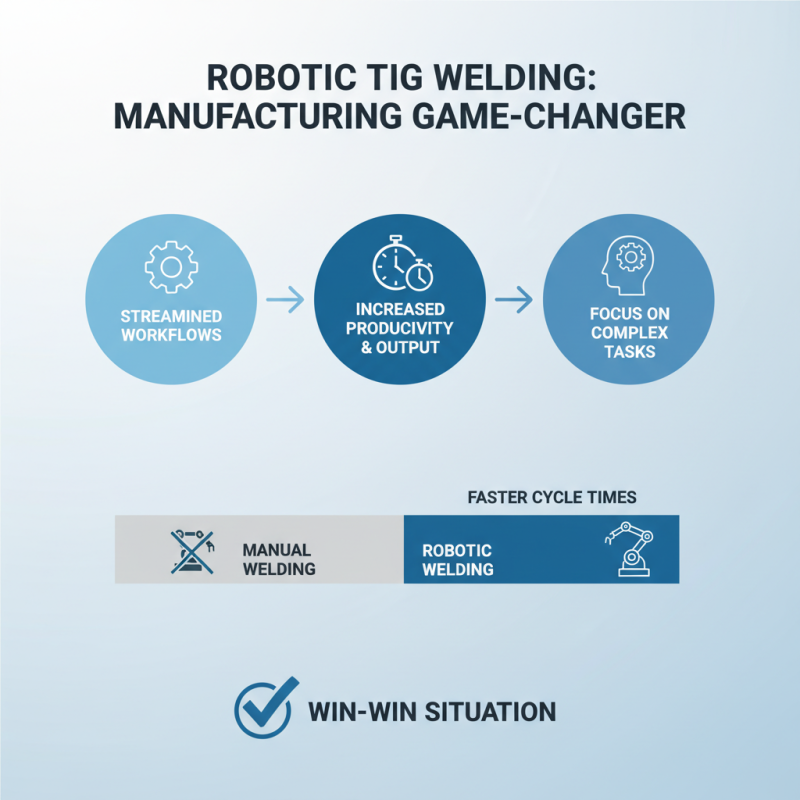
Robotic TIG welding has become a game changer in manufacturing. It enhances productivity by streamlining workflows. Automation reduces the time taken to complete each weld. This leads to higher output in the same timeframe. Workers can allocate time to more complex tasks. It’s a win-win situation.
With consistent weld quality, mistakes become less frequent. However, implementing robotic systems can be daunting. There may be a learning curve for operators. Training staff adequately is crucial for success. Seamless integration into existing processes is often challenging. Despite the complexities, the rewards can outweigh the initial struggles.
Moreover, robotic welding eliminates fatigue and variability in manual labor. This ensures a stable production rate. However, it’s vital to maintain the robots regularly. A breakdown can halt operations, causing delays. Balancing automation with skilled labor remains essential for optimal efficiency. Embracing robotic TIG welding could be the key to transforming your manufacturing projects.
Reduced Labor Costs and Safety Risks in Welding Operations
Robotic TIG welding brings many advantages, particularly in reducing labor costs and safety risks. Employing robots in welding helps streamline operations. This technology minimizes the need for manual labor, which is often costly and time-consuming. Workers can focus on higher-skilled tasks while robots handle repetitive motions.
With robotic systems, the risk of accidents decreases. Welding can be dangerous, with exposure to sparks and fumes. Robots do the risky work. This significantly lowers the chance of injuries, ensuring a safer work environment. However, it’s essential to keep in mind that robots require regular maintenance. Ignoring this can lead to unexpected downtimes, which might increase costs.
Tips: Always schedule routine checks on robotic systems. This ensures optimal performance and minimizes failure risks. Another tip is to continuously train staff to work alongside robots. This not only enhances safety but also improves efficiency. Integrating human oversight with robotics can lead to better outcomes. Aim for a balance between technology and skilled labor.
Versatility and Adaptability of Robotic TIG Welding Systems
Robotic TIG welding systems offer impressive versatility and adaptability. They excel in various industries, from automotive to aerospace. These machines can handle different materials, including aluminum, stainless steel, and even exotic metals. This flexibility makes them ideal for complex projects that require precision.
To maximize performance, ensure proper programming of the robotic system. Adjusting settings according to material types can enhance weld quality. Regularly inspect your weld patterns. This step helps identify any issues early on, preventing larger problems later.
Consider the workspace too. An organized area can improve the robot’s efficiency. Lack of space may hinder movement and lead to errors. Create a layout that supports seamless operations for the welding robot. Remember, the setup can make or break a project’s success.
Top 10 Benefits of Robotic TIG Welding for Your Projects