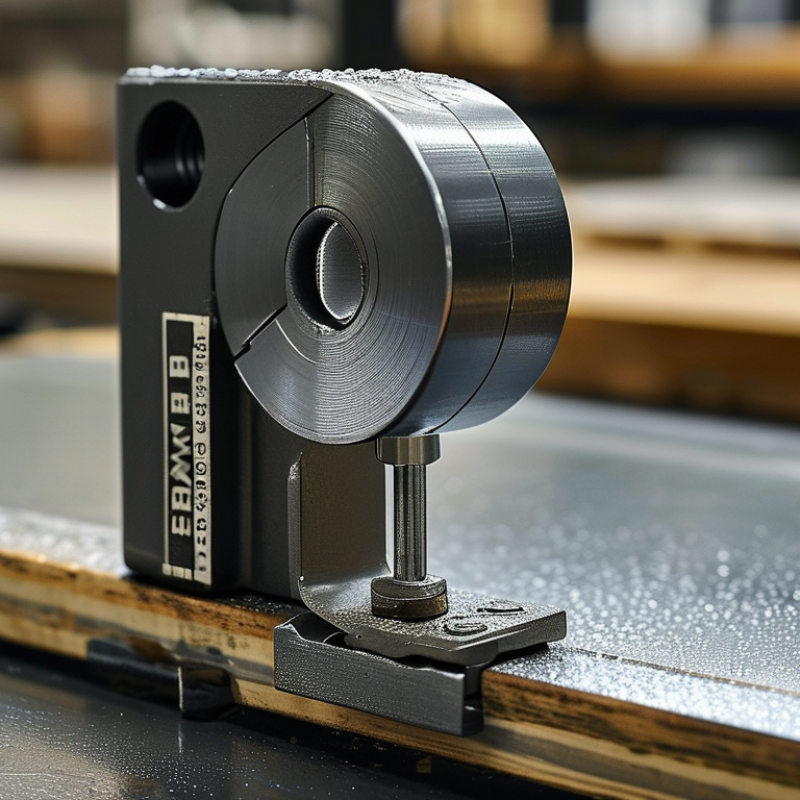
Global buyers need more than a magnet clip that feels strong in the hand. They need dependable grip, clean surfaces, stable coatings, and clear load information. This guide examines Top Heavy Duty Magnet Clips for Global Buyers through practical purchasing details. It focuses on steel cabinets, warehouse shelving, retail displays, tool boards, and office storage.
Dr. Laura Chen, a magnetic materials consultant, explains, “Holding strength matters only when the contact surface remains stable.” That observation is easy to overlook. A clip may support 20 kilograms in a laboratory test, yet perform differently on painted steel, curved panels, or dusty equipment. For this reason, buyers should review pull-force testing, magnet grade, clip material, surface finish, and temperature limits. Product photos are useful. They are not enough.
The term Magnet Clipsheavy Duty should represent performance, not exaggerated marketing. Reliable suppliers should provide measured specifications, sample evaluations, packaging details, and consistent quality records. Buyers should also check corrosion resistance, especially for humid warehouses or international shipping routes. Small design choices matter. A rubber cover can reduce scratches. A reinforced hinge can improve repeated use. Still, no clip is perfect. Load ratings may change with distance, vibration, and uneven surfaces. That uncertainty deserves honest attention. This introduction prepares global purchasers to compare products carefully, ask sharper questions, and choose clips suited to real working conditions rather than attractive claims.
Heavy-duty magnet clips combine a strong permanent magnet with a gripping clamp. They hold papers, tools, signs, cables, or light fixtures against steel surfaces. The magnet creates an attractive force through a steel plate, while the clip applies mechanical pressure. This dual action makes the clip more stable than a simple magnetic holder.
Performance depends on magnet grade, contact area, surface thickness, and coating quality. A clean, flat steel cabinet usually provides better holding power than a painted, curved panel. Pull force measures direct lifting strength. Shear force measures sliding resistance, which is often lower. I have seen clips hold well vertically, then slip when a cable pulls sideways. That detail is easy to overlook.
Reliable buyers should request tested load data, dimensions, temperature limits, and corrosion-resistance information. Check whether the stated capacity includes a safety margin. A clip rated for 20 kilograms may not safely support that weight on a vibrating surface. Test samples under real conditions, including dust, paint, humidity, and repeated opening. Small magnets can also pinch fingers or damage sensitive equipment, so packaging and handling instructions matter. Some designs feel exceptionally strong, but their clamp spring may weaken after frequent use. That is worth measuring, not assuming.
A dependable heavy-duty magnet clip starts with holding consistency, not impressive packaging. In practical product evaluations, I check its rated load against real surfaces, such as painted steel, filing cabinets, and warehouse panels. The magnet should sit flat, without rocking or sliding under vibration. A protective coating also matters. It helps resist scratches, moisture, and early rust around the edges. Strong spring tension keeps papers or thin signs secure. Yet excessive tension can crease materials or make one-handed use tiring.
Reliable performance also depends on temperature and repeated use. A quality clip should open smoothly after hundreds of cycles, with no loose hinge or weakened grip. Inspect the contact pads for uneven wear. I would not judge durability from a single sample alone; batch variation can appear later. That is an uncomfortable but important limitation. Buyers should request consistent specifications, material details, and inspection records. Clear documentation supports safer purchasing decisions and more predictable use across different work environments.
Comparing magnet clips starts with verified holding force, not magnet diameter. Pull force is usually measured against thick, clean steel with direct contact. Real loads are weaker. Paint, paper, air gaps, and curved surfaces reduce performance sharply. A practical buyer should request perpendicular pull and sliding-force data. I also prefer a 2–3 times safety margin for vibration or overhead storage.
The awkward truth: one catalog number rarely predicts field performance.
Material changes both strength and risk. Neodymium magnets provide high force in compact sizes, but they can chip and require nickel, epoxy, or rubber protection. Ferrite magnets cost less and resist corrosion, yet need more volume for similar holding power. Samarium-cobalt suits higher-temperature applications, although its price and brittleness limit general use. The U.S. Geological Survey reported about 390,000 metric tons of rare-earth oxide mine production in 2024. The report also listed China at approximately 270,000 tons, highlighting supply-chain concentration. The International Energy Agency identifies rare earths as important materials for permanent-magnet technologies.
Size and design must match the contact surface. Cup magnets concentrate force through a steel shell. Rubber-coated designs improve grip on painted cabinets and reduce scratching. Hinged or wide-jaw clips spread pressure across folders and cables. Check the clip throat, jaw opening, magnet diameter, coating, and rated temperature. A larger clip is not automatically stronger. I have seen oversized designs slip because their contact surface was uneven. Small details matter, and some product specifications still need independent testing before bulk purchasing.
Choosing heavy-duty magnet clips starts with the application, not the advertised pull force. A warehouse sign may need strong vertical holding power, while a cable clip faces repeated sideways movement. Product tests often measure force against clean, thick steel under ideal conditions. Real surfaces add paint, dust, gaps, and vibration. Choose a safety margin of at least two times the expected load. That is practical, though not universal.
For humid storage areas, coated steel clips or corrosion-resistant housings deserve attention. ASTM B117 salt-spray testing can reveal coating weaknesses, but it cannot fully predict outdoor service. Temperature also matters. Magnet strength may decline near the material’s rated limit, especially in enclosed equipment. A 2024 USGS Mineral Commodity Summaries report recorded global rare-earth mine production at about 350,000 metric tons in 2023. Supply concentration can affect cost and lead time, so buyers should request material details and backup sourcing.
Application data should be written down. Record load, contact surface, pull direction, temperature, and cleaning conditions. The MarketsandMarkets 2024 magnetic materials analysis indicates continued demand from industrial and automation uses, but market growth does not guarantee clip suitability. I have seen buyers select the strongest clip and still experience slipping on painted steel. That mistake is easy to repeat. Check samples in the actual environment. Ask for test methods, not only numbers. A compact ferrite clip may suit office signage, while a neodymium clip may better fit dense fixtures, provided its coating and handling design are appropriate.
Top Heavy Duty Magnet Clips for Global Buyers
Quality begins with measurable performance, not attractive photographs. Check magnetic pull strength using a documented test method and consistent steel thickness. Inspect clip alignment, spring tension, and surface finish on every sample. A durable coating should resist fingerprints, humidity, and light abrasion during normal handling. Ask for dimensional tolerances, material declarations, and batch inspection records. Temperature ratings also matter when clips are used near machinery or warm storage areas. In practice, packaging can affect quality too. Bent clips often result from weak cartons, not poor metal.
Customization should match the application rather than add unnecessary features. Buyers may request different clip widths, magnet sizes, hole patterns, coatings, or private packaging. Confirm drawings before production, including opening force and magnet polarity. Small changes can alter holding performance. A prototype is valuable, although one sample cannot represent an entire production run. I have found that clear acceptance criteria prevent more disputes than detailed promises. Supplier evaluation should include factory capability, response speed, traceability, and corrective-action records. Ask how rejected batches are isolated and replaced.
Tips: Test samples on the actual surface, not only clean laboratory steel. Request a short video showing pull-force testing. Compare three suppliers using the same checklist. Review recent inspection evidence, but remain cautious when records look unusually perfect. Reliability needs proof over time.
| Evaluation Dimension | Recommended Reference Range | What Global Buyers Should Check | Relevant Quality or Test Reference | Customization Options | Supplier Evidence to Request |
|---|---|---|---|---|---|
| Product Performance and Construction | |||||
| Magnet Type | Neodymium-iron-boron for high holding force; ferrite for lower-cost and higher-temperature applications | Confirm magnet grade, coating, polarity, and whether the magnet is enclosed or exposed | Material identification and batch traceability; coating inspection records | Magnet grade, shape, pole arrangement, and protective encapsulation | Material specification, production batch record, and sample test report |
| Nominal Holding Force | Approximately 2–20 kgf for common heavy-duty clip formats, depending on magnet size and test conditions | Compare test results under the same steel plate thickness, contact area, pull direction, and air gap | Internal pull-force procedure based on a calibrated force gauge; clearly documented test conditions | Magnet diameter, thickness, quantity, and clip geometry can be adjusted | Force-versus-air-gap data, calibration certificate, and retained samples |
| Clip Material | Carbon steel, stainless steel, or corrosion-resistant coated steel | Check spring recovery, edge finish, deformation resistance, and compatibility with the intended environment | Material certificate; dimensional and functional inspection records | Material grade, surface finish, wire thickness, jaw width, and spring tension | Material declaration, inspection plan, and first-article sample |
| Clip Size | Typical jaw widths: 25–75 mm; overall lengths commonly 40–120 mm | Verify opening width, closed height, magnet footprint, and available mounting space | Drawing tolerances and dimensional inspection using calibrated gauges | Custom dimensions, mounting holes, handles, rubber pads, and protective caps | 2D drawing, 3D file where applicable, and dimensional inspection report |
| Surface Protection | Nickel, zinc, epoxy, powder coating, or stainless-steel construction | Assess corrosion resistance, coating adhesion, surface uniformity, and resistance to handling wear | Salt-spray testing may be specified using ASTM B117 or ISO 9227; duration must be agreed in advance | Color, coating thickness, logo-free packaging, and anti-scratch protective film | Coating specification, test conditions, and representative photographs |
| Operating Temperature | Common neodymium grades are often rated from approximately 80°C to 150°C; verify the selected grade | Check permanent-loss risk, adhesive limitations, clip spring behavior, and exposure duration | Manufacturer material data and application-specific thermal test results | High-temperature magnet grade, heat-resistant adhesive, and metal enclosure | Temperature rating, demagnetization data, and test method |
| Safety and Handling | Use protective packaging and clear warnings for strong magnets and small detachable components | Consider pinching hazards, swallowed-magnet risks, pacemaker interference, and damage to magnetic media | Applicable destination-market product-safety requirements and packaging review | Warning labels, instruction cards, child-resistant packaging, and retail-ready cartons | Safety data, packaging artwork, and risk assessment |
| Customization and Commercial Requirements | |||||
| Design Customization | Low to high; most changes are feasible when tooling and magnet clearances are reviewed | Confirm that customized dimensions do not reduce magnet protection or clip fatigue life | Design verification, prototype approval, and change-control procedure | Clip profile, jaw shape, magnet housing, handle style, rubber insert, and mounting interface | Prototype samples, approved drawings, and engineering change records |
| Packaging Configuration | Bulk cartons, individual polybags, paper sleeves, blister packs, or export cartons | Ensure magnets are immobilized, surfaces are protected, and carton weight complies with handling needs | Packaging drop and vibration testing may be specified for transport-sensitive shipments | Pack quantity, barcode area, warning text, carton dimensions, and recycled materials | Packaging specification, packing photos, and carton packing list |
| Minimum Order Quantity | Usually lower for standard items and higher for new tooling, custom coatings, or special packaging | Separate standard-product MOQ from custom-product MOQ and identify setup charges | Written quotation with tooling, sample, and production terms stated separately | Trial order quantities, mixed-size cartons, and staged production | Formal quotation, tooling ownership terms, and sample lead time |
| Lead Time | Standard production often requires several weeks; tooling and approval can extend the schedule | Confirm whether lead time starts after purchase order, deposit, drawing approval, or sample approval | Documented production schedule and shipment milestone plan | Pre-production sample, pilot run, and phased delivery | Capacity statement, production schedule, and on-time delivery history |
| Supplier Evaluation Scorecard | |||||
| Quality Management | Suggested weighting: 25% | Evaluate incoming-material control, in-process inspection, final inspection, nonconformance handling, and traceability | ISO 9001 certification can support process evaluation but does not replace product testing | Inspection checkpoints can be added for magnets, spring force, coating, and packaging | Quality manual, audit report, inspection plan, and corrective-action records |
| Testing Capability | Suggested weighting: 20% | Verify access to calibrated equipment for pull force, dimensions, coating, temperature, and corrosion testing | Calibration should be traceable to recognized national or international measurement standards | Custom acceptance limits and lot-based sampling plans | Equipment list, calibration certificates, test methods, and sample reports |
| Production Capacity | Suggested weighting: 15% | Review monthly capacity, bottleneck processes, backup equipment, labor coverage, and material availability | Capacity claims should be supported by production records or an on-site or remote audit | Reserved capacity, rolling forecasts, and scheduled replenishment | Capacity statement, process flow chart, and recent delivery performance |
| Compliance and Documentation | Suggested weighting: 15% | Confirm ability to provide accurate material declarations, safety documents, origin information, and export records | Requirements depend on destination market, product use, packaging, and chemical content | Destination-specific labels, documentation language, and packaging declarations | Compliance checklist, declarations, certificates, and controlled document templates |
| Commercial Reliability | Suggested weighting: 15% | Assess quotation clarity, response time, payment terms, warranty process, and communication quality | Use a written quality agreement and clearly defined acceptance criteria | Inspection before shipment, replacement policy, and service-level commitments | Signed terms, warranty conditions, escalation contacts, and reference projects without undisclosed brand data |
| Logistics and Export Readiness | Suggested weighting: 10% | Review export packing, carton marking, shipping documents, delivery terms, and magnetic-material handling requirements | Confirm carrier and destination requirements before shipment, especially for air freight | Palletization, mixed-SKU loading, carton labeling, and shipment consolidation | Packing specification, sample shipping documents, and logistics contingency plan |
| Recommended Buyer Acceptance Criteria | |||||
| Pre-Production Approval | Approved drawing and signed sample before mass production | Check dimensions, holding force, opening performance, magnet security, finish, and packaging | Use a documented first-article inspection report | Record all approved options and reference samples | Approval form, controlled drawing, and golden sample retention |
| Lot Inspection | Sampling level and acceptance limits agreed before production | Inspect appearance, dimensions, clip operation, magnet polarity, holding force, and packing quantity | Sampling may be based on an agreed AQL plan; critical defects should have zero acceptance | Additional checks for custom parts or regulated destinations | Inspection report, production lot code, and release authorization |
| Defect Classification | Critical, major, and minor defects defined in writing | Examples include detached magnet, sharp edge, failed clip action, incorrect dimensions, and cosmetic variation | Acceptance criteria must be product-specific and agreed by both parties | Visual standards, limit samples, and defect photographs | Quality agreement, defect catalog, and corrective-action process |

© 1999-2025 The Lincoln Electric Company