China Top Mini Excavator Track Chain Supplier?
Finding the right China top Mini Excavator Track Chain supplier requires more than comparing prices and product photos. A dependable supplier should understand excavator weight, sprocket design, working terrain, and daily operating pressure. The correct Mini Excavator Track Chain must fit accurately, resist stretching, and maintain smooth movement under repeated loads. These details influence machine stability, fuel use, and repair frequency.
Experienced manufacturers usually control steel selection, forging, heat treatment, and final inspection in their own facilities. They should provide clear dimensions, pitch measurements, link specifications, and compatible machine models. Ask for material reports, hardness data, production photos, and practical testing records. Useful evidence matters more than confident promises. A serious supplier can also explain how the chain performs in muddy construction sites, rocky ground, and seasonal temperature changes.
Small details matter.
However, no supplier is perfect. A polished catalog may not reveal inconsistent tolerances or delayed replacement support. Buyers should review sample quality, communication speed, packaging strength, and warranty terms before placing a larger order. One overlooked measurement can create premature sprocket wear and unnecessary downtime. This is where supplier experience becomes valuable, but it still deserves verification.
A reliable Chinese supplier should combine manufacturing capability with transparent service. Look for stable quality control, responsive technical guidance, export experience, and traceable production records. The best choice is not always the lowest quotation. It is the supplier that delivers a properly engineered Mini Excavator Track Chain, explains its limitations honestly, and supports the product after shipment.
Mini Excavator Track Chains for 0.8–6 Ton Machines: Key Market Criteria
China Top Mini Excavator Track Chain Supplier?
Mini Excavator Track Chains for 0.8–6 Ton Machines: Key Market Criteria
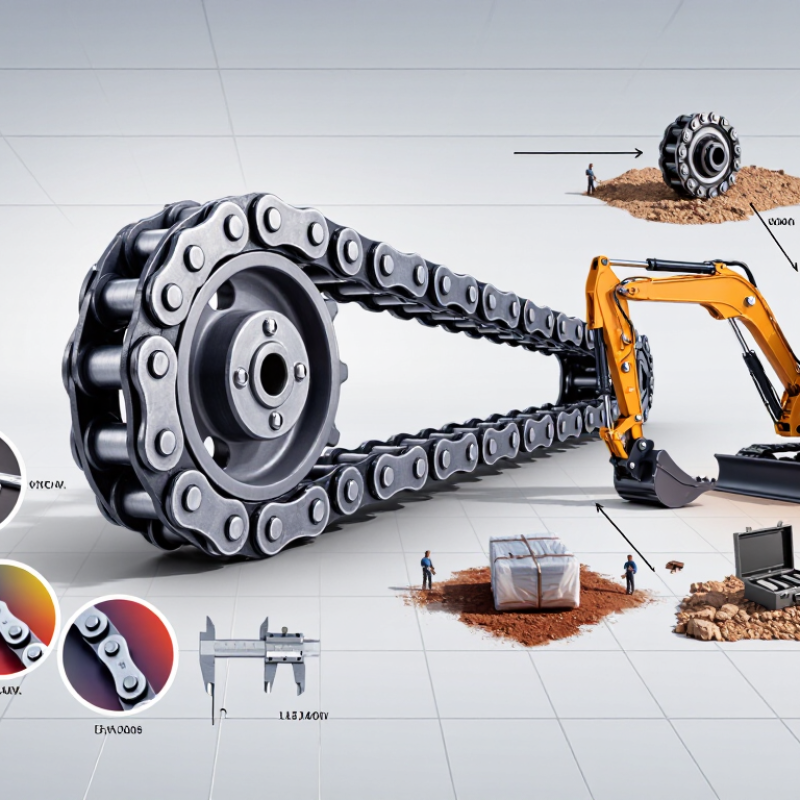
Choosing a track chain for a 0.8–6 ton excavator requires more than matching machine weight. Check pitch, link height, bushing diameter, and shoe width against the original undercarriage. A small mismatch can create uneven wear within weeks. Accurate measurements matter.
In practical inspections, I examine pin rotation, bushing hardness, and link surface finish. The chain should move smoothly, without stiff joints or visible cracks. Ask for material certificates, heat-treatment records, and dimensional inspection reports. Tensile test data also helps verify production consistency. A clean catalogue is not proof.
Operating conditions change the decision. Wet clay can pack around bushings, while demolition sites expose chains to sharp impact loads. Sealed and lubricated joints usually support longer service intervals, but poor installation can still ruin them. Confirm the chain’s fit with the sprocket and idler before shipment. Request sample measurements.
Supplier reliability deserves equal attention. Review manufacturing experience, quality-control procedures, replacement policies, and technical support. Batch traceability is useful when a failure appears months later. I have seen buyers focus on the lowest quotation and overlook shoe alignment. That mistake becomes expensive. Even experienced teams should recheck dimensions before ordering.
Material and Heat Treatment: 40Cr Steel, Induction Hardening, and HRC Testing
China Top Mini Excavator Track Chain Supplier?
Material and Heat Treatment: 40Cr Steel, Induction Hardening, and HRC Testing
Choosing a top mini excavator track chain supplier requires more than a low quotation. Material control matters from the first melt. Experienced manufacturers often use 40Cr steel because it balances strength, toughness, and machinability. However, the steel grade alone proves little. Each batch should include heat numbers, chemical analysis, and inspection records. This traceability helps buyers investigate early wear instead of guessing.
Induction hardening strengthens the chain’s working surfaces, especially around pin and bushing contact areas. Controlled heating creates a hardened layer while preserving a tougher inner core. That balance is important. Excessive hardness may reduce impact resistance and cause cracking. Insufficient hardening may lead to rapid wear, loose joints, and poor track tension. The process should record heating temperature, frequency, speed, cooling method, and effective case depth.
HRC testing provides useful evidence, but one reading cannot describe the entire part. Inspectors should test several links and multiple locations, including the surface and transition zone. A polished test point can also mislead. During supplier audits, request test reports linked to the actual production batch. Compare them with physical samples and dimensional checks. No process is perfect. A supplier may pass one sample while missing a local soft spot, so repeated testing and honest review remain necessary.
China Mini Excavator Track Chain: 40Cr Steel, Induction Hardening and HRC Testing
The chart shows a representative hardness profile for 40Cr track-chain components after induction hardening. Surface hardness is typically targeted around 50–58 HRC for wear resistance, while the core remains softer, commonly about 28–35 HRC, to preserve toughness. Actual results depend on carbon content, quenching conditions, section size, and the HRC test method.
China Supplier Selection: Factory Audit, Sample Testing, Warranty, and Lead Time
Choosing a top mini excavator track chain supplier in China requires more than comparing prices. A factory audit reveals practical details that brochures often hide. Check forging equipment, heat-treatment records, inspection tools, and worker training. Ask to see recent production samples, not staged photographs. A reliable supplier should explain steel grades, roller hardness, pin fit, and chain tension clearly. These details affect wear, noise, and undercarriage stability.
Request samples for testing before placing a larger order. Measure pitch, bushing diameter, pin hardness, and link alignment with calibrated tools. Install the sample on a compatible mini excavator and monitor movement across muddy and rocky ground. A short test may miss long-term wear. That is an uncomfortable limitation, but it should be recorded honestly. Review the warranty in writing, including coverage, evidence requirements, response time, and replacement procedures. Vague promises create expensive disputes later.
Tips: Confirm the production lead time in calendar days. Separate manufacturing time from shipping time. Ask how holidays, material shortages, and failed inspections affect delivery. One supplier may promise ten days, yet need three weeks after approval. Include inspection checkpoints before final payment. Keep test reports, photographs, and signed specifications together. This simple record improves accountability and makes future quality decisions more consistent.