Why Choose a Robotic Welding Machine for Your Business?
In the fast-paced world of manufacturing, a robotic welding machine stands out as a key innovation. These machines enhance productivity and improve precision in welding processes. Companies that adopt this technology often experience significant cost savings and higher quality output.
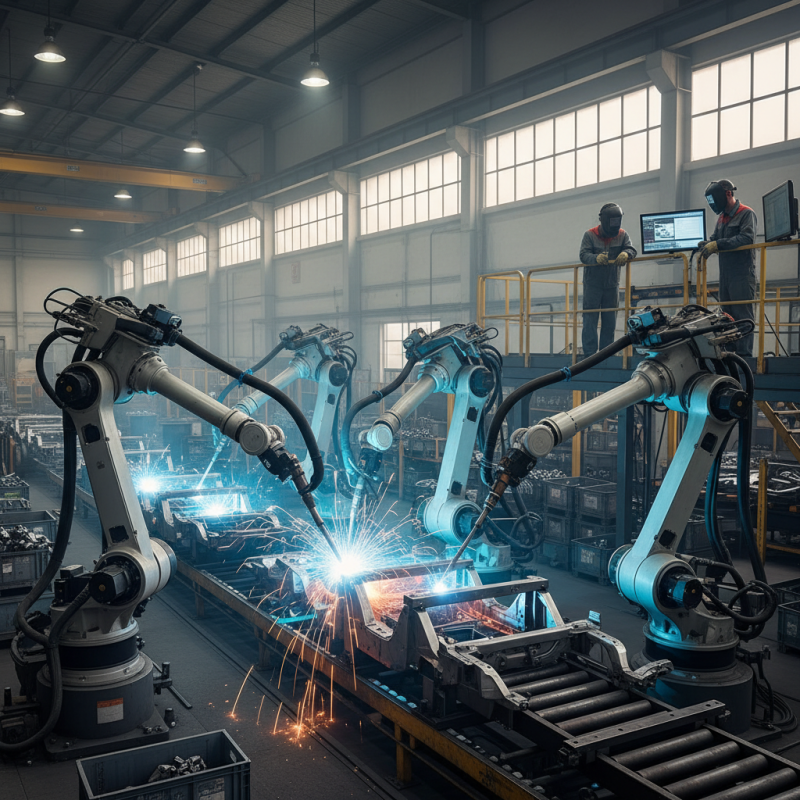
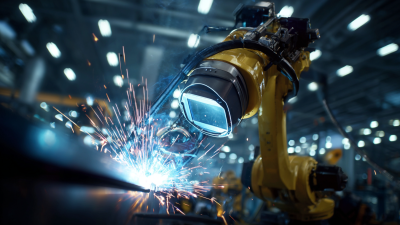
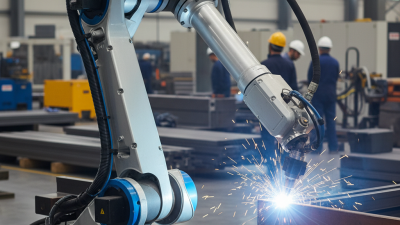
Imagine a factory floor where sparks fly and metal pieces come together seamlessly. The robotic welding machine operates tirelessly, ensuring consistent welds without fatigue. Human welders can take breaks, but machines work 24/7. However, there are challenges too. Initial investment costs can be high, and training is essential for staff.
Businesses must weigh these factors carefully. Embracing a robotic welding machine can lead to remarkable advances, but not all companies are ready for such a transition. The decision demands careful thought and planning to maximize its benefits while minimizing drawbacks.
Advantages of Robotic Welding Machines Over Traditional Methods
Robotic welding machines offer significant advantages over traditional welding methods. One key benefit is precision. Reports indicate that robotic systems can improve weld accuracy by up to 50%. This precision reduces material waste and minimizes costly rework. For businesses aiming to enhance quality, this is crucial.
Additionally, robotic welding increases productivity. A study from a leading research organization found that automation can boost welding efficiency by 40%. This means shorter cycle times and higher output. Fewer operators are needed as well, allowing for resource reallocation. However, some may perceive this as a drawback, fearing job losses. It creates a need for workforce training and upskilling.
Moreover, robotic systems improve consistency. Unlike human welders, robots do not tire, ensuring uniform results across jobs. This consistency leads to stronger and more durable welds. However, integrating robotic welding can be challenging. Initial setup costs can be high, and technical expertise is required. Businesses must weigh these factors carefully before transitioning.
Why Choose a Robotic Welding Machine for Your Business? - Advantages of Robotic Welding Machines Over Traditional Methods
| Feature |
Robotic Welding |
Traditional Welding |
| Speed |
High speed with continuous production |
Slower, depends on operator skills |
| Consistency |
High precision and repeatability |
Variable quality, dependent on human factors |
| Safety |
Reduces human exposure to hazardous environments |
Higher risk of accidents and injuries |
| Cost Efficiency |
Lower long-term operational costs |
Higher labor costs over time |
| Flexibility |
Can be easily programmed for different tasks |
Limited adaptability to new projects |
| Maintenance |
Requires less frequent maintenance |
More frequent maintenance required |
Key Features to Look for in Robotic Welding Machines
When considering a robotic welding machine for your business, it's essential to evaluate key features. A vital aspect is precision. Look for machines with advanced control systems. These systems allow for exact movement and speed. High-quality welding requires consistency. A machine that can repeat tasks accurately is crucial. Precision minimizes errors and reduces waste.
Another important feature is adaptability. A good robotic welding machine should handle various materials and projects. This versatility can save time and costs. A machine that offers easy programming is also beneficial. It should allow quick adjustments for different jobs. Users often find programming complicated, which can slow down production. A user-friendly interface is a must.
Lastly, consider maintenance and support. Look for machines that are easy to maintain. Regular upkeep is essential for longevity. Machines requiring frequent repairs can disrupt operations. It's good to have a support plan in place. Reflect on how downtime might impact your business. Every minute of delay could mean lost revenue. Choosing the right features now can prevent issues later.
Cost Efficiency and Long-Term Savings with Automation
Investing in a robotic welding machine can significantly enhance cost efficiency for businesses. According to a recent industry report, automating welding processes can reduce labor costs by up to 30%. This reduction is substantial, especially for companies struggling with rising wages. In 2022, manufacturers reported an average savings of $100,000 annually by adopting robotic welding technology.
Automation not only cuts labor expenses but also improves precision. Automated welding minimizes errors, which can lead to costly rework. For instance, a study indicated that companies using robotic welding achieved a 40% reduction in material waste. Less waste translates to more savings over time.
Tips:
Consider starting small. Pilot a robotic welding system on one project. Assess results before scaling. Understand that technology adoption often requires a learning curve. Training staff to work with robots can take time. Be prepared for initial hiccups, but recognize the long-term benefits. Embracing these machines can lead to higher productivity levels and better output quality.
Impact on Production Speed and Quality Control
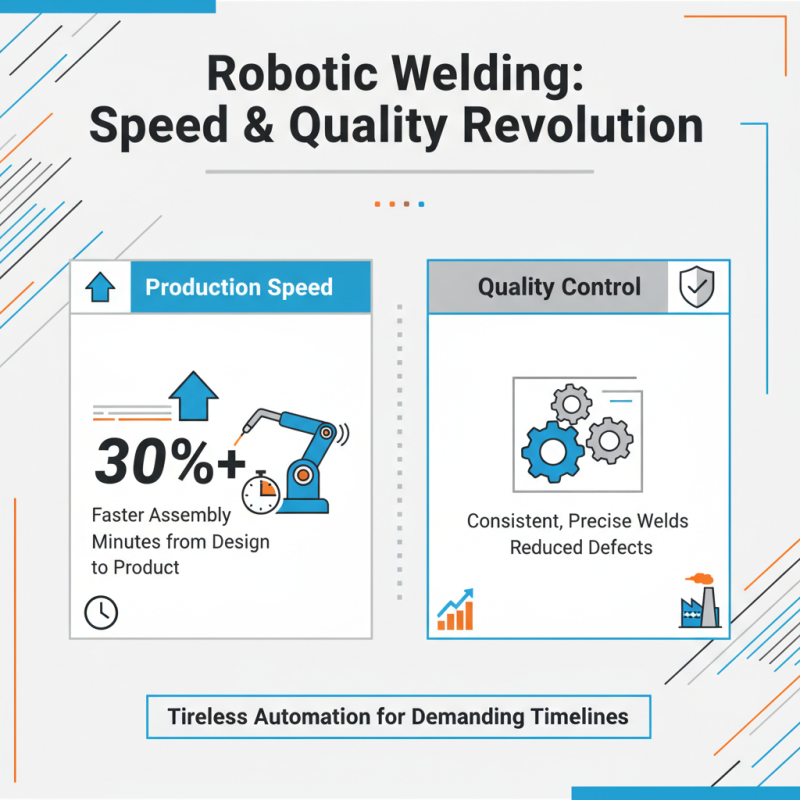
Robotic welding machines are changing the game in production speed and quality control. They work tirelessly, reducing the time from design to finished product. In many cases, production speed can increase by over 30%. Imagine a factory where pieces assemble together within mere minutes. This boost enables businesses to meet demanding timelines.
However, the advanced technology doesn’t come without challenges. Programming these machines requires specialized skills. Some employees may find it daunting. Additionally, adapting to robotic systems can disrupt workflows initially. Companies must invest in training and support to smooth the transition. The balance between speed and overcoming tech hurdles is crucial.
Quality control also sees a significant improvement. Robots ensure consistent welds, reducing human error. This reliability can lead to fewer defects, saving costs on rework. But, one must consider potential limitations in flexibility. Robots excel at repetitive tasks but may struggle with complex designs. Regular evaluations are necessary to ensure the technology fits evolving needs.
Implementation Challenges and Solutions for Robotic Welding Systems
Implementing robotic welding systems can be a game changer. However, businesses often face various challenges. One major issue is the initial setup cost. Investing in advanced machines and training can strain budgets, especially for small companies. It's crucial to weigh these costs against the long-term benefits.
Another challenge is workforce adaptation. Employees may resist new technology. They might feel insecure about their roles. Using training programs can ease this transition. Involving employees in the process fosters acceptance. Some might still struggle to adapt. Continuous feedback can help identify these gaps.
Maintenance is another concern. Robots require regular checks and updates. Unforeseen breakdowns can halt production. Establishing a solid maintenance routine is essential. Companies should also develop contingency plans. At times, the technology might not provide the expected performance. Regular assessments can guide necessary adjustments, ensuring systems meet production demands.