How to Choose the Best Gift Paper Bag Machine for Your Needs?
In today's competitive market, selecting the right Gift Paper Bag Machine is crucial for businesses aiming to enhance their packaging solutions. The global demand for eco-friendly packaging continues to rise, with the market for paper bags projected to reach $8 billion by 2025. Companies are increasingly focused on sustainable practices, making an effective gift paper bag machine an essential investment.
Choosing the best machine involves understanding your production needs and evaluating options that align with your business goals. Many manufacturers showcase advanced technology that boosts efficiency and reduces waste. However, with various features and prices available, it is easy to feel overwhelmed. Reflecting on your specific requirements can lead to better decisions.
While new innovations promise speed and quality, they may not always be the right fit for smaller operations. It is important to balance features with usability and cost-effectiveness. An informed choice could enhance overall productivity and contribute positively to the environment. The Gift Paper Bag Machine you choose should support your brand's ethos while meeting market demands effortlessly.
Understanding Different Types of Gift Paper Bag Machines Available
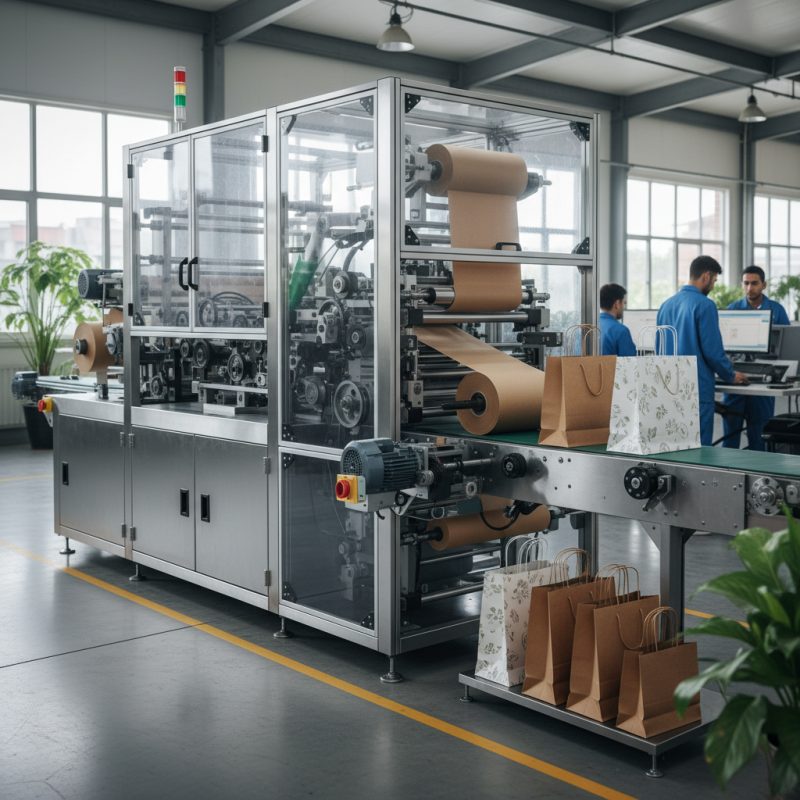
When choosing a gift paper bag machine, it's crucial to understand the types available. Generally, these machines vary based on size, speed, and functionality. Some models are designed for small-scale production, while others cater to high-volume output. Each type serves different business needs, depending on the volume of paper bags required.
Manual machines offer a cost-effective option for startups. They require more labor, which can increase production time. However, they provide flexibility for custom designs. Automated machines, on the other hand, can produce bags at a faster rate. They often have advanced features like automatic folding and gluing, leading to a more streamlined workflow.
Consideration of material types is also essential. Some machines handle only specific paper weights. Lighter papers might jam in heavier-duty machines, resulting in downtime and frustration. Furthermore, not all machines accommodate eco-friendly options, which could limit your customer appeal. Evaluate your business goals and production needs carefully. Identifying potential shortcomings in the machines can guide you to the best choice.
Key Features to Consider When Selecting a Gift Paper Bag Machine
Selecting the right gift paper bag machine involves weighing several key features. Production capacity is critical. Some machines can produce up to 1,000 bags per hour. This speed caters to high-demand environments. Adjustability is also crucial. Being able to accommodate different bag sizes ensures versatility. This is increasingly important as consumer preferences evolve.
Quality of materials influences durability. High-quality machines often use strong frames that withstand continuous operation. Moreover, user-friendly interfaces improve efficiency. Training staff is simpler with intuitive controls. Reports indicate that 65% of manufacturers prioritize ease of use in procurement decisions. Notably, maintenance requirements should not be overlooked. Regular maintenance prevents costly downtime in production.
Energy efficiency stands out as a growing concern. The industry has seen a 20% increase in demand for eco-friendly machines. Adoption of energy-efficient technology not only helps the environment but can also reduce operational costs. However, finding a balance between energy consumption and output may require careful analysis. Failing to assess total costs can lead to unexpected expenses. Consider these facets thoroughly when evaluating potential machines.
Assessing Production Capacity and Speed for Your Business Needs
When selecting a gift paper bag machine, production capacity and speed are critical factors. In the packaging industry, efficiency directly impacts profitability. A study by Packaging Strategies indicates that businesses with machines producing over 60 bags per minute have seen a 40% reduction in labor costs. This highlights the importance of matching production capabilities with your operational demands.
Speed alone isn’t enough. Consider the intricacies of your workflow. Machines should seamlessly integrate with existing processes. For example, an adequate machine should not only produce quickly but also allow for easy adjustments. Market data suggests that machines facilitating quick changeovers can enhance productivity by up to 25%. Ensuring you choose a machine that balances speed and adaptability can lead to sustained growth.
Evaluating your future needs is vital. Rapidly changing consumer preferences can lead to fluctuating demand. Machines with variable speed settings offer flexibility. Not every machine will meet your evolving requirements. Research shows that businesses investing in versatile solutions often outperform competitors in adaptability. Consider your long-term vision when selecting your equipment to ensure ongoing success.
Evaluating Quality and Durability of Gift Paper Bag Machines
When selecting a gift paper bag machine, evaluating quality and durability is crucial. Both factors significantly impact the machine’s long-term performance. According to a recent industry report, machines made from high-quality materials last up to 30% longer than their cheaper counterparts. This increased lifespan can lead to significant savings over time.
Durability is also linked to the technology used in the machine. For instance, advanced automation and precision engineering often ensure better performance under high-volume production. A study indicated that machines with high durability can sustain up to 10,000 cycles before showing signs of wear. This means fewer breakdowns and maintenance issues.
However, not all machines meet these standards. Some flags raising concerns about build quality. Often, buyers may overlook the importance of certifications. Machines with relevant certifications show a commitment to standards. Beware of machines without these credentials, as they might not provide the expected level of reliability. Evaluating a machine's material composition and technological features can prevent poor investment choices.
Budgeting and Cost Analysis for Gift Paper Bag Machines
When selecting a gift paper bag machine, budgeting is crucial. Assessing your financial capacity will guide you toward suitable options. Machines vary significantly in price, depending on features and capabilities. Identify what you need: speed, size, or design flexibility. Allocate funds for potential upgrades in the future. Don’t forget maintenance costs; these can affect your long-term budget.
In addition to the initial cost, consider the hidden expenses. Training staff to operate the machine can incur costs. Spare parts should also fit within your budget. A cheaper machine might save upfront, but could lead to more repairs later. Evaluate the reliability of the machine. Machines with high reliability often offer better long-term value, saving both time and money. Balancing upfront costs with potential long-term savings is vital.
Before committing, research different models extensively. Read reviews and seek expert opinions. Even the best choices have drawbacks; no machine is perfect. Explore alternatives and weigh the pros and cons. Understanding your specific needs will help you avoid overspending. It’s a mistake many make, rushing into a purchase without adequate research.