How to Choose the Right Water Meter Pulse Sensor for Your Needs?
Selecting the right water meter pulse sensor is crucial for accurate measurement in various applications. The global water metering market is projected to reach USD 24 billion by 2026, reflecting a growing need for reliable data collection in water management. Accurate readings are vital for municipalities and industries to monitor consumption and reduce waste effectively.
When assessing a water meter pulse sensor, consider factors like compatibility, precision, and installation ease. A sensor's performance can significantly impact operational efficiency. Reports indicate that improper selection can lead to up to 15% inaccuracies in readings, which can escalate costs over time. This highlights the importance of understanding specific requirements.
Finding a perfect match isn't always straightforward. Each application may demand different specifications and features. It may require weighing various sensor types and their unique capabilities. Reflecting on these considerations can ensure a more informed choice and better investments.
Understanding the Basics of Water Meter Pulse Sensors
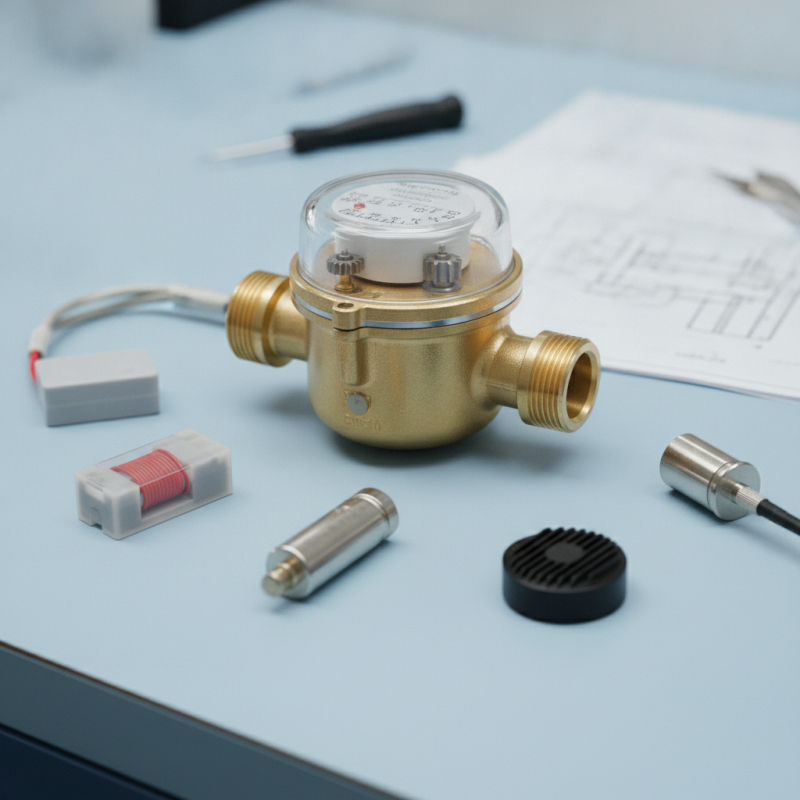
Water meter pulse sensors play a critical role in water usage monitoring. Understanding their basics is essential before making a selection. These sensors convert the flow of water into electrical pulses. Each pulse corresponds to a specific volume of water. This information can be used for billing or consumption tracking.
When choosing a pulse sensor, consider the installation type. Inline sensors fit directly into pipelines. Clamp-on sensors are non-intrusive. They attach to the outside of the pipe. Each type has advantages and limitations. Inline sensors often provide accurate readings. However, they require more effort for installation.
Another factor is the compatibility with existing systems. Check the output signals from the sensor. They should match your monitoring system's requirements. The range of flow rates supported is also critical. It’s common to underestimate flow variations. This could lead to inaccurate readings. Not choosing the correct sensor might affect overall water management. Remember to involve experts in the selection process. Their insights can prevent costly mistakes.
Water Meter Pulse Sensor Performance Comparison
Identifying Your Specific Measurement Requirements
Choosing the right water meter pulse sensor requires careful consideration of your measurement needs. Start by assessing the volume of water you typically measure. Do you need to track usage in gallons or liters? Understanding your requirements helps narrow down options significantly. Different sensors are calibrated for various flow rates, so select one that matches your application.
Next, consider the environment where the sensor will be installed. Will it be exposed to extreme temperatures or corrosive materials? Some sensors are best suited for clean water, while others can handle dirty or contaminated sources. Identifying specific conditions ensures reliable performance over time.
Don't forget about connectivity. If real-time data is essential, look for sensors that offer compatibility with digital systems. Yet, remember that more features can lead to increased complexity. Strive to balance functionality with usability. Reflect on what truly matters for your needs and avoid getting lost in technical specifications.
Evaluating Different Types of Pulse Sensors Available
When selecting a water meter pulse sensor, understanding the types available is crucial. Different models serve distinct applications. Electromagnetic sensors excel in measuring flow in various fluid types. They offer great accuracy, but installation can be complex. On the other hand, mechanical sensors are simpler. They are often more cost-effective and easier to install, but can be less accurate at low flow rates.
Tips: Consider your specific needs before making a choice. Think about installation space and whether you require high precision. Additionally, ensure compatibility with your current system.
Ultrasonic pulse sensors are gaining popularity as well. They work well in clean water applications and can provide real-time data. Their installation is user-friendly, but they may come at a higher upfront cost. However, lifespan and maintenance must be considered. Choosing the wrong sensor could lead to frequent replacements or inaccurate readings.
Tips: Always check the specifications. Consider factors like temperature range and pressure limits. These can significantly affect sensor performance in actual conditions.
Analyzing Compatibility with Existing Water Meter Systems
Choosing the right water meter pulse sensor involves analyzing compatibility with your existing water meter system. Compatibility is crucial to ensure accurate readings and seamless integration. A report from the American Water Works Association indicates that roughly 30% of water utility companies face challenges due to incompatible sensor systems. This can lead to data inaccuracies and increased operational costs.
Different water meters have unique specifications and output standards. Therefore, it’s essential to match the sensor output with your meter’s capabilities. For instance, many sensors operate on either reed switch or hall effect technology. While both can be efficient, not all water meters are designed to support both types. Users should check the specifications of their current system carefully to avoid discrepancies.
Furthermore, the physical installation is a significant aspect. Many pulse sensors require specific mounting configurations. In some cases, users may need to modify existing plumbing or install additional components. A survey by the International Water Association found that nearly 25% of installations faced issues due to incorrect setups. Such reflections emphasize the importance of thorough planning and understanding before making a decision.
Considering Environmental Factors and Installation Needs
When selecting a water meter pulse sensor, environmental factors play a significant role. Consider the operating temperature range. Extreme temperatures can affect the sensor's accuracy and lifespan. If you live in a region with harsh winters, ensure the sensor can withstand those conditions.
Installation needs also shape your choice. Assess the space where the sensor will fit. Compact environments may require smaller sensors. Check the compatibility with your existing plumbing system. An improper fit can lead to inaccurate readings, increasing water waste.
Tips: Inspect the sensor regularly. Look for signs of wear or damage. This simple action can prevent bigger issues later. Also, consider the medium through which the sensor communicates. A reliable communication method ensures you receive accurate data. Avoid sensors that offer complicated calibration processes. The goal is efficiency and reliability.