How to Choose the Best Die Cutting Tools for Your Needs?
Choosing the right Die Cutting Tools can greatly enhance your crafting experience. With many options available, it's easy to feel overwhelmed. The right tool can make cutting clean and precise. However, not every tool suits every project.
Consider your specific needs. Different projects may require distinct die cutting tools. Handheld tools are great for quick cuts. Machines offer versatility for larger tasks. Each type has its benefits and drawbacks. Think about how often you will use these tools. Will they serve you for multiple projects?
Researching brands and reading reviews can be beneficial. Look for tools that offer reliability and ease of use. Check for warranties or customer support. Sometimes, even experienced crafters may pick tools that don’t quite fit their needs. Reflecting on past experiences can guide you to better choices. Ultimately, the best die cutting tools are those that align with your crafting goals.
Understanding Different Types of Die Cutting Tools Available in the Market
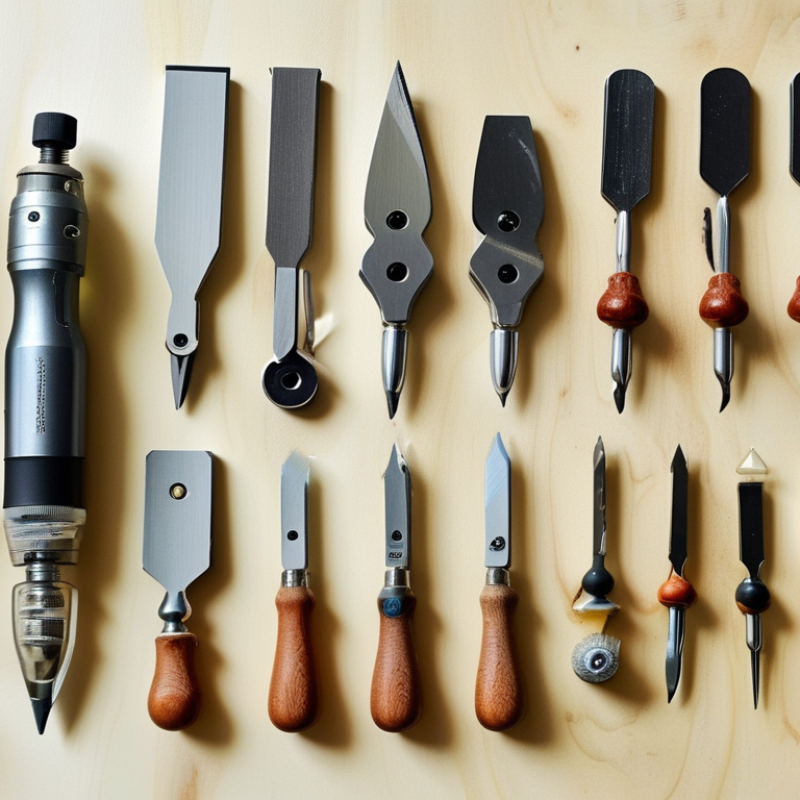
When exploring die cutting tools, it's essential to understand the various options available. Manual die cutters are often favored for their simplicity and portability. They require no electricity. This can be advantageous for those who work in different locations. Electric die cutting machines, conversely, are ideal for larger projects. They provide speed and precision, reducing fatigue during long creative sessions.
Rotary die cutters stand out for their ability to deliver intricate designs with ease. These tools can handle various materials like cardstock or fabric. However, they might not be suitable for everyone. Consider whether you need precision or if you prefer a more hands-on approach. Additionally, there are tools specifically for creating stencils, giving users even more versatility.
Another option includes digital die cutting machines. They allow intricate designs to be cut from digital files. The learning curve is steeper, but the results can be incredible. Yet, technology can be intimidating for some. Take time to practice before investing significantly. Each tool has its strengths and weaknesses, reflecting your personal crafting style.
Key Considerations for Choosing the Right Die Cutting Machine for Your Project
Choosing the right die cutting machine requires careful thought. Consider the type of projects you want to tackle. Are you into paper crafts, textiles, or thicker materials? Different machines cater to specific needs. Think about the materials you will use most often. This can greatly influence your decision.
Evaluate the machine's functions and features. Some machines can handle intricate designs, while others focus on basic shapes. Accuracy and ease of use are essential. If you're new to die cutting, a more straightforward model may be best. However, experienced crafters might prefer advanced features that allow for greater creativity.
Don’t overlook the size of the machine. A compact design might seem appealing, but it could limit your projects. Take measurements of your workspace before deciding. Some machines have a larger cutting area, which can impact the scale of your projects. Reflect on your commitment level; investing in a machine is a serious decision. Make sure to weigh both your short-term needs and long-term goals.
Comparison of Die Cutting Tools Based on Key Considerations
Analyzing Material Compatibility: What You Need for Different Die Cuts
Choosing the right die cutting tools involves understanding material compatibility. Different materials require distinct cutting techniques. For instance, cardstock and thin paper can handle straight cuts easily. However, thicker materials like leather or wood boards need specialized tools and higher pressure.
According to a report by the Craft and Hobby Association, 45% of crafters use various materials. This statistic underscores the importance of knowing which tools work with specific substrates. Industry data reveals that many inexperienced users struggle with thicker materials. This often leads to uneven cuts or damaged tools. It's essential to test different combinations to achieve the desired results.
Reflections on material compatibility reveal challenges. Not all tools can handle mixed media projects. Users may find that what works for one type might fail for another. Observing others' experiences can provide insight but also caution. It's crucial to share both successful and failed attempts in experimentation.
How to Choose the Best Die Cutting Tools for Your Needs? - Analyzing Material Compatibility: What You Need for Different Die Cuts
| Material Type | Recommended Die Cutting Tool | Blade Type | Cutting Thickness | Best Techniques |
| Paper | Manual Die Cutter | Straight Blade | Up to 0.5 mm | Slow and steady motion |
| Cardstock | Electric Die Cutter | Rotary Blade | 0.5 to 1 mm | Use multiple passes |
| Felt | Rotary Die Cutter | Fabric Blade | Up to 2 mm | Fast cutting motion |
| Vinyl | Cameo Cutter | Standard Blade | Up to 1 mm | Use a cutting mat |
| Leather | Heavy-Duty Die Cutter | Rotary Blade | Up to 3 mm | High pressure required |
Budgeting for Die Cutting: Cost vs. Quality in Tool Selection
When selecting die cutting tools, budgeting plays a crucial role. Many crafters encounter the dilemma of balancing cost and quality. It's tempting to choose the cheapest options, but this often leads to disappointment. Low-cost tools may wear out quickly or underperform. Investing in quality can save money in the long run.
Consider what you truly need from your die cutting tools. Analyze your projects and style. If you only create occasional crafts, a mid-range tool may suffice. However, serious crafters require durability and precision. Quality tools often provide a better user experience. They cut cleanly and last longer.
Reflect on your priorities. Are you willing to spend more for features that enhance your craft? Sometimes, the best tools are not the most expensive ones. User reviews can help in your decision-making process. They offer insights into performance and longevity. Balancing these factors can lead to a more satisfying crafting experience.
Top Brands and Their Features: A Comparison of Leading Die Cutting Tools
When selecting die cutting tools, understanding features and brand comparisons is essential. Each brand presents unique strengths. For instance, some tools offer advanced precision. Their cutting blades can handle various materials, enhancing design capabilities. A recent industry study revealed that 40% of crafters prioritize blade quality when choosing tools.
Simplicity in use is another factor. Brands known for user-friendly interfaces often attract beginners. Features like easy-to-change blades and clear instruction manuals can make a significant impact. Data indicates that 55% of new users abandon complex tools. Brands that emphasize ergonomic design can improve comfort during prolonged use, which is vital for professionals.
Durability remains a concern. While many brands advertise longevity, actual user experiences vary widely. Reports show that 30% of users replace their tools within a year. Investing in robust options may reduce long-term costs. Moreover, the availability of replacement parts can influence brand loyalty. Users often reflect on their choices, seeking reliable options for their crafting needs.