How to Choose the Right Towable Boom Lift for Your Project?
Choosing the right Towable Boom Lift is crucial for your project’s success. This equipment can significantly enhance your efficiency when working at heights. However, selecting the right model is not always straightforward. Various factors influence your choice, like working height, load capacity, and terrain type.
Understanding these factors can save time and prevent frustration. For instance, not every Towable Boom Lift is suitable for rugged landscapes. Some may struggle on uneven ground or in tight spaces. You might also find yourself overwhelmed by different brands and features. Reflecting on your specific needs is vital. Consider where you will use the lift and the tasks you need to accomplish.
Remember, investing in the wrong model can lead to costly delays. It’s essential to weigh your options carefully. Engaging with knowledgeable suppliers or rental companies can provide valuable insights. Make your decision based not only on specifications but also on real-world applications. This thoughtful approach can greatly benefit your project's outcome.
Understanding the Basics of Towable Boom Lifts
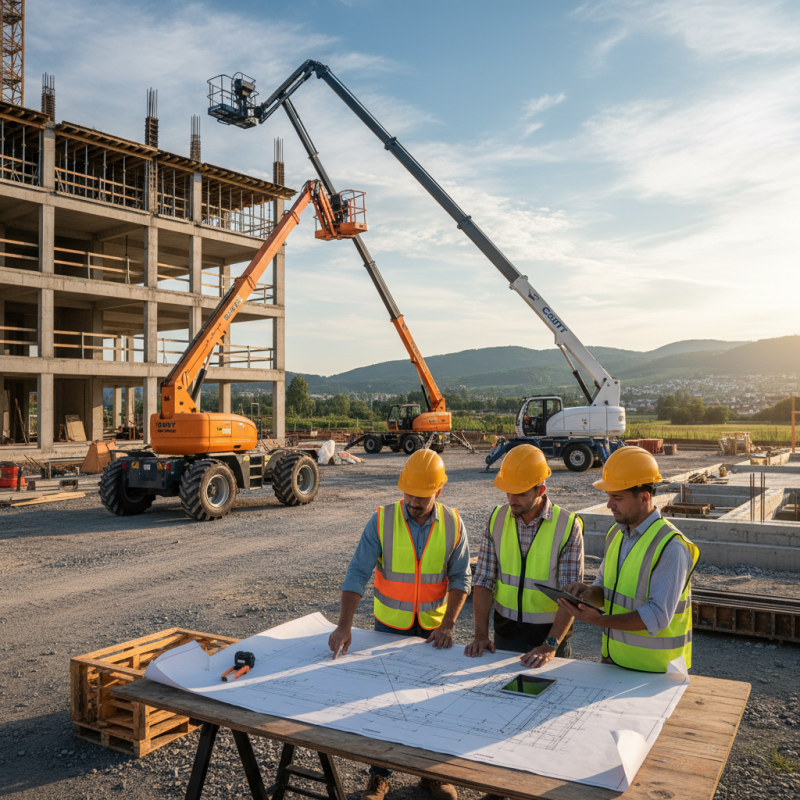
Towable boom lifts are essential for many construction and maintenance projects. They provide elevated access quickly and efficiently. Understanding their basics is crucial for making informed choices. According to industry reports, the global market for aerial work platforms, including boom lifts, is projected to reach $10.5 billion by 2025. This growth indicates a rising demand for versatile lifting solutions.
A key aspect of towable boom lifts is their portability. Unlike traditional cranes, these units can be easily towed by vehicles. They are ideal for sites with limited space. Yet, this convenience comes with challenges. Factors such as weight capacity, maximum height, and outreach are critical to consider. Many operators encounter limitations when they underestimate their project's needs.
Safety is another paramount concern. Reports show that improper usage contributes to a significant percentage of accidents involving aerial lifts. Operators must understand the features of their equipment. For example, being aware of the platform's weight limits can prevent dangerous situations. Many accidents point to a lack of training and understanding of boom lift functions which must not be overlooked.
Evaluating Project Requirements for Boom Lift Selection
Selecting the right towable boom lift hinges on understanding the specific needs of your project. Start by assessing the height you require. Heights vary widely, and choosing incorrectly can lead to safety issues. Consider the weight capacity as well. Overloading a boom lift could cause it to fail. This demands careful planning.
Next, think about the terrain. Different lifts operate well on diverse surfaces. If your project site has rugged terrain, a lift designed for such conditions is essential. Accessibility matters too. Can the lift easily reach the work area? Will it fit through narrow passages or gates? These details often get overlooked but are crucial for smooth operation.
Finally, evaluate the duration of the project. Renting a lift for the long term can increase costs unexpectedly. Assessing budget constraints is equally vital. A lift may seem affordable but may incur high operational expenses. Reflect on all these factors to make an informed decision. It’s not just about lifting; it’s about lifting safely and efficiently.
Key Features to Consider in Towable Boom Lifts
When selecting a towable boom lift for your project, certain features are crucial. Consider the working height and reach. Assess the lift’s maximum height. Make sure it can easily reach all necessary work areas. This becomes vital for projects with varying elevations. The platform capacity also matters. Understand how many people and tools you need to lift. A lift with insufficient capacity may lead to safety risks.
Mobility and weight are key features as well. A lightweight model can be easier to tow. Look at the dimensions for both transportation and setup. Some lifts can fit into tight spaces and narrow paths. Stability is another important factor. Ensure the lift has solid outriggers and a stable base for safe operation.
Think about additional functionalities. Some models offer features like automatic leveling. This can save time during setup and improve safety. However, these features may come at a higher cost. Reflect on whether your budget allows for these advancements. Always prioritize essential features that match your project needs over unnecessary extras.
Assessing Lift Capacity and Working Height Needs
When choosing a towable boom lift, lift capacity and working height are crucial factors. You need to assess the specific requirements of your project. Most boom lifts can handle between 500 to 1,000 pounds. But what if your job requires more? It's essential to understand the weight of materials and equipment you'll be lifting. For example, a typical toolbox can weigh 100 pounds, while scaffolding might weigh around 350 pounds. Always leave room for error.
The working height of the lift is also important. Many towable boom lifts offer heights ranging from 30 to 70 feet. Projects that involve building maintenance or tree trimming often require higher reaches. A common mistake is underestimating the height needed, leading to potential risks and project delays. Make sure to measure the height of the structure accurately.
Tips: Always check the lift's specifications before renting. If your project involves uneven terrain, ensure the lift is suitable for that environment. Additionally, consider wind conditions on-site, as they can impact lift stability. Planning helps prevent unforeseen complications. Keep a checklist to verify all details, and make adjustments as needed. Sometimes, simple calculations can lead to better outcomes.
Comparing Rental vs. Purchase Options for Boom Lifts
When considering a boom lift for your project, you'll face a critical choice: rent or buy? Renting can offer flexibility. You can select the exact lift you need without a long-term commitment. It's beneficial for short-term projects. You can try different models. However, costs can add up quickly. Frequent rentals may exceed the price of purchasing.
On the flip side, buying a boom lift means investment. You own the equipment and have it available at all times. This can be advantageous for ongoing projects. Maintenance costs might surprise you, though. Repairs and upkeep can strain budgets. Additionally, storing a lift requires space. Not every company has room for such large equipment.
Ultimately, weigh your options carefully. Analyze your project duration and frequency of use. Consider rental costs versus ownership expenses. Every decision comes with trade-offs. You might find renting fits better for smaller jobs. Alternatively, a purchase may be wise for larger, ongoing tasks. Think through your priorities.