10 Essential Tips for Choosing the Right Robot Machine for Your Business?
The rise of automation in business has transformed operations across various industries. In 2023, the robotics market is projected to reach $210 billion, reflecting an increasing reliance on robot machines. Companies now face the challenge of selecting the right equipment to enhance efficiency and productivity. A robot machine can significantly reduce labor costs and improve precision in manufacturing tasks.
Choosing the appropriate robot machine is not always straightforward. Many businesses struggle with understanding their specific needs. For instance, 54% of companies report difficulties in assessing the capabilities of available robot machines. As the technology evolves, organizations must ensure they are not left behind. The wrong choice can lead to increased expenses and operational setbacks. It’s essential to reflect on your business's requirements and align them with robot capabilities.
Investing in a robot machine should not be taken lightly. It's crucial to conduct thorough research and analysis. Companies should evaluate various factors, such as scalability and support services. Some businesses find weaknesses in opting for cheaper solutions without considering long-term impacts. Ultimately, the right robot machine can be a game changer, but only if businesses make informed decisions.

Understanding Your Business Needs for Automation
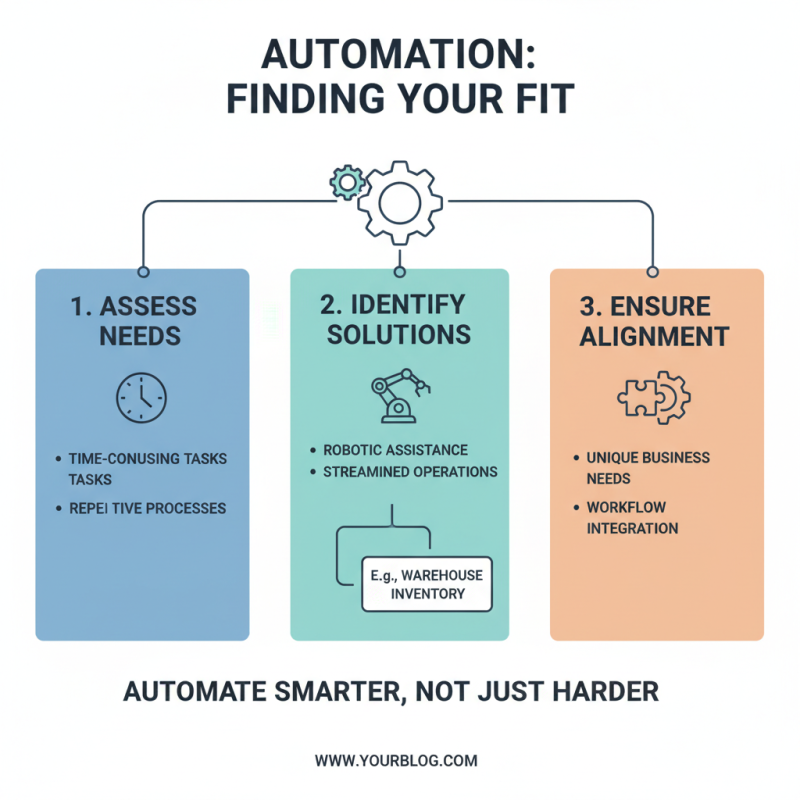
When considering automation, it's crucial to understand your unique business needs. Take a moment to assess what tasks consume most of your time. Identify the repetitive processes that could benefit from robotic assistance. For instance, if you run a warehouse, think about inventory management. An automated system can streamline these operations, but only if it fits your workflow.
Another important aspect is scalability. Will the robot grow with your business? An inflexible solution may hinder future expansion. Evaluate how many units you might need in the coming years. Consider if the robot can adapt to new tasks as your demands evolve. It’s easy to get enticed by flashy features, but practicality is key. Not every robot will suit your situation, even if they seem advanced.
Lastly, think about your team. How will they interact with the new technology? Training may be required. Will your staff feel comfortable using the robot? Resistance can arise if they believe automation threatens their jobs. Addressing these concerns early can foster a smoother integration. Reflect on these aspects, and you'll be better equipped to select the right machine for your business.
Identifying the Type of Robot Machine Suitable for Your Industry
In today’s fast-paced industrial landscape, selecting the right robot machine for your business is crucial. Different industries require specific solutions. For example, manufacturing relies heavily on robotic arms for assembly tasks. According to a recent report, the global industrial robotics market is expected to reach $70 billion by 2025. This growth signals increasing adoption across various sectors.
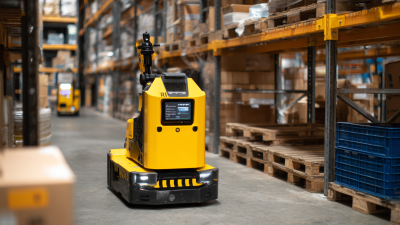
Consider your specific needs. Warehousing and logistics, for instance, may benefit from autonomous mobile robots. These machines can transport goods efficiently. A study suggests that companies using such robots can see a 15% increase in operational efficiency. However, businesses must weigh the costs against potential returns. Finding a balance can be challenging.
Additionally, customer service robots are gaining traction in the retail space. They assist in managing inquiries, and their effectiveness can vary. One report highlighted that 60% of consumers feel robots improve their shopping experience, yet 40% express concerns about human interaction loss. Proper analysis is essential before implementation. Taking the time to identify your industry requirements can help avoid costly mistakes.
Distribution of Robot Machine Types Suitable for Various Industries
This bar chart illustrates the distribution of different types of robot machines that are commonly used across various industries. Each type of robot machine corresponds to a specific industry need, showcasing how businesses can choose the right technology for their operations.
Evaluating Technical Specifications and Performance Metrics
When selecting a robot machine for your business, understanding technical specifications is vital. Look for metrics like payload capacity, reach, and precision. A robot's payload capacity indicates how much weight it can handle. If your tasks require heavy lifting, this factor becomes crucial. Reach is equally important; ensure the robot can access all necessary areas of your workspace.
Performance metrics also play a significant role. Cycle time is paramount; it affects your operational efficiency. Shorter cycle times usually lead to greater productivity. However, be cautious—achieving the fastest cycle time may compromise quality. Exceptionally fast robots might struggle with intricate tasks. Assess the precision of the movements. Machines with higher accuracy can improve the overall quality of your end product.
Evaluating these aspects may sometimes lead to challenges. A robot with superior specifications might exceed your budget. Conversely, a more affordable option may not meet your performance needs. It's essential to strike a balance. Design and functionality should work in harmony. Don't overlook potential maintenance costs, as they can significantly impact long-term investment. Making informed decisions requires careful consideration of both the technical capabilities and the practical implications for your business.
Considering Budget and Return on Investment for Robot Machines
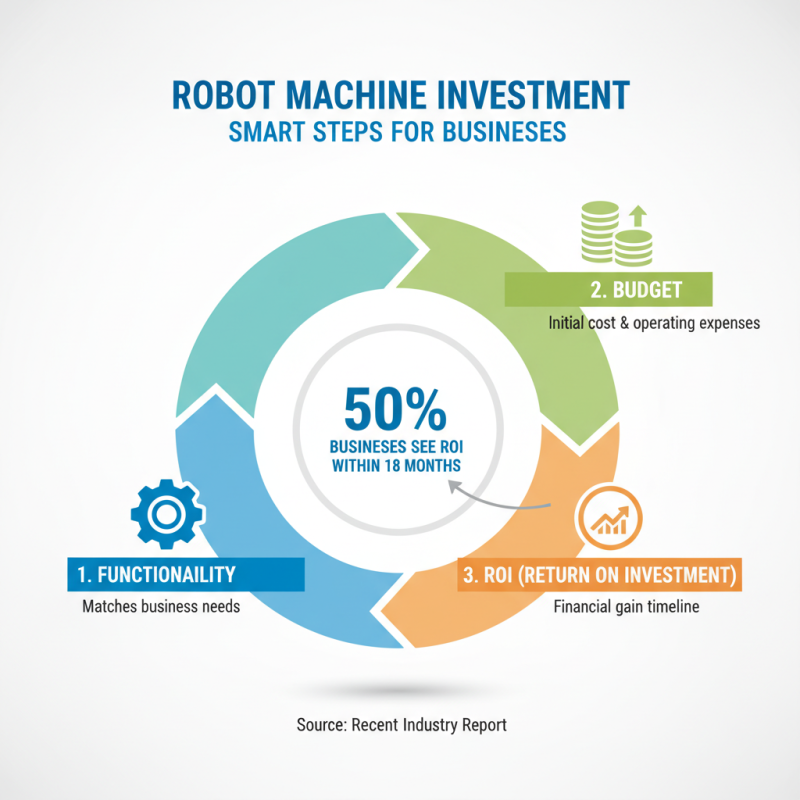
Choosing the right robot machine for your business goes beyond just functionality; budget and return on investment (ROI) are critical. According to a recent industry report, 50% of businesses see an ROI on automation within 18 months. This statistic underlines the importance of careful financial planning when investing in robotic technology.
When selecting a robot machine, consider the initial costs. You may face expenses like setup, training, and maintenance. This can add up quickly. Analyzing these costs carefully can prevent unexpected financial strain. Calculate how automation will impact labor costs and productivity in your specific environment. A miscalculation here might lead to disappointing results.
Here’s a tip: focus on machines that offer flexibility. A versatile robot can adapt to various tasks, reducing the need for separate machines in the future. Look for options that can be updated or reprogrammed as your production needs change. This adaptability may save costs in the long run.
Another crucial aspect is ongoing expenses. You may overlook maintenance costs. Frequent repairs or updates can erode your savings. Some reports suggest that maintenance accounts for 30% of total operation costs. Evaluate these factors to ensure a comprehensive understanding of your investment.
Researching Vendor Reputation and Support Services
Choosing the right robot machine is not just about specifications. Vendor reputation plays a crucial role. Companies should look for vendors with a proven track record. According to a report by the International Federation of Robotics, 72% of businesses prioritize vendor support services when selecting automation solutions.
Customer reviews and testimonials are valuable. Reviews can reveal potential issues not covered in product specifications. A study from Robotics Business Review shows that 58% of companies faced challenges due to insufficient vendor support. This might cause delays and increased costs. Assess how vendors handle customer feedback. A strong response to criticism indicates a commitment to improvement.
Support services are more than just troubleshooting. They include training, maintenance, and updates. A lack of ongoing support can lead to underperformance. Reports indicate that 40% of businesses regret not investing in training for their staff. This impacts productivity, as employees struggle to utilize machines effectively. Evaluating a vendor’s support services may reveal their commitment to customer success.
10 Essential Tips for Choosing the Right Robot Machine for Your Business
| Dimension |
Importance Level |
Vendor Reputation |
Support Services |
| Functionality |
High |
Positive Reviews |
24/7 Support |
| Compatibility |
Medium |
Industry Expertise |
Extended Warranty |
| Cost |
High |
Competitive Pricing |
Cost Transparency |
| User Reviews |
High |
High Satisfaction |
User Training |
| Maintenance |
Medium |
Strong After-Sales |
Scheduled Maintenance |
| Scalability |
High |
Growth-Oriented |
Upgrade Options |
| Technology Updates |
Medium |
Innovative |
Regular Updates |
| Training and Resources |
High |
Comprehensive Documentation |
Workshops Available |
| Customer Support |
High |
Responsive |
Dedicated Support Teams |
| Safety Features |
High |
High Standards |
Safety Training |