Essential Tips for Understanding Electrical Steel?
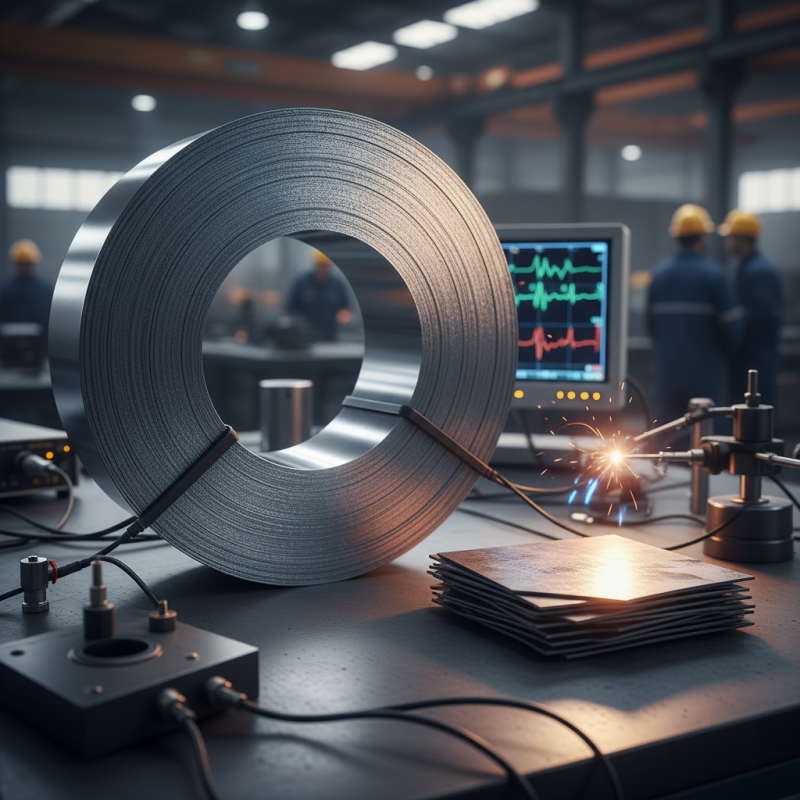
Understanding Electrical Steel is crucial in various industries. This specialized material plays a vital role in electrical applications. It is designed to enhance efficiency in motors and transformers. A deep dive into Electrical Steel reveals its unique properties and uses.
Electrical Steel comes in two main types: oriented and non-oriented. Oriented Electrical Steel is more efficient in high-performance applications. It reduces energy loss, which is essential in modern devices. Non-oriented Electrical Steel is widely used in everyday electrical equipment. Each type caters to specific needs, raising questions about their applications.
The production process of Electrical Steel also deserves attention. It involves careful quality control and testing. This ensures that the material meets industry standards. However, imperfections can occur. Understanding these flaws is vital to improving manufacturing techniques. Recognizing these aspects can lead to better performance in end products.
Introduction to Electrical Steel: Definition and Applications
Electrical steel is a specialized material used primarily in the manufacturing of transformers, motors, and generators. Its low core loss and high permeability make it ideal for these applications. Understanding its properties is essential for engineers and manufacturers alike. The two types often discussed are grain-oriented and non-grain-oriented electrical steel, each with distinct uses.
When working with electrical steel, consider these tips. First, pay attention to the grades available. Different grades provide varying performance levels. Choosing the right one affects efficiency and cost. Secondly, make sure you understand the manufacturing process. Errors during production can lead to defects that are hard to identify later. Lastly, always factor in the magnetic properties. They can significantly influence the performance of electrical machines.
The applications of electrical steel extend beyond traditional areas. Their use in renewable energy technologies is growing. Wind turbines and solar inverters are increasingly reliant on efficient electromagnetic components. However, not all designs consider the latest advancements in materials science. As the industry evolves, it's crucial to remain informed and adaptable.
Types of Electrical Steel: Grain-Oriented vs. Non-Grain-Oriented
Electrical steel is crucial for many applications. It is mainly used in transformers and electric motors. Understanding the types of electrical steel can help in selecting the right material for your needs. The two primary types are grain-oriented and non-grain-oriented steel.
Grain-oriented electrical steel has a specific grain structure. This structure enhances magnetic properties. It allows for better energy efficiency in devices like transformers. These materials offer lower core losses when aligned correctly. However, their manufacturing process can be complex and costly.
On the other hand, non-grain-oriented electrical steel has a random grain structure. It provides more versatility. This type is easier to produce and is often used in smaller motors and appliances. However, it may not have the same efficiency as grain-oriented steel. Sometimes, engineers face difficulty choosing between the two types. They must weigh performance against cost. In some cases, neither type may meet all specifications, leading to further evaluation. Understanding these differences is essential for making informed decisions.
Essential Tips for Understanding Electrical Steel
This chart illustrates the comparison of Magnetic Flux Density for Grain-Oriented Steel and Non-Grain-Oriented Steel. Grain-Oriented Steel offers a higher magnetic flux density, making it preferable for applications requiring high efficiency in transformers and motors.
Key Properties of Electrical Steel: Magnetic and Electrical Characteristics
Electrical steel plays a crucial role in the manufacturing of transformers, motors, and generators. Understanding its properties is essential for optimizing performance. Key characteristics of electrical steel include its magnetic and electrical properties, which significantly influence energy efficiency.
Magnetic permeability is a main feature. It determines how easily a material can become magnetized. According to industry reports, silicon steel can offer a permeability of up to 2000 H/m, which boosts efficiency in electrical devices. Additionally, the core loss is another vital metric. Low core loss translates to less wasted energy. These losses can be as low as 1.0 W/kg at 50 Hz for high-grade electrical steels.
Electrical conductivity affects the performance of electrical steel too. Higher conductivity means less energy wasted as heat. Many reports indicate that electrical steel with superior conductivity can reach values above 106 S/m. However, manufacturers sometimes face challenges in balancing high conductivity with mechanical strength. This can lead to compromises that may not yield the best results in every application. Understanding these trade-offs is key to making informed material choices.
Manufacturing Processes of Electrical Steel: Techniques and Technologies
The manufacturing processes of electrical steel involve various techniques that enhance its magnetic properties. These materials are crucial in electric motors and transformers. Understanding these processes can help improve product efficiency and performance.
Hot rolling is one common technique. It involves heating steel and rolling it into thin sheets. This process impacts the grain structure and magnetic characteristics. Yet, achieving the desired thickness can be challenging. It requires careful monitoring of temperature and pressure.
Another important method is cold rolling. This technique further refines the properties of electrical steel. It increases the strength and improves magnetic performance. However, this process can be costly. The investment in equipment and energy can be significant. Moreover, the necessity for precise control can lead to potential errors. Addressing these challenges is essential for effective production.
Essential Tips for Understanding Electrical Steel - Manufacturing Processes of Electrical Steel: Techniques and Technologies
| Aspect | Description | Techniques | Applications |
| Material Composition | Electrical steel typically contains silicon, which enhances its magnetic properties. | Alloying with silicon; cold rolling processes. | Transformers, electric motors. |
| Production Techniques | Manufactured through silicon steel processing to achieve desired magnetic quality. | Casting, rolling, annealing. | Generators, inductors. |
| Magnetic Properties | Low hysteresis losses and high permeability are critical for efficiency. | Heat treatment, surface coating. | High-performance electrical equipment. |
| Quality Control | Constant quality checks ensure optimal performance of electrical steels. | Tensile testing, magnetic testing. | Electrical appliances, automotive applications. |
| Environmental Impact | Focus on sustainable practices and recycling of materials. | Use of greener production technologies. | Renewable energy systems, eco-friendly motors. |
Importance of Quality Control in Electrical Steel Production
Quality control in electrical steel production is critical. It ensures that the final product meets stringent performance criteria. Flaws in materials can lead to efficiency losses in electrical applications. Sharp edges or impurities are often overlooked, yet they can significantly impact electrical properties. Every batch of electrical steel should undergo rigorous testing. However, sometimes this testing is rushed or inadequate.
Production processes can introduce inconsistencies. For instance, variations in temperature during processing can alter magnetic properties. These small details matter greatly in a competitive market. Moreover, communication gaps between production and quality assurance teams can result in undetected defects. Each step in the production line should be closely monitored.
Training operators is equally important. They must understand the implications of their work on final steel quality. Yet, often, new workers lack adequate knowledge about quality standards. Such gaps can lead to mistakes. Continuous improvement programs can help, but they need to be implemented effectively. Systems should be in place to learn from past errors. This reflection is crucial for enhancing production quality over time.