
What Is the Price of a Knitting Machine? The answer depends on what the machine must produce. A compact flatbed machine for hobby use may cost a few hundred dollars, while industrial equipment can run from several thousand to tens of thousands. These are broad market estimates, not fixed quotations. Brand, gauge, working width, automation, and condition can change the final price sharply. A used machine may look like a bargain. Then you discover it needs parts.
Demand also matters. Textile Exchange’s Materials Market Report 2024 estimates that global fiber production reached 124 million tonnes in 2023 and could approach 160 million tonnes by 2030. That report does not predict knitting-machine prices. It does, however, show the scale and growth pressures facing textile supply chains. Buyers should compare machine specifications with the fabrics and production volumes they actually need, rather than treating market growth as a reason to buy larger equipment.
When evaluating Knitting Machine Price, include more than the purchase invoice. Budget for installation, training, needles, maintenance, software, and any required electrical or workspace upgrades. Ask suppliers for a written quotation that identifies the model, included accessories, warranty, delivery, and service terms. If you are comparing new and used machines, check operating condition and spare-part availability. A low price can be misleading. And one detail is easy to miss: a machine that cannot reliably make your intended fabric is expensive at any price. Industry reports offer useful context, but a supplier quote and a production trial provide stronger evidence for a specific purchase.
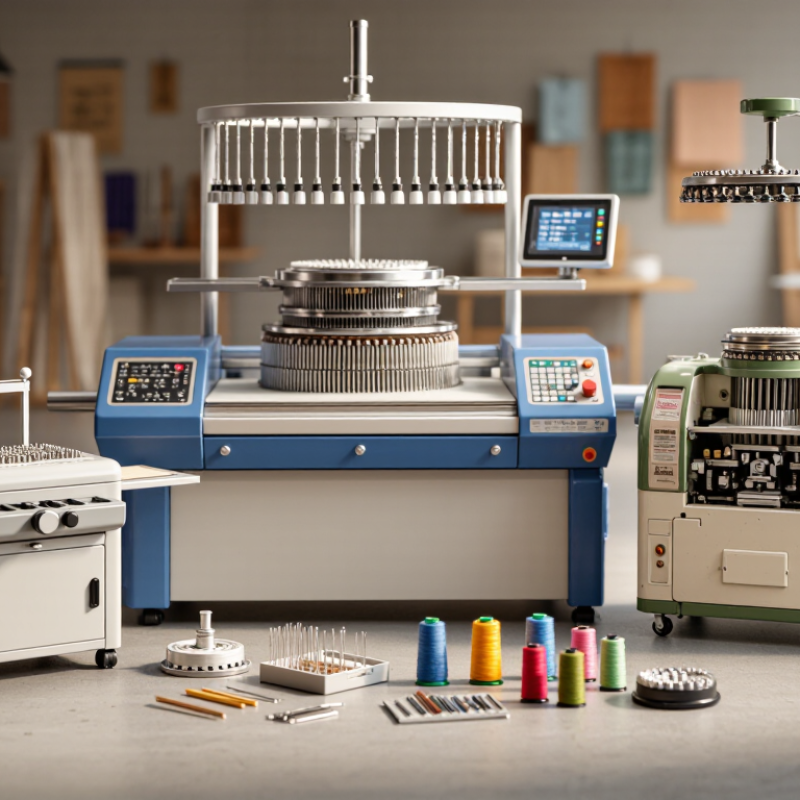
A knitting machine turns yarn into fabric through a controlled sequence of needle movements. Its needle bed holds dozens or hundreds of fine needles. A carriage moves across the bed, lifting selected needles and forming new loops. The yarn carrier then feeds yarn into those openings. Each pass creates another row, much faster than hand knitting.
Different machines use different gauges, which describe the space between needles. A fine gauge suits lightweight garments, while a coarse gauge creates thicker fabric. Some machines produce only flat panels; others form continuous tubes. The final price depends on gauge, automation, pattern controls, maintenance, and included accessories. A low-cost machine may still require considerable setup time.
I once assumed a faster carriage always meant better value. That assumption was incomplete. Needle compatibility, repair access, and operator skill can matter more than speed. Some advertised prices also exclude software, spare needles, or training. Check those details carefully.
The price of a knitting machine depends on capability, not appearance alone. A basic manual model may cost a few hundred dollars. Industrial computerized equipment can exceed 100,000 dollars. Grand View Research reports that the global knitting machine market is expanding steadily, with automation supporting long-term demand. This growth does not make every machine a good investment.
Machine gauge is a major cost factor. Fine-gauge machines need tighter engineering and often cost more. Production width, number of feeders, needle beds, and pattern capacity also affect pricing. Computerized controls increase the initial price, but they can reduce setup time and material waste.
The ITMF International Textile Machinery Shipment Statistics 2023 shows continued global demand for circular and flat knitting equipment. Demand supports advanced features, but it can also raise maintenance costs.
Used machines may appear affordable. However, worn needles, outdated software, or missing parts can create unexpected expenses. I have seen buyers focus on purchase price and overlook installation, training, electricity, and service access. That judgment is understandable, but incomplete.
Tips: Request a total-cost quotation. Include delivery, installation, spare parts, and operator training. Compare output per hour, not only the machine price. Check service records carefully. A cheaper machine is not always cheaper to operate. Also, leave room for mistakes; real production rarely matches showroom estimates.
Knitting machine prices vary widely by structure, gauge, and automation. A basic hobby machine often costs between $100 and $300. These models usually handle simple flat panels and lighter yarns. They suit beginners who want to practice without a large investment. Manual flat-bed machines commonly range from $300 to $1,500. Their price increases with needle count, build quality, and included tools.
Electronic machines require a larger budget. Entry-level models may cost $1,000 to $5,000. They can create patterns more quickly and consistently. Professional computerized machines may exceed $5,000. Some commercial systems cost over $30,000. Circular knitting machines also vary significantly. Small units may cost several hundred dollars, while industrial equipment can reach tens of thousands.
Used machines can reduce the purchase price, but condition matters more than age. Check the needle bed for bent needles, rust, and missing parts. Replacement components may be difficult to find. Accessories also affect the real cost. You may need transfer tools, weights, pattern software, maintenance supplies, and training. I once underestimated these extras and spent more than expected. That mistake still influences how I compare machines today. Price alone is not enough. A cheaper machine can become expensive when repairs and limited support are involved. Ask about warranty coverage, service access, and compatible materials before paying. Estimates remain imperfect, especially for older equipment sold privately.
The machine’s listed price is only the starting point. In my experience, buyers often underestimate the cost of essential accessories. Needles, transfer tools, weights, replacement parts, and a sturdy table can add a noticeable amount. A basic setup may need proper lighting too. Small details matter.
Yarn becomes the largest continuing expense for frequent users. Different projects require different fiber types, thicknesses, and colors. Cheap yarn can produce uneven fabric or jam the feeding system. That lesson can be frustrating. Swatching also uses yarn, but it prevents larger mistakes later. Beginners may need pattern instructions, storage boxes, and a short training course. These costs are easy to overlook.
Maintenance deserves careful attention. Dust removal, lubrication, tension adjustments, and occasional professional servicing can extend a machine’s working life. Shipping fees, import charges, and local taxes may change the final price. A used machine can seem affordable, yet missing tools or worn needles may cost more than expected. I would inspect every included part and request clear photographs before paying. Even then, my estimate might be imperfect. Set aside a repair reserve, especially when the machine’s service history is unknown. A quiet workspace, a comfortable chair, and enough storage can also affect the real investment.
Choosing a knitting machine within your budget starts with the project, not the price tag. A basic manual machine may cost around 100 to 300 dollars, while advanced electronic models can exceed 1,000 dollars. Prices vary by condition, gauge, included tools, and local supply. A low price is not always a bargain.
Think about what you will actually make. For scarves, flat panels, and occasional gifts, a simpler machine may be enough. If you plan to produce fitted sweaters, textured patterns, or frequent projects, extra functions can save time. Still, expensive features may remain unused. That is an easy mistake to make.
Leave room for hidden costs. You may need transfer tools, replacement needles, weights, a table, and suitable yarn. Some machines also require cleaning and careful storage. Used equipment can reduce the purchase price, but inspect the needle bed for bent needles and rust. Ask whether the carriage moves smoothly. Request clear photographs before paying.
Set a complete budget, not just a machine budget. For example, with 400 dollars available, spending 350 on the machine leaves little for essential accessories. A better target might be 250 dollars for equipment and 150 dollars for setup. I would also keep a small repair reserve. It may feel unnecessary until one damaged part stops the project. Compare manuals, spare-part access, warranty terms, and user support before choosing. A machine that fits your hands and workspace may be more valuable than one with impressive specifications.
© 1999-2025 The Lincoln Electric Company