Smallest Laser Cutting Machine for Efficient Global Sourcing?
The growth of the manufacturing sector has increased demands for precision and efficiency. Laser cutting technology is at the forefront of this evolution, with the "Smallest Laser Cutting Machine" gaining attention. Reports indicate that the global laser cutting market is projected to reach $6 billion by 2025, driven by advancements in miniaturization and cost-effectiveness.
These compact machines offer the ability to cut various materials with high accuracy and minimal waste. Their small size makes them ideal for smaller workshops and startups. However, challenges remain, such as the need for skilled operators and ongoing maintenance. Industry experts suggest that the optimal use of these machines requires a deep understanding of material properties and operational techniques.
While the potential for global sourcing through smaller machines is significant, companies must also assess their long-term viability. Decisions should be informed by data and clear performance metrics. Integrating the "Smallest Laser Cutting Machine" into production lines can improve efficiency. Yet, companies should reflect on the balance between investment costs and the desired output quality.
Overview of Laser Cutting Technology
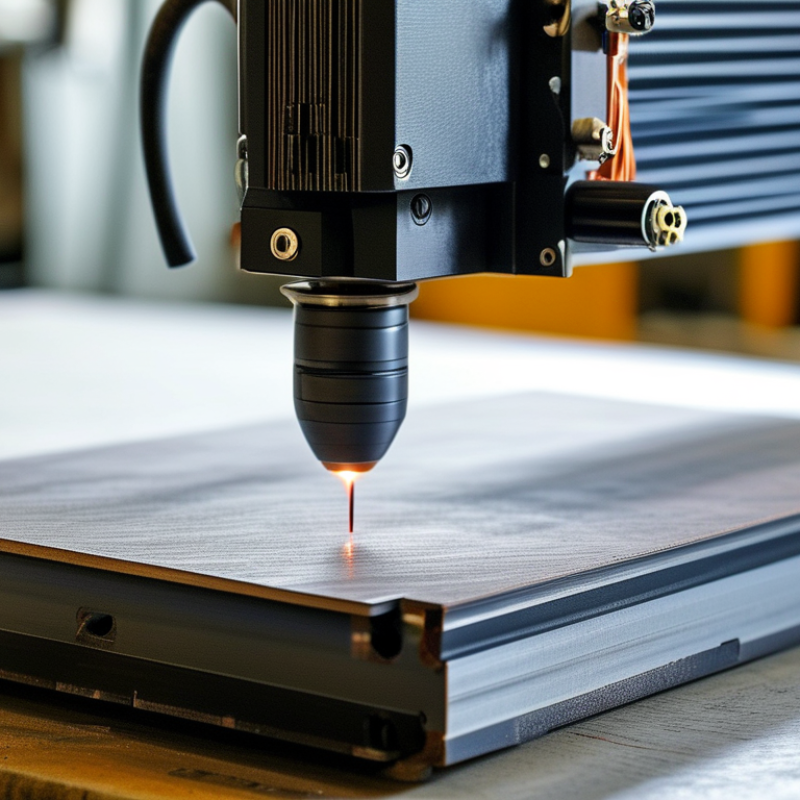
Laser cutting technology has revolutionized the manufacturing and design sectors. It offers precise cuts, which is crucial for intricate designs. This technique uses focused light beams to slice through materials like metal, wood, and plastics. The precision of laser cutting minimizes waste, enhancing material efficiency. It brings forth not only speed but also accuracy, allowing for complex shapes that traditional methods fail to match.
One notable aspect is the accessibility of this technology. Smaller laser cutting machines are now available, making it feasible for small businesses. However, these machines may have limitations in cutting thickness and speed. Users often must balance their needs with these constraints. Understanding the machine's capabilities is vital for optimizing performance. It can be frustrating to adapt designs to fit within those limitations, requiring creative solutions.
Global sourcing is becoming more streamlined with efficient laser cutting. This technology can potentially reduce lead times and costs. However, navigating the supply chain can be challenging. Variability in material quality and supplier reliability often complicates matters. Small businesses may struggle in ensuring consistent outcomes. Reflection on these issues can guide improvements in sourcing strategies and technology integration.
Benefits of Compact Laser Cutting Machines
Compact laser cutting machines are transforming the landscape of manufacturing. Their small footprint makes them an attractive choice for businesses with limited space. These machines are easy to integrate into existing workflows. This flexibility enhances operational efficiency.
The benefits extend beyond just space-saving. Small laser cutters are energy-efficient, reducing overall operational costs. They can easily manage various materials, from acrylic to wood. This versatility allows companies to expand their service offerings. However, it’s essential to assess the trade-offs. Smaller machines may have limitations in cutting thickness and speed. Weighing these factors is crucial for decision-making.
Moreover, compact machines can potentially lead to oversights in quality control. Efficiency should not compromise output quality. Manufacturers must ensure that these machines meet production standards. Continuous training for operators becomes paramount to mitigate risks. Addressing these challenges allows businesses to maximize the benefits of compact laser cutting technology.
Applications in Global Sourcing and Manufacturing
The rise of small laser cutting machines is transforming global sourcing and manufacturing. These compact devices offer precision and efficiency. They reduce material waste and streamline production processes. According to the International Federation of Robotics, laser cutting technology has increased manufacturing efficiency by up to 30%. This statistic highlights how small-scale solutions can have a big impact.
In global sourcing, these machines allow for rapid prototyping and customization. Companies can produce small batches tailored to specific markets. This flexibility is essential in today's fast-paced economy. The ability to quickly adapt to consumer demands is crucial for competitive advantage.
However, the reliance on technology also brings challenges. Not all manufacturers have access to these machines. Small businesses may find it hard to invest in such technology. There is a learning curve associated with operating laser cutting machines effectively. As the industry evolves, companies must balance innovation with practical application. Exploring these dynamics can provide deeper insights into the future of sourcing and manufacturing.
Smallest Laser Cutting Machine for Efficient Global Sourcing? - Applications in Global Sourcing and Manufacturing
| Feature | Specification | Application Area |
| Cutting Area | 300mm x 300mm | Small scale manufacturing |
| Laser Power | 30W | Personalized products |
| Material Compatibility | Acrylic, Wood, Fabric | Crafting and prototyping |
| Machine Size | 600mm x 600mm x 400mm | Compact workspaces |
| Software Compatibility | CorelDRAW, AutoCAD | Design and production |
| Weight | 25 kg | Portable applications |
| Cooling System | Air cooling | Continuous operation |
Factors to Consider When Choosing a Small Laser Cutter
When selecting a small laser cutter, various factors come into play. Size and portability are crucial. A compact machine allows for easy maneuverability. Consider its power capacity too. More power translates to faster cuts and a wider range of materials. Check the machine’s maximum cutting thickness. This can limit the types of projects you can pursue.
Another essential aspect is the software compatibility. A user-friendly interface will save you time and reduce frustration. Ensure that the laser cutter can connect seamlessly to your design programs. This integration can significantly streamline your workflow.
Tips: Look for customer reviews. Real-world feedback can reveal design flaws or strengths you might overlook. Ask about the machine's maintenance needs. A small cutter can become a hassle if upkeep is difficult. Check the availability of support services as well. Timely assistance can make all the difference.
Comparative Analysis of Leading Compact Laser Cutting Models
Compact laser cutting machines are transforming industries with their efficiency and versatility. These machines are designed to perform intricate cuts on various materials like wood, metal, and plastic. With robust technology packed into smaller frames, they are perfect for businesses with limited space. Many models are lightweight, making them easy to move and reconfigure when necessary.
While comparing compact laser cutting models, several factors stand out. Cutting speed, precision, and user-friendliness are crucial. Some models excel in speed but may lack precision in complex designs. Others provide exceptional accuracy but at a slower pace. Users might find it difficult to balance these traits, leading to reevaluation of needs and space constraints.
Another aspect worth examining is the cost of ownership. Maintenance requirements and operational costs can vary greatly. Potential buyers should consider these factors carefully. Investing in the wrong model based on initial features could lead to regrets down the line. Reflecting on the trade-offs between initial cost and long-term functionality can also shape better purchasing decisions.