Robotic Welding Cells Tips for Boosting Production Efficiency?
In the fast-evolving landscape of manufacturing, robotic welding cells have become essential for enhancing production efficiency. John Smith, a leading expert in automation technology, once stated, "Embracing robotic welding cells can significantly reduce labor costs and improve precision." This insight underscores the transformative potential of automation in welding applications.
Robotic welding cells automate the welding process, allowing for consistent quality and speed. Yet, many companies face challenges in fully optimizing these systems. Factors such as inadequate training and poor maintenance can lead to underperformance. It's crucial to identify these gaps to harness the true power of robotic welding cells.
Implementing best practices, like regular system audits and employee training, can elevate operational efficiency. Companies often overlook these aspects, risking profitability. By investing time and resources in these areas, manufacturers can significantly boost productivity and ensure reliable outputs with their robotic systems.
Understanding Robotic Welding Cells and Their Functions
Robotic welding cells have revolutionized manufacturing processes. These systems are designed to automate welding tasks, enhancing productivity and ensuring consistent quality. In 2022, the global robotic welding market was valued at approximately $4.2 billion and is projected to grow significantly by 2028. Such growth underscores the increasing reliance on automation in industries.
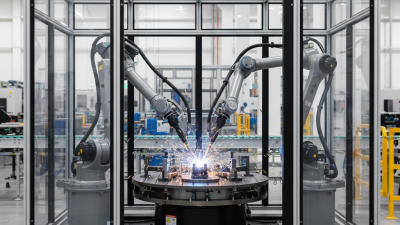
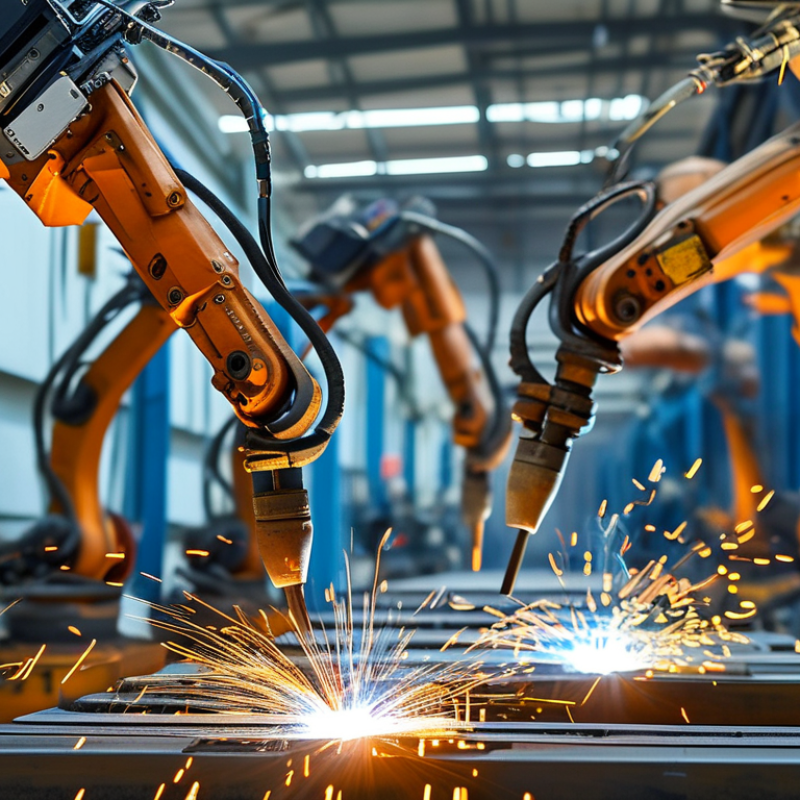
Robotic welding cells typically consist of robotic arms, welding equipment, and an integrated control system. These components work together seamlessly. They provide precision and efficiency that manual welding cannot match. A report by Technavio indicates that automation can improve production rates by up to 30%. This efficiency is crucial in competitive markets where even small delays can impact profitability.
However, integrating robotic welding cells is not without challenges. Initial setup costs can be high, and training staff to operate these systems requires time and resources. Additionally, some companies may find their production requirements do not justify the investment. Despite potential hurdles, the benefits of increased accuracy and reduced cycle times are significant. Continuous evaluation and adaptation of these systems are essential for realizing optimal production efficiency.
Key Factors in Optimizing Robotic Welding Cell Layout
Optimizing the layout of robotic welding cells is crucial for enhancing production efficiency. A well-organized workspace reduces downtime and maximizes throughput. One key factor is the placement of welding robots. Position them to minimize movement and increase accessibility to materials. This not only speeds up the welding process but also ensures smoother material handling.
Another aspect to consider is the workflow. Analyze the operation sequences and ensure a logical flow that prevents bottlenecks. Tools and materials should be within arm’s reach of the robot. If equipment is too far away, operators can waste precious seconds retrieving items. Regularly reviewing layout arrangements helps identify inefficiencies and areas for improvement.
Finally, don’t overlook safety measures. Ensure that the welding cell design promotes a safe working environment. Incorporating barriers or signage can help prevent accidents. Regular assessments and updates of safety protocols ensure compliance and protect workers over time. Balancing efficiency with safety is a continual challenge that requires reflection and adjustment.
Best Practices for Programming Robotic Welding Systems
Effective programming of robotic welding systems is crucial for enhancing production efficiency. According to a report by the International Federation of Robotics, automated welding can boost productivity by 30 to 50%. This significant improvement is largely due to reduced cycle times and increased consistency in weld quality. Optimizing the programming process can further maximize these benefits.
Using modular programming techniques allows for quicker adjustments and scaling. This flexibility enables manufacturers to adapt to varying production volumes without a complete overhaul of their systems. Additionally, incorporating simulation software can help identify potential issues before they arise on the shop floor. Data from industry studies indicates that pre-simulating tasks can reduce setup time by 25%. However, it is essential to regularly update these simulations based on actual performance data to ensure continued efficiency.
Engaging operators in the programming process can lead to innovative solutions. Employees often have valuable insights into daily operations that may not be captured in standard programming. This collaboration can strengthen the relationship between technology and the workforce. It also allows for human oversight, which is critical in maintaining adaptability and problem-solving capabilities. Ultimately, refining programming practices requires ongoing evaluation and willingness to embrace change.
Maintenance Strategies for Enhanced Robotic Welding Efficiency
Effective maintenance strategies are vital for enhancing robotic welding efficiency. Regular inspections can reveal hidden issues. Checking the alignment of robotic arms must become routine. Misalignments lead to poor weld quality. It’s crucial to ensure that robots operate within their specified ranges. This helps avoid unnecessary wear and tear on components.
Another important aspect is the cleaning of welding equipment. Contaminants can significantly affect weld performance. Daily cleaning may seem excessive, but it can save time and money. Regular maintenance not only extends the life of the equipment but also improves overall product quality.
Train staff to monitor performance metrics continuously. This data is invaluable. Identifying trends in robotic function can help prevent breakdowns before they occur. Encouraging an open dialogue about machine performance is also key. Workers often spot issues that go unnoticed. Consider creating a culture where feedback is welcomed and acted upon. This can lead to continuous improvement in processes.
Robotic Welding Efficiency Comparison
This bar chart displays the production units achieved using robotic welding cells over a five-week period. The data indicates a consistent increase in output, particularly in Week 5 where the production peaked at 320 units, demonstrating enhanced efficiency in the robotic welding process.
Evaluating and Integrating New Technologies in Welding Cells
When integrating new technologies into robotic welding cells, it is crucial to evaluate their impact on production efficiency. In 2022, a survey from the American Welding Society indicated that manufacturers who adopted automation saw production rates increase by up to 30%. This significant boost is attributed to reduced cycle times and increased consistency in weld quality. However, the initial investment can be daunting; companies must weigh this against potential long-term gains.
Training staff is another vital aspect. Skill gaps can hinder technology integration. A report from the National Institute for Metalworking Skills found that 60% of companies faced challenges in integrating new welding technologies due to insufficient training. Investing in workforce development can enhance employee confidence and productivity. Furthermore, continuous feedback loops from welding operators ensure that technology evolves to meet real-world applications.
Technology integration isn't just about purchasing the latest models. It requires careful analysis of workflows and processes. Sometimes, older systems can outperform new technologies if better configured. Companies must regularly assess their systems for alignment with production goals. A misaligned technology can lead to inefficiencies, creating more issues than it solves. Embracing new technologies while addressing these challenges leads to balanced improvements in the welding process.