
Top Industrial Automation Solutions for Global Buyers?
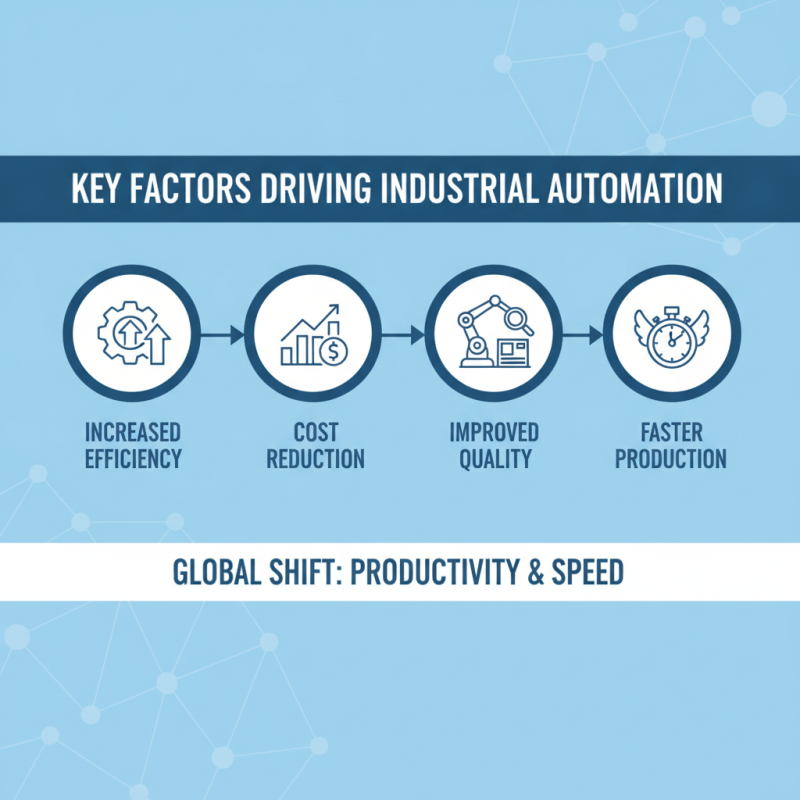
In today's fast-paced industrial landscape, the demand for efficient production is paramount. Companies are seeking cutting-edge industrial automation solutions that enhance productivity and streamline operations. These solutions not only boost efficiency but also reduce human error, leading to higher quality outputs.
Understanding these technologies is vital for global buyers. Diverse options exist, ranging from robotics to advanced software systems. However, navigating this complex market can be daunting. Many businesses struggle to identify the right automation strategies for their unique needs.
Choosing the right industrial automation solutions requires careful consideration. Factors such as scalability, ease of integration, and supplier reliability are crucial. Buyers must reflect on their long-term goals and potential challenges. Ultimately, making informed decisions will drive operational success in this competitive environment.
Overview of Industrial Automation Solutions in the Global Market
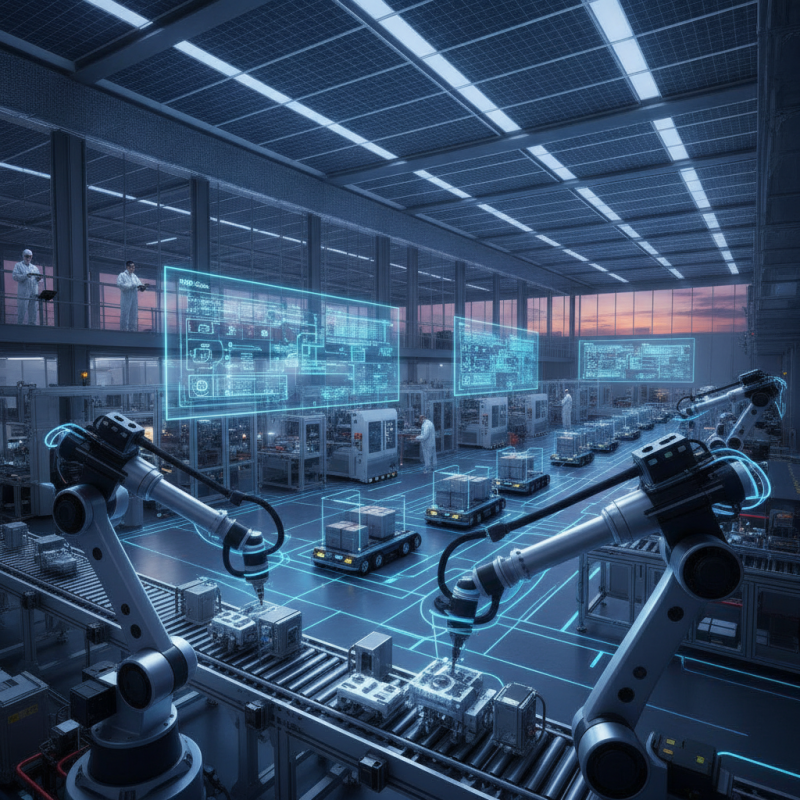
The global market for industrial automation is rapidly evolving. This transformation is driven by advancements in technology and the increasing demand for efficiency. Companies are investing in solutions that offer real-time data analytics and machine learning capabilities. These innovations help optimize production processes and reduce operational costs.
Automation solutions can vary. Some focus on robotics, while others emphasize process control or manufacturing execution systems. Each of these areas has unique benefits and challenges. For instance, integrating new technologies can be complex. Businesses might face resistance from employees who fear job displacement. Additionally, outdated systems can hinder the implementation of new solutions.
It is crucial for global buyers to assess their specific needs. Understanding the existing infrastructure is vital before making any automation investments. A tailored approach can lead to better outcomes. Regular evaluation of technology and processes ensures that changes align with business goals. This requires continuous learning and adaptation. Embracing these challenges can ultimately lead to greater success in the competitive industrial landscape.
Top Industrial Automation Solutions for Global Buyers
| Solution Type | Description | Application Areas | Market Trends | Key Benefits |
|---|---|---|---|---|
| Robotic Process Automation (RPA) | Automates routine tasks through software robots. | Manufacturing, Healthcare, Finance | Increasing adoption in SMEs, AI integration | Cost reduction, efficiency improvements |
| Industrial IoT (IIoT) | Connects machines and devices to the internet for data exchange. | Supply Chain, Predictive Maintenance | Focus on real-time data analytics, security concerns | Enhanced monitoring, real-time insights |
| Programmable Logic Controllers (PLC) | Industrial computers used to control manufacturing processes. | Automotive, Food Processing, Textiles | Shift towards modular and scalable solutions | Reliability, flexibility in operations |
| Supervisory Control and Data Acquisition (SCADA) | System for remote monitoring and control of industrial processes. | Utilities, Oil and Gas, Water Treatment | Integration of cloud solutions, mobile access | Increased operational efficiency, improved safety |
| Manufacturing Execution Systems (MES) | Manages and monitors work-in-process on a factory floor. | Discrete Manufacturing, Batch Processing | Emphasis on real-time data collection, IoT integration | Improved product quality, detailed tracking |
Related Posts
-

Top Industrial Automation Solutions Driving 2026 Innovations?
-
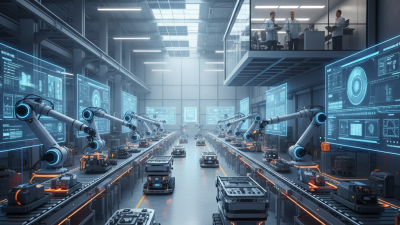
How to Choose the Best Industrial Automation Solutions for Your Business Needs
-
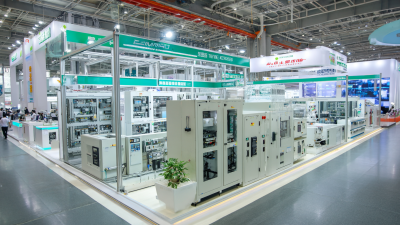
Unlocking Growth: Industrial Automation Solutions at China's 138th Canton Fair 2025
-
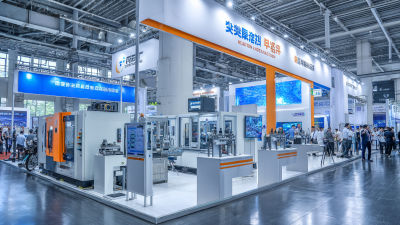
Exploring Industrial Automation Solutions at the 2025 China Import and Export Fair with Key Industry Insights
-
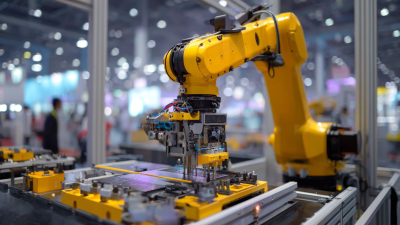
Exploring Industrial Automation Solutions at the 138th Canton Fair 2025 Insights and Innovations
-
Top 10 Industrial Automation Solutions in China for Global Buyers?