Top Piston Fillers for Efficient Packaging Solutions?
In the realm of packaging solutions, efficiency is key. Piston Fillers stand out as a reliable choice for various industries. These innovative machines offer precision and speed, crucial for meeting high demand.
Implementing a piston filler can significantly reduce product waste. Their design ensures consistent fill levels, minimizing spills and inaccuracies. Businesses often seek efficiency, yet they also face challenges in maintenance. Regular care is needed to keep these machines running smoothly.
Investing in a piston filler can transform production lines. However, it’s essential to assess your specific needs. A perfect solution may not exist for every scenario. As industries evolve, so do the technologies. Evaluating different models will help in finding the right balance between efficiency and reliability.
Understanding Piston Fillers: Definition and Functionality
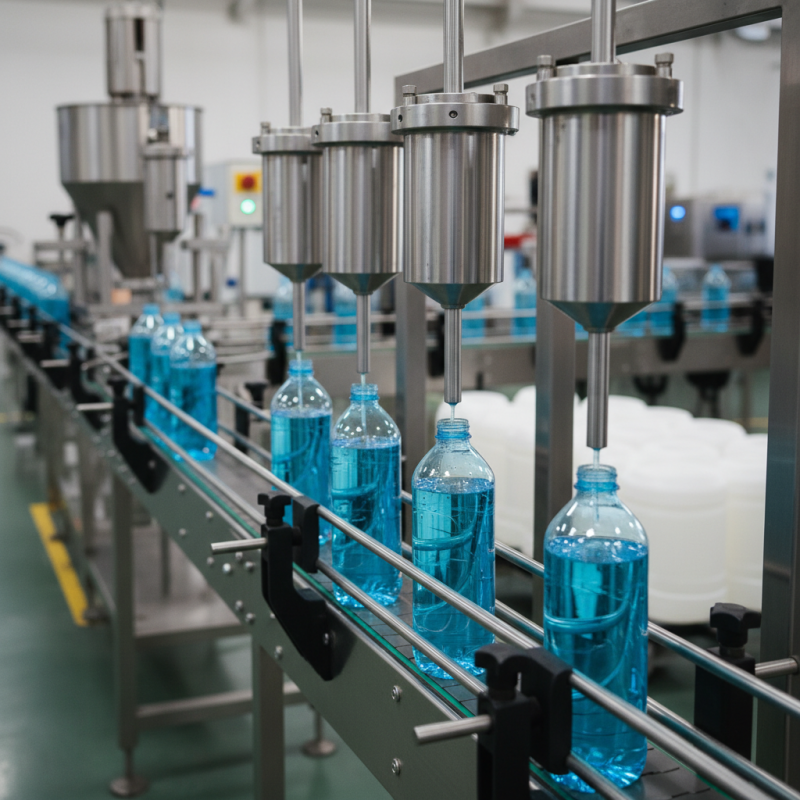
Piston fillers are vital tools in packaging processes, particularly for liquids and pastes. These devices employ a piston mechanism to accurately dispense specific volumes. They are widely used in sectors like food, pharmaceuticals, and cosmetics. According to industry reports, the global demand for piston fillers is projected to grow by 5.7% annually, driven by the need for high efficiency in packaging operations.
Understanding how piston fillers work is essential for optimizing productivity. The filling process begins as the piston retracts, creating a vacuum that draws liquid into the cylinder. When the piston is pushed forward, the liquid is dispensed into the container. This method ensures precision and minimizes waste, with filling accuracy often exceeding 99%. However, proper calibration is crucial; inconsistent results can arise from poor maintenance or incorrect setup.
Tip: Regularly check your piston filler for wear and tear to maintain accuracy. Frequent inspections can prevent costly errors during production. Also, ensure that your filling environment is free from contaminants, which can compromise product integrity.
In any packaging environment, efficiency is key. Piston fillers can achieve high throughput rates, but operational challenges may occur. Temperature fluctuations can affect the viscosity of certain liquids, leading to inaccurate fills. Addressing these variables is necessary for consistent performance. Understanding the intricacies of piston fillers ultimately contributes to better packaging solutions and operational success.
Key Advantages of Using Piston Fillers in Packaging
Piston fillers have become a popular choice in the packaging industry. Their design allows for precise volume control, making them ideal for products with varying viscosities. These fillers can handle both thick pastes and thin liquids efficiently. This versatility significantly reduces production downtime, enabling manufacturers to switch products without extensive reconfiguration.
One of the key advantages of piston fillers is their accuracy. They minimize wasted product, ensuring that every ounce is used effectively. This not only saves money but also reduces environmental impact. Additionally, the robust construction of piston fillers means they can withstand heavy use in production lines. However, maintenance is crucial. Neglecting regular checks can lead to performance issues.
Flexibility is another strong suit of piston fillers. They can be adapted to different packaging sizes and shapes. This adaptability can be a double-edged sword. While it allows for diverse product offerings, it may complicate training for operators. Striking a balance between efficiency and user-friendliness is essential for optimal results in packaging operations.
Types of Piston Fillers: A Comprehensive Overview
Piston fillers are essential in various industries, from food to pharmaceuticals. They offer precision and efficiency in packaging. Different types of piston fillers cater to diverse applications, each with unique advantages.
Volumetric piston fillers measure product volume accurately. They are ideal for thick liquids. According to a recent industry report, these fillers can increase production rates by up to 30%. This increase is crucial for companies aiming to enhance output while maintaining accuracy.
Time-pressure piston fillers work differently. They rely on pressure, making them suitable for thin liquids or foams. These fillers are generally easier to clean. However, they may experience variability in fill volumes under changing conditions.
Tip: Selecting the right type of piston filler is vital for optimizing your packaging line. Evaluate your product's viscosity and desired accuracy. Proper maintenance of these machines ensures consistent performance and longevity.
Keep in mind that not all piston fillers are created equal. Some models may struggle with higher viscosity products, leading to inefficiencies. Understanding the limitations of each type is essential for effective operation.
Factors to Consider When Choosing a Piston Filler
When selecting a piston filler for efficient packaging, several key factors come into play. Understanding the material viscosity is crucial. Thicker liquids may require a different type of filling mechanism. For instance, if you’re working with creamy products, a filler designed for high viscosity will be necessary. This ensures accuracy and reduces waste.
Consistency in product weight is another important consideration. Inconsistent fills can lead to customer dissatisfaction. Check for a filler that offers precision. Additionally, the ability to handle various container sizes enhances versatility. This can save time and reduce the need for multiple machines.
Another aspect is maintenance. Some models may require frequent servicing, which can disrupt production. A filler that allows easy cleaning and minimal downtime is ideal. Don’t overlook the need for proper training. Staff should be familiar with operation and troubleshooting techniques. A well-trained team can significantly improve efficiency.
Maintenance and Troubleshooting Tips for Piston Fillers
Piston fillers are vital in the packaging industry for their efficiency and precision. However, like any machinery, they require regular maintenance to operate optimally. According to recent industry reports, ineffective maintenance can lead to a 30% increase in downtime. This statistic underscores the significance of preventative measures.
Inspect the seals regularly. Worn seals can cause product leakage, affecting both the efficiency and integrity of the fill. Clean the filler components frequently to prevent buildup that can impair functionality. Neglected maintenance can also result in increased product waste and inconsistent fill volumes.
Consider conducting weekly inspections. Look for any signs of wear in critical components. Ensure calibration is accurate to maintain fill consistency. A study found that miscalibrated fillers can lead to a 15% variance in filling accuracy, which can impact customer satisfaction. Address troubleshooting issues immediately to avoid compounding problems. Regularly reviewing your maintenance schedule can help in early detection of potential issues before they escalate.