
Choosing among the top 10 types of robotic systems requires more than comparing prices and payloads. Global buyers must examine production goals, workplace conditions, service access, and long-term operating costs. A robot moving 20-kilogram cartons needs different capabilities from one placing tiny electronic components. The difference appears on the factory floor.
This guide introduces industrial arms, collaborative robots, mobile robots, autonomous guided vehicles, palletizing robots, welding systems, delta robots, SCARA robots, inspection robots, and specialized warehouse platforms. Each category serves a distinct purpose. Some deliver speed. Others improve flexibility or reduce repetitive strain. A few seem attractive until integration costs become clear.
Real purchasing decisions depend on evidence. Buyers should review cycle-time tests, safety documentation, software compatibility, maintenance records, and customer references. Regional support also matters. A technically excellent machine can become a poor investment when spare parts take weeks to arrive. That detail is often underestimated.
Reliable suppliers explain limitations as clearly as benefits. They identify installation requirements, operator training needs, energy consumption, and expected downtime. Independent certification and transparent warranty terms provide additional confidence, although certification alone does not guarantee suitability. Practical trials remain valuable.
There is no universal winner.
This overview is designed to help procurement teams ask better questions before requesting quotations. The ranking may change by industry, budget, factory size, and local standards. That is a weakness worth acknowledging, not hiding. Careful comparison can still reveal which robotic systems offer measurable value, safer workflows, and realistic growth potential for buyers across global markets.
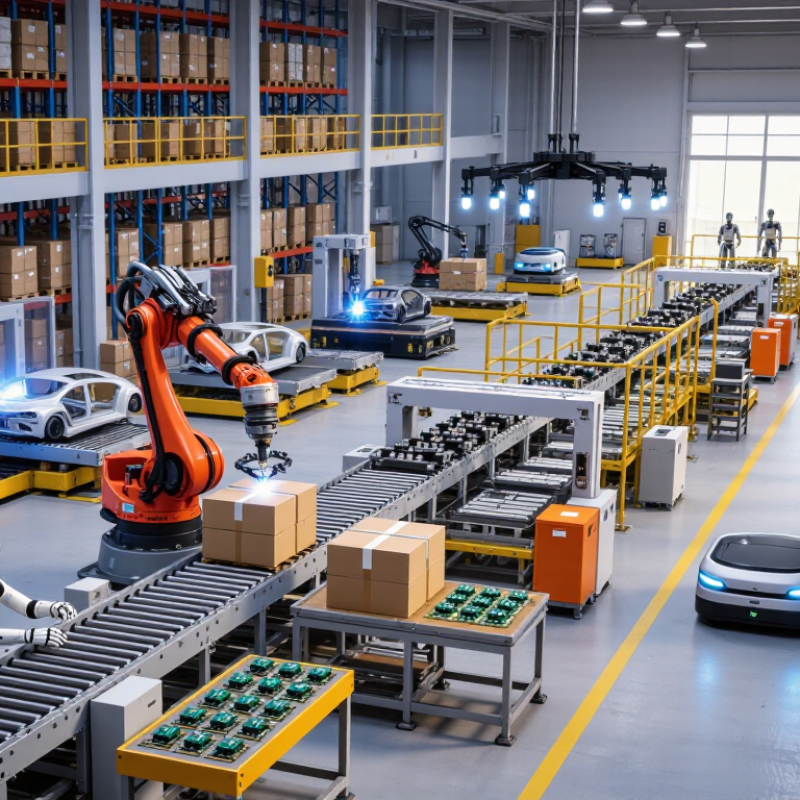
In the global marketplace, a robotic system is more than a programmable arm. ISO 8373 defines robots through autonomy, sensing, control, and movement. A buyer should evaluate the complete working cell: robot, end effector, sensors, controller, software, guarding, and human interface. This definition covers ten common categories, including industrial arms, collaborative robots, mobile units, logistics vehicles, medical platforms, agricultural machines, inspection robots, underwater systems, cleaning robots, and service robots.
The International Federation of Robotics reported 541,302 industrial robot installations worldwide in 2023, with operational stock exceeding 4.28 million units. That volume shows demand, not automatic suitability. Global buyers should compare systems by task, environment, integration, safety, and lifecycle support. A warehouse vehicle needs reliable localization, fleet control, and obstacle detection. A food-processing robot needs washdown resistance, hygienic design, and traceable maintenance. A collaborative unit requires validated force limits and risk assessment, not merely low speed.
The same federation’s World Robotics 2024 report recorded almost 205,000 professional service robots sold in 2023. The figure includes diverse applications, so it is not a universal adoption benchmark. Procurement teams often overvalue payload and cycle time. They may overlook cybersecurity, spare parts, training, and local compliance. That is where a promising demonstration can become an expensive operational gap. No classification is perfect. Evidence may still be incomplete, and buyers should document that weakness rather than hide it.
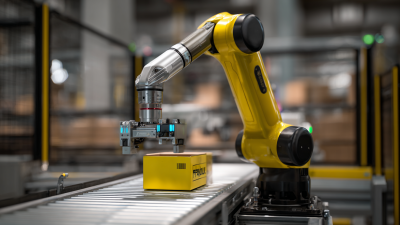
Industrial Robotics Industrial robots support manufacturing lines where repeatability, speed, and controlled movement matter. Global buyers often compare articulated, SCARA, Cartesian, delta, collaborative, and mobile robotic systems. Each design suits a different production problem. Articulated robots handle welding, machine tending, and complex assembly. SCARA robots place small components quickly, often around electronics or precision workstations. Cartesian systems offer simple, accurate movement across fixed rails.
Material handling needs a different assessment. Palletizing robots move cartons, bags, or containers with consistent reach and load control. Autonomous mobile robots can transport parts between storage and production areas. Vision-guided robots locate irregular items before picking them. In practice, floor space, payload, cycle time, and workplace layout influence the correct choice more than popularity. A short cycle time is useless if workers wait for replenishment.
Assembly applications require careful end-effector design. Grippers must match part weight, surface texture, and tolerance. Force sensing can protect delicate components during insertion. Safety scanners, guarded zones, and validated operating procedures remain essential. I have seen projects focus heavily on robot speed while underestimating fixture accuracy and maintenance access. That mistake becomes expensive. A reliable system also needs spare-part planning, operator training, and clear performance records. Buyers should test representative parts before approving full-scale deployment. Real production is rarely as clean as a demonstration cell.
Global buyers now evaluate robotic systems by operational flexibility, not impressive demonstrations. Mobile robots transport totes, tools, and supplies across changing work areas. Autonomous mobile robots use sensors, maps, and software to select routes independently. Small aisles matter. Autonomous guided vehicles remain useful when routes stay fixed and predictable. Autonomous forklifts can move pallet loads while reducing repetitive driving.
Collaborative robots work beside trained employees during assembly, packing, inspection, and machine tending. Their force sensing helps detect unexpected contact and adjust motion. Mobile manipulators combine a moving platform with an articulated arm. They can collect parts from different stations, although grasping irregular objects remains difficult. Remote inspection robots support routine checks in large facilities, especially where access is inconvenient. The ten common system types often overlap, so buyers should compare actual tasks rather than labels.
A practical evaluation starts with payload, cycle time, floor conditions, battery charging, and network coverage. Measure these details during a controlled pilot. A robot that performs well for two hours may struggle across a full shift. Integration with existing software also deserves close attention. Safety zones, operator training, maintenance access, and local compliance requirements should be documented before deployment. Lower purchase cost can hide expensive integration work. Some pilots fail. That failure can reveal poor workflows, weak data, or unrealistic performance targets before a larger investment.
Top 10 Types of Robotic Systems for Global Buyers?
Service robots now extend far beyond factory floors. The International Federation of Robotics reported nearly 205,000 professional service robots sold in 2023, a 30% annual increase. Global buyers commonly evaluate autonomous mobile robots, delivery robots, cleaning robots, inspection robots, and hospitality systems. These machines move through warehouses, corridors, hotels, and public facilities. However, navigation may weaken in crowded spaces or poor lighting. A practical site trial matters more than an impressive demonstration.
Medical robotic systems include surgical assistance, rehabilitation, diagnostics, and hospital logistics. According to the IFR World Robotics 2024 report, medical robot sales increased by about 36% in 2023, reaching roughly 16,700 units. Buyers should examine sterilization procedures, training requirements, maintenance access, and clinical evidence. Agricultural systems support crop monitoring, precision spraying, harvesting, milking, and autonomous field operations. The Food and Agriculture Organization continues to emphasize digital agriculture for improving productivity and resource efficiency. Yet uneven terrain, dust, rain, and weak connectivity can reduce reliability.
Domestic robots cover vacuuming, lawn care, window cleaning, elder assistance, and household security. The IFR reported almost 11.6 million consumer service robots sold in 2023, with domestic task robots forming the largest segment. Useful details include battery life, noise levels, obstacle handling, repair networks, and data protection. Low purchase prices can hide expensive replacement parts. Buyers should also question whether automation truly saves labor in their homes or farms. Some pilots fail. That lesson is valuable.
| No. | Robotic System Type | Primary Sector | Typical Applications | Operating Environment | Core Technologies | Typical Payload or Working Capacity | Autonomy Level | Human Interaction | Key Buyer Considerations |
|---|---|---|---|---|---|---|---|---|---|
| 1 | Autonomous Mobile Robots (AMRs) | ServiceLogistics | Material transport, warehouse picking support, inventory movement, hospital supply delivery, and internal logistics. | Warehouses, factories, hospitals, hotels, and other mapped indoor facilities. | LiDAR, cameras, ultrasonic sensors, simultaneous localization and mapping, fleet software, and obstacle avoidance. | Common commercial configurations carry approximately 100–1,500 kg, depending on platform design. | High for navigation and routing; human supervision is normally retained for exceptions and system management. | Designed to share spaces with workers and pedestrians at controlled speeds. | Check floor conditions, lift and door integration, Wi-Fi coverage, fleet interoperability, safety zoning, and charging requirements. |
| 2 | Autonomous Delivery Robots | ServiceLast-Mile | Delivery of meals, groceries, parcels, medicines, and other small items over short urban or campus routes. | Sidewalks, private campuses, residential communities, and controlled public areas. | GPS or GNSS, cameras, LiDAR, remote-assistance software, geofencing, and secure storage compartments. | Usually suitable for small consignments, commonly from several kilograms up to roughly 50 kg. | High on predefined routes; remote support may be used for unusual obstacles or traffic situations. | Requires safe interaction with pedestrians, cyclists, doors, crossings, and service staff. | Review local sidewalk regulations, weather tolerance, accessibility rules, remote-operator procedures, and delivery security. |
| 3 | Professional Cleaning Robots | ServiceFacilities | Floor scrubbing, vacuuming, sweeping, carpet cleaning, and routine maintenance of large indoor areas. | Shopping centers, airports, offices, hospitals, hotels, and industrial buildings. | LiDAR, cameras, floor-condition sensors, autonomous route planning, water management, and docking stations. | Cleaning width and tank capacity vary widely; commercial units commonly operate for several hours per charge or fill cycle. | Medium to high; staff typically manage consumables, maintenance, edge areas, and exception handling. | Must operate safely near visitors, staff, furniture, wet floors, and temporary obstacles. | Compare cleaning performance, noise level, battery replacement, docking needs, detergent compatibility, and service access. |
| 4 | Social, Reception, and Telepresence Robots | ServiceEducation | Reception, wayfinding, visitor information, remote meetings, education support, and basic customer engagement. | Hotels, museums, offices, schools, hospitals, exhibitions, and public buildings. | Touchscreens, microphones, speakers, cameras, speech interfaces, navigation software, and video communication. | Usually carries little or no physical payload; the main function is information exchange and remote presence. | Medium; conversational and navigation functions can be automated, while complex interactions need human support. | Direct and frequent interaction with visitors; accessibility and privacy design are essential. | Assess language support, accessibility, data protection, content management, network security, and staff adoption. |
| 5 | Surgical Robotic Systems | MedicalHealthcare | Robot-assisted minimally invasive procedures, precision instrument positioning, and surgeon-controlled manipulation. | Operating rooms and regulated clinical environments. | Surgeon consoles, articulated instruments, high-resolution imaging, motion scaling, tremor filtering, and sterile accessories. | Uses specialized surgical instruments rather than conventional cargo payloads; allowable loads depend on the approved system and procedure. | Supervised or surgeon-controlled; commercially established systems generally do not independently decide or perform a complete procedure. | Human control is central, with trained clinical teams responsible for patient care and system operation. | Verify regulatory clearance in the target market, clinical training, sterile workflow, consumables, service contracts, and hospital integration. |
| 6 | Rehabilitation and Assistive Robots | MedicalRehabilitation | Gait training, upper-limb therapy, physical assistance, mobility support, and repetitive therapeutic exercises. | Hospitals, rehabilitation centers, clinics, and selected home-care environments. | Force and position sensors, adjustable actuators, user interfaces, gait analysis, motion tracking, and therapy data software. | Supports or applies controlled forces to a patient; limits are defined by device design, patient assessment, and clinical protocols. | Assisted or supervised autonomy; therapists set treatment parameters and monitor patient response. | Close physical contact with users requires careful fitting, emergency stops, and individualized clinical oversight. | Consider clinical evidence, patient eligibility, therapist training, hygiene, adjustment range, and reimbursement conditions. |
| 7 | Precision Agriculture Robots | AgriculturalOutdoor | Crop monitoring, targeted weeding, precision spraying, soil inspection, seeding support, and field data collection. | Open fields, orchards, vineyards, greenhouses, and uneven outdoor terrain. | GNSS or RTK positioning, machine vision, multispectral imaging, soil sensors, robotic manipulators, and farm-management software. | Working capacity is measured by field coverage, row spacing, implement width, tank size, or tool load rather than a single standard payload. | Medium to high for navigation and repetitive tasks; agronomists or operators normally approve missions and interventions. | May work near farm workers, vehicles, livestock, and other machinery; clear operating procedures are required. | Evaluate crop compatibility, terrain, soil moisture, weather resilience, connectivity, chemical regulations, and data ownership. |
| 8 | Harvesting and Crop-Handling Robots | AgriculturalFood Production | Fruit and vegetable detection, selective picking, grading, packing, and movement of harvested produce. | Greenhouses, orchards, vineyards, packing areas, and controlled agricultural facilities. | Machine vision, depth cameras, soft grippers, robotic arms, crop-detection algorithms, conveyors, and quality inspection systems. | Often handles individual items or small batches; capacity depends on crop size, fragility, reach, and cycle time. | Medium; harvesting decisions may be automated, but supervision is often needed for crop variability and blocked paths. | May operate alongside seasonal workers, so guarding, speed limits, and predictable motion are important. | Compare performance by crop and season, gentle handling, sanitation, maintenance in dusty environments, and labor workflow compatibility. |
| 9 | Domestic Floor-Care Robots | DomesticConsumer | Vacuuming, mopping, room mapping, scheduled cleaning, and automatic return to a charging or service station. | Homes and small residential spaces with hard floors, carpets, furniture, and thresholds. | Cameras or LiDAR, cliff sensors, bump sensors, room mapping, app control, brushes, suction systems, and docking stations. | Designed for household dust, debris, and cleaning liquids; dustbin and water-tank sizes are typically limited to compact domestic use. | High for routine navigation and cleaning, with user intervention for tangled objects, stairs, thresholds, or maintenance. | Operates around residents, children, pets, furniture, and household objects. | Check mapping privacy, obstacle recognition, battery life, replacement parts, noise, floor compatibility, and app support. |
| 10 | Domestic Lawn and Garden Robots | DomesticOutdoor | Automatic lawn mowing, scheduled grass maintenance, boundary management, and return-to-charging operation. | Private gardens and residential lawns with defined boundaries and manageable slopes. | Boundary wire or satellite positioning, obstacle sensors, wheel motors, cutting systems, rain detection, and scheduling software. | Coverage is commonly specified by lawn area and slope capability rather than transported payload. | High for scheduled mowing within configured boundaries; users remain responsible for setup and safety checks. | Must detect or avoid people, pets, toys, garden furniture, and unexpected objects. | Review lawn size, slope limits, boundary setup, weather resistance, blade safety, theft protection, and local noise requirements. |
Top 10 Types of Robotic Systems for Global Buyers
Key Criteria for Comparing Robotic Systems Across International Markets
Global buyers may compare articulated arms, collaborative robots, SCARA units, delta robots, Cartesian systems, gantry machines, mobile robots, autonomous mobile robots, guided vehicles, and inspection robots. Each type serves different work. A delta robot may move small packages quickly, while a gantry system handles heavier loads across a fixed area.
Performance data needs practical context. Check payload, reach, repeatability, cycle time, floor space, and operating temperature. A machine rated for 20 kilograms may perform differently at full extension. Ask suppliers for tested results, not only brochure figures. Watch a live demonstration with your material, packaging, and production speed. Context matters.
International comparison also requires checking voltage, network compatibility, safety documentation, language support, spare-part access, and local service capability. Confirm whether technicians can respond within days or weeks. Review maintenance intervals and training requirements. A low purchase price can become expensive after shipping, customs, integration, and downtime. Regional safety rules may also change the required guarding or emergency systems. Test it locally.
Experience shows that integration quality often affects results more than the robot’s headline specifications. Request references from similar factories and examine documented uptime. Still, no comparison is perfect. Production conditions change, operators make mistakes, and early estimates can be optimistic. A careful buyer should leave room for pilot testing, revised assumptions, and measurable acceptance criteria.
© 1999-2025 The Lincoln Electric Company