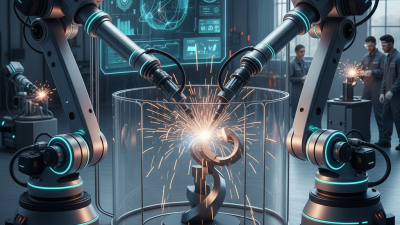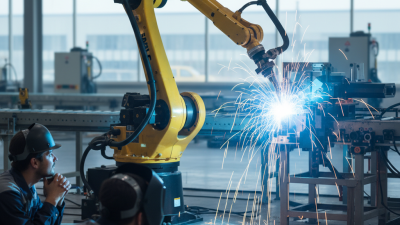

As automation continues to redefine industries, robotic welding is emerging as a game-changer. A study by Grand View Research highlights a projected compound annual growth rate (CAGR) of 11.9% in the global robotic welding market from 2021 to 2028. This surge creates a growing demand for skilled professionals. Therefore, enrolling in a robotic welding course can be a strategic career move.
These courses provide essential training in advanced technologies. Participants will learn how to operate, program, and maintain robotic welding systems. According to the American Welding Society, approximately 40% of welders are expected to retire in the next decade. This reality amplifies the need for new talents in the field.
However, not all programs are created equal. It's important to research and choose a course that fits individual needs. Some programs may focus excessively on theory, neglecting hands-on experience. Balancing both aspects is crucial for effective learning. As the industry advances, continuous education through robotic welding courses is vital for staying relevant and competitive.
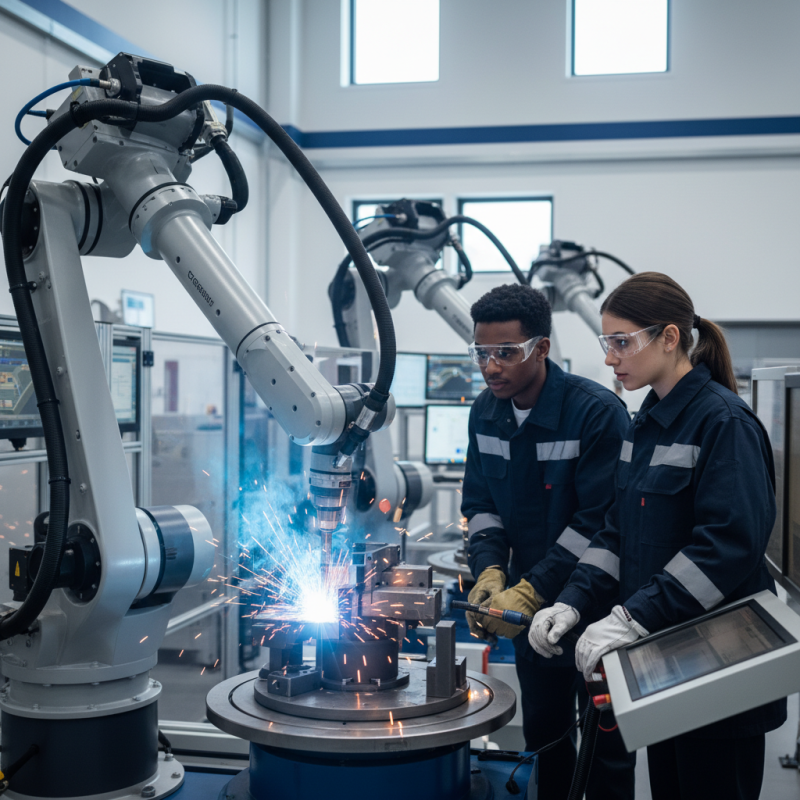
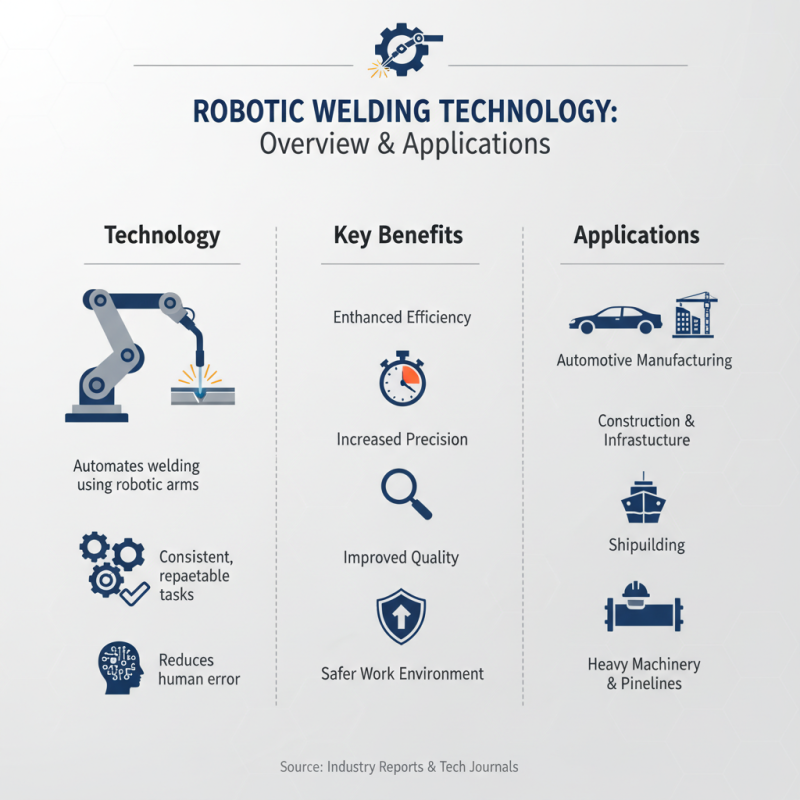
Robotic welding technology has rapidly evolved, transforming industries by enhancing efficiency and precision. This technology automates the welding process using robotic arms. These machines can perform tasks consistently, reducing human error. In sectors like automotive and construction, robotic welding has become indispensable.
The applications of robotic welding are vast. It excels in high-volume production scenarios where speed is critical. Automating the process minimizes the exposure of workers to hazardous environments. Improving safety is a significant advantage. However, there's a learning curve involved in mastering this technology. Workers need to acquire specific skills to operate these systems effectively. The initial investment for robotic welding equipment can also be daunting.
As industries embrace automation, ongoing training becomes crucial. The landscape of robotic welding continues to change. Companies must adapt and innovate to stay competitive. The balance between automation and skilled labor needs careful consideration. This evolution poses challenges, yet it offers immense potential for growth and improvement in manufacturing processes.
When selecting the best robotic welding courses, several criteria play a crucial role. The course content should cover essential topics like automation techniques, safety protocols, and equipment maintenance. Practical training is essential. Hands-on experience with actual welding robots enhances skills significantly. Look for courses that provide lab access and real-world projects.
Instructor qualifications matter greatly. Experienced instructors bring industry insights that textbooks may not cover. Their expertise can guide students more effectively through complex concepts. Course reviews can also provide valuable feedback from past participants. Researching these testimonials can help gauge the reliability of a program.
Accessibility is another critical factor. Courses should be offered flexibly, accommodating different schedules. Online options may appeal to those who need to balance work and learning. Moreover, affordability plays a big role. Investing in your education is wise, but the cost shouldn't be prohibitive. Weigh the potential return against the financial commitment. Choosing a course that aligns with your goals and resources is vital.
Robotic welding is a growing field. In 2026, many beginners will seek courses to enhance their skills. These courses cover various topics, from basic techniques to advanced automation strategies. Aspiring welders should look for hands-on training. This practical experience is essential for mastering robotic welding.
Tips: Always practice safety protocols. Welding involves high temperatures and risks. Wearing the right gear is crucial. Understanding the machinery’s operation will help prevent accidents.
Begin with an introductory course. This lays a solid foundation. Focus on understanding welding principles and how robots fit into the process. Learn about different welding techniques, such as MIG and TIG. Each technique has its applications and benefits.
Tips: Don’t rush your learning. Take time to absorb each concept. Experiment with different machines and settings. This will deepen your understanding. Seek feedback from instructors. Continuous improvement is key in this field. Building a strong skill set will set you apart in the job market.
Robotic welding training offers a range of essential skills for beginners. Understanding the fundamentals of robotics is crucial. Students learn to operate welding machines with precision. This hands-on experience builds confidence and expertise. They also gain insights into automated processes. These processes increase productivity and reduce human error.
Another key skill is programming robotic systems. Programming might seem challenging at first. However, practice makes perfect. Learners work with control software to create efficient welding paths. This skill is in high demand across various industries. Familiarity with troubleshooting is also important. Students often face unexpected challenges during training. Overcoming these hurdles enhances problem-solving abilities.
Safety training is another fundamental aspect. Welding can pose risks if proper protocols are not followed. Participants learn to identify hazards and implement safety measures. This knowledge is invaluable in any workplace. Critical thinking skills develop as they analyze welding processes. Students may question methods and seek better solutions. This reflective practice fosters innovation in robotic welding techniques.
| Course Name | Duration | Key Skills Developed | Delivery Method | Certification |
|---|---|---|---|---|
| Introduction to Robotic Welding | 4 Weeks | Basic Welding Techniques, Safety Protocols | Online | Certificate of Completion |
| Advanced Robotic Programming | 6 Weeks | CAD Integration, Robotic Movement Programming | In-Person | Professional Certification |
| Robotic Welding for Industry 4.0 | 8 Weeks | Automation, Data Analysis | Hybrid (Online & In-Person) | Industry Certification |
| Safety in Robotic Welding | 2 Weeks | Risk Assessment, Safety Standards | Online | Safety Certification |
| Robotic Welding Simulation Software | 3 Weeks | Simulation Training, Software Skills | Online | Completion Certificate |
| Fundamentals of Welding Robotics | 5 Weeks | Welding Processes, Robotic Systems | In-Person | Basic Certification |
| Troubleshooting Robotic Welding Systems | 4 Weeks | Fault Diagnosis, System Maintenance | In-Person | Expert Certification |
| Robotics and Welding Career Readiness | 3 Weeks | Portfolio Development, Interview Skills | Hybrid (Online & In-Person) | Career Readiness Certificate |
| Integration of AI in Robotic Welding | 6 Weeks | AI Techniques, Data Utilization | Online | Advanced Certification |
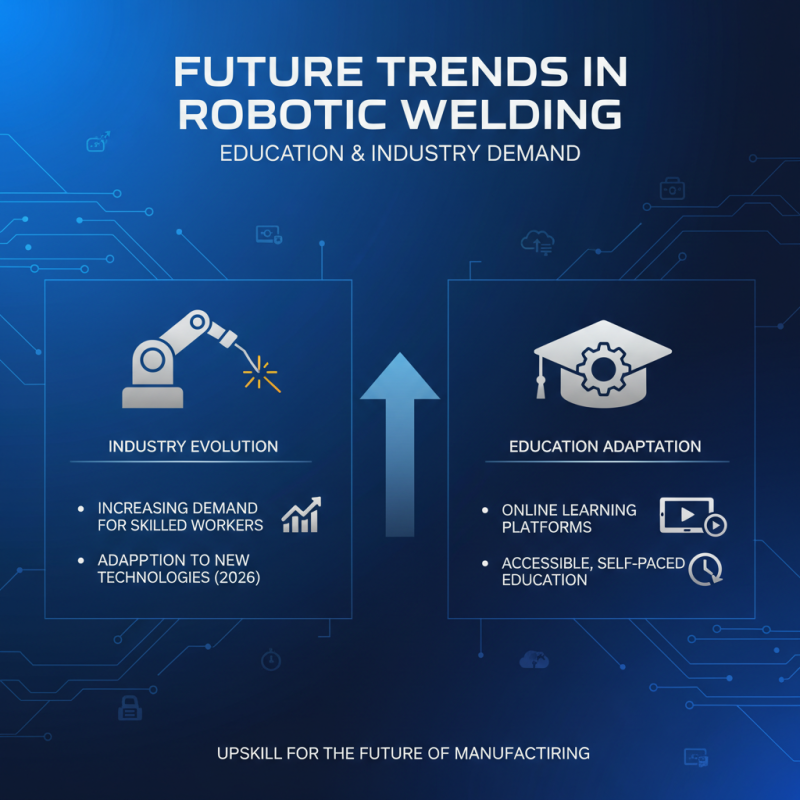
As the industry evolves, robotic welding education becomes crucial. The demand for skilled workers is increasing in various sectors. In 2026, the landscape of welding education will adapt to new technologies and methodologies. Online learning platforms will become more popular. Students can learn at their own pace, making education accessible.
Hands-on experience remains essential. Many programs will still focus on practical applications. Virtual reality will enhance training by simulating real welding scenarios. However, some courses might not integrate this technology effectively. Traditional methods can fall behind, lacking innovation.
Industry needs are shifting, emphasizing automation and smart technologies. Graduates will require skills in programming and maintenance of robotic systems. The gap between training and real-world requirements can create challenges. Education providers must respond to these shifts, refining their curricula. Adapting to future trends will ensure graduates meet market demands.
© 1999-2025 The Lincoln Electric Company