Unlocking the Future of Innovation through Robotic Programming for Beginners
As industries across the globe increasingly turn to automation to enhance productivity and efficiency, the importance of robotic programming has surged. According to the International Federation of Robotics, the global market for industrial robots is projected to reach $70 billion by 2025, underscoring the growing demand for skilled professionals in this field. Despite the rapid advancement of technology, there remains a significant skills gap, with an estimated 1.4 million robotics-related jobs expected to go unfilled in the coming years. This presents a unique opportunity for beginners to engage with robotic programming, a field that not only promises innovation and economic growth but also empowers individuals to contribute meaningfully to the future of various industries. By learning the fundamentals of robotic programming, individuals can unlock their potential to drive innovation and adapt to the evolving demands of a tech-driven world.

The Growing Demand for Robotics Skills in the Job Market
In today’s rapidly evolving job market, the demand for robotics skills has reached unprecedented levels. As industries increasingly integrate automation and smart technologies into their operations, employers are actively seeking candidates proficient in robotic programming and related skills. This growing appetite for robotics expertise is not just limited to engineering roles; it extends across various sectors, including manufacturing, healthcare, logistics, and even agriculture. Professionals with a foundation in robotics can significantly enhance their employability and career prospects.

The rise of robotic technologies presents a unique opportunity for beginners to enter this exciting field. Educational programs and online courses focused on robotic programming are becoming more accessible, making it easier than ever for newcomers to acquire essential skills. As organizations strive for efficiency and innovation, familiarity with programming languages and concepts such as machine learning, artificial intelligence, and automation frameworks becomes increasingly valuable. By embracing robotic programming, individuals can position themselves at the forefront of the technological revolution, meeting the demands of a job market that is rapidly transforming.
Exploring the Benefits of Robotic Programming for Beginners
Robotic programming for beginners is emerging as a pivotal skill in the ever-evolving landscape of technology and innovation. According to a report by the World Economic Forum, the demand for skilled professionals in robotics and automation is expected to grow by 20% by 2025. This surge underscores the importance of introducing beginners to the fundamentals of robotic programming, which can equip them with the tools necessary to thrive in this lucrative field. Learning the basics of coding and robotic systems not only fosters critical thinking but also enhances problem-solving skills, which are highly valued in numerous industries.
Moreover, organizations that invest in robotic programming education can see significant benefits. A study by McKinsey & Company indicates that companies implementing automation into their workflows can improve their operational efficiency by up to 30%, leading to substantial cost savings and increased productivity. By starting with programming for beginners, individuals can develop a strong foundation in robotics, allowing businesses to harness innovative solutions to optimize their processes. This initiative not only prepares the workforce for the future but also drives the industry toward unprecedented growth and innovation.
How Robotic Programming Fuels Innovation in Various Industries
Robotic programming is transforming various industries by driving innovation and increasing efficiency. According to a report by the International Federation of Robotics (IFR), the global industrial robot market is projected to reach $75 billion by 2025, highlighting the rapid adoption of automation in manufacturing processes. This surge is not limited to heavy industries; sectors such as healthcare, logistics, and agriculture are leveraging robotic programming to pioneer new solutions. For instance, mobile robots in warehouses can achieve up to 50% increased productivity, while robotic surgical systems have shown to reduce recovery times in patients significantly.
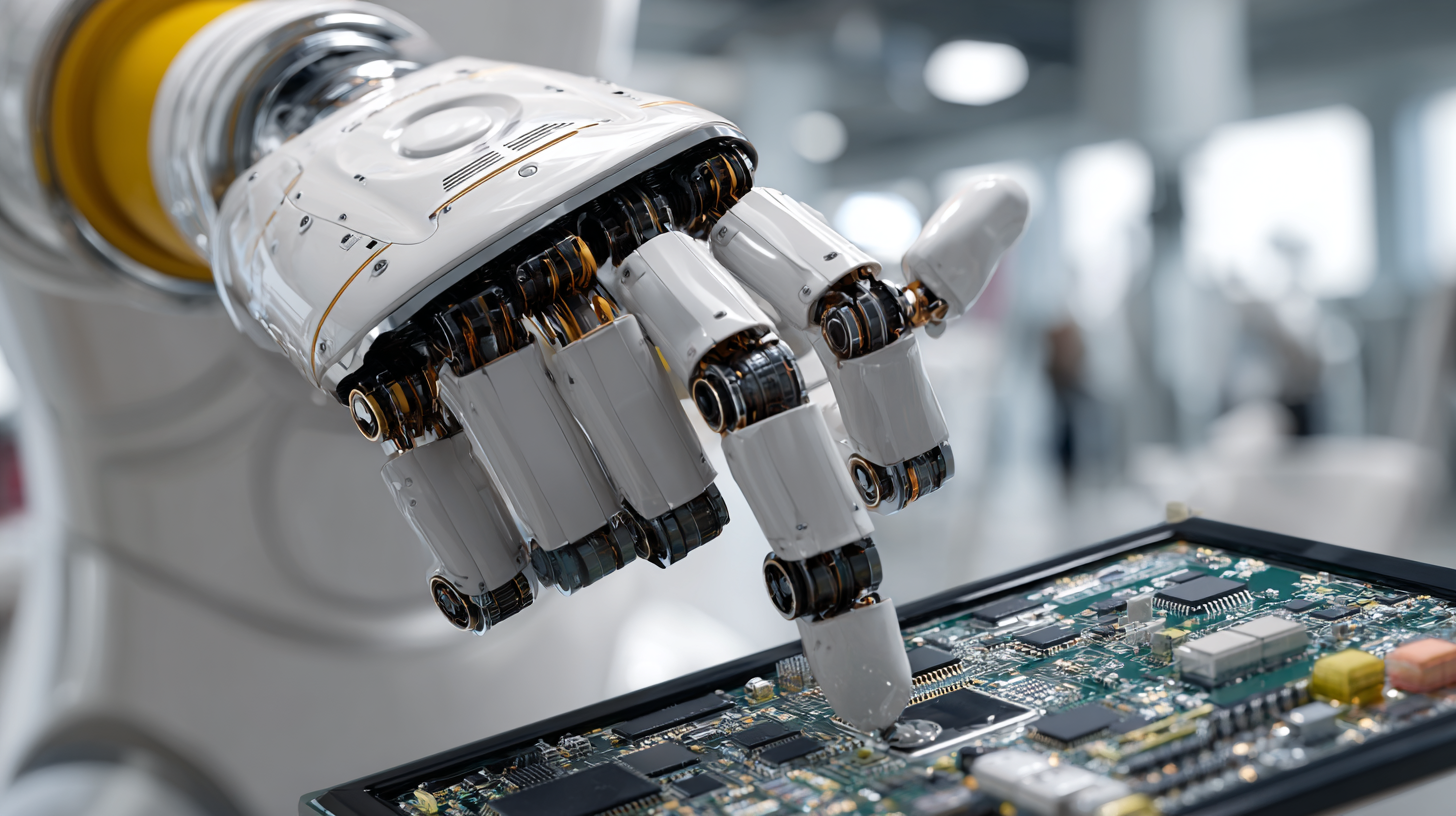
In the realm of automotive manufacturing, companies like Tesla and Ford are utilizing advanced robotic programming to optimize assembly line operations, leading to faster production cycles and lower costs. A McKinsey report recently noted that companies investing in robotics experience up to a 20% improvement in operational efficiency. Furthermore, startups focused on robotic programming are emerging, fostering a culture of innovation that challenges traditional business models. By equipping beginners with programming skills in robotics, we can catalyze a new generation of creators who will redefine the possibilities across various sectors, ultimately shaping the future of innovation.
Key Trends in Robotics Programming Affecting Future Technologies
The future of robotics programming is poised to revolutionize various sectors by leveraging key trends that define technological evolution. The rise of collaborative robots, or cobots, has transformed workplace dynamics as machines increasingly work alongside humans, enhancing productivity while ensuring safety. This integration not only streamlines production processes but also necessitates a new skill set for programmers. As we shift towards automation and AI, the ability to program these sophisticated robots strategically becomes essential.
Moreover, advancements in artificial intelligence and machine learning are paving the way for more intelligent robotic systems capable of complex tasks. These developments are particularly relevant as the global demand for industrial robots surges, positioning countries with strong robotics programming capabilities at a competitive advantage. Educational institutions and organizations must focus on empowering beginners with the tools and knowledge to navigate this evolving landscape. By fostering a new generation of innovators, we can unlock tremendous opportunities and address future challenges in technology and industry.
Educational Pathways to Mastering Robotic Programming Skills
Robotic programming is an essential skill in today’s tech-driven economy, with a projected global market growth of $135 billion by 2030, according to a report by Market Research Future. As industries increasingly adopt automation and robotics, acquiring fundamental programming skills becomes a pivotal educational pathway for aspiring innovators. Beginners can leverage a variety of accessible resources, ranging from online courses to community workshops, to familiarize themselves with programming languages such as Python, C++, and specialized languages like Robot Operating System (ROS).
**Tips for Beginners:** Start small by participating in beginner-friendly courses on platforms like Coursera or Udacity, where you can learn at your own pace. Engage with online communities such as GitHub or Reddit's robotics forums to connect with peers and seek guidance. Additionally, consider joining local robotics clubs to gain hands-on experience and collaborate on projects.
Diving into robotic programming not only prepares learners for emerging job opportunities but also cultivates critical thinking and problem-solving skills that are indispensable in various fields. Reports indicate that the demand for robotics engineers and programmers is expected to surge by 21% over the next decade, emphasizing the importance of educational pathways that equip novices with these sought-after competencies.
Unlocking the Future of Innovation through Robotic Programming for Beginners - Educational Pathways to Mastering Robotic Programming Skills
| Course Name |
Duration |
Level |
Skills Learned |
Certification |
| Introduction to Robotics |
6 weeks |
Beginner |
Basic robot programming, sensors, and actuators |
Yes |
| Python for Robotics |
8 weeks |
Intermediate |
Python programming, robot control, data processing |
Yes |
| Advanced Robotics Programming |
10 weeks |
Advanced |
Machine learning, AI integration, real-time processing |
Yes |
| Robotics for Kids |
4 weeks |
Beginner |
Basic robotics concepts, Scratch programming |
No |
| Robotics Competitions |
12 weeks |
Intermediate |
Teamwork, problem-solving, competition strategies |
Yes |