
What Are the Top Robotic Automation Solutions?

What Are the Top Robotic Automation Solutions?

Robotic automation is reshaping warehouses, factories, laboratories, and service operations. It combines programmable machines, sensors, software, and human oversight. The best solution depends on the task, environment, safety risks, and expected return.

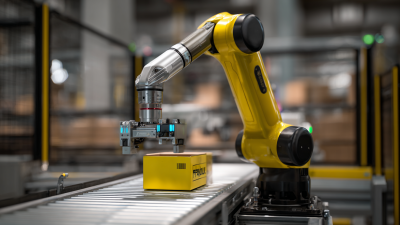
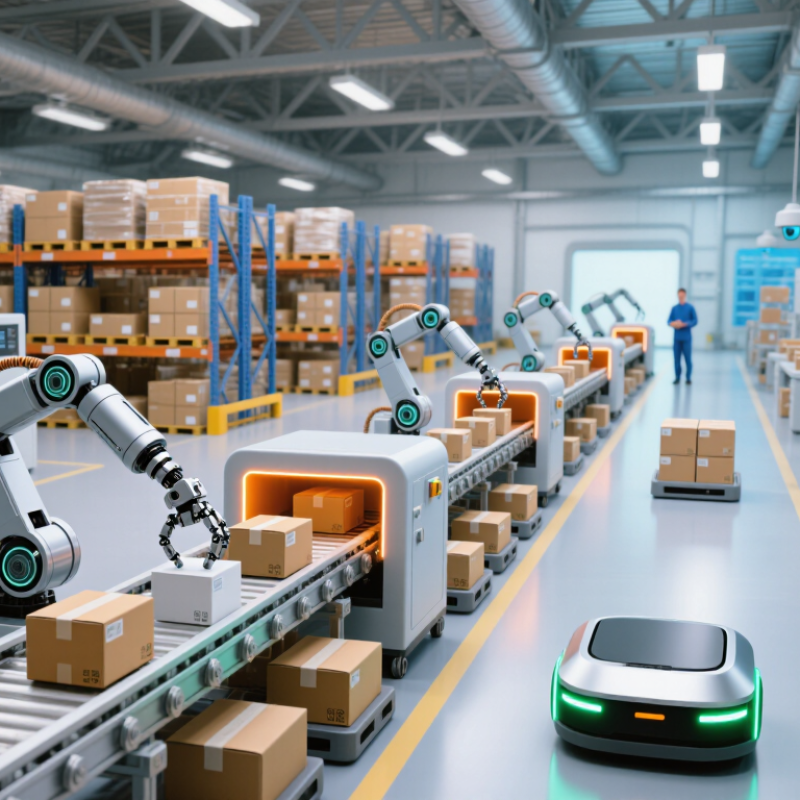
A robotic arm may sort parcels beside a conveyor. An autonomous mobile robot may carry parts across a busy factory floor. Software robots can process invoices while physical robots handle repetitive assembly. These examples look different, yet they share one goal: reliable work with fewer delays and errors.

David Autor, an MIT economist and leading automation researcher, wrote, “Automation does not generally substitute for human labor; rather, it complements it.” This view matters. Effective robotic automation should support workers, not simply remove them from a process. A poorly designed system can create new bottlenecks, confusing alerts, and expensive downtime.

The strongest solutions usually include collaborative robots, autonomous mobile robots, robotic process automation, machine vision, and intelligent warehouse systems. Each option has limits. A cobot may need careful payload planning. Vision systems can struggle with glare, dust, or irregular objects. Software automation may fail when data is incomplete.

Real performance requires evidence. Buyers should examine cycle time, integration demands, maintenance access, training needs, and cybersecurity controls. Pilot testing is essential. Sometimes, a simpler conveyor upgrade performs better than a sophisticated robot.

The answer is not always more automation. It is better alignment between technology, people, and measurable business needs.
What Are the Top Robotic Automation Solutions?

Defining Robotic Automation and Its Core Functions

Robotic automation combines software agents, sensors, and programmable machines to perform repeatable tasks. In office workflows, software robots read structured data, move information between systems, and trigger rule-based actions. In factories, physical robots pick, weld, inspect, or package products. The purpose is not to imitate every human decision. It is to reduce repetitive effort while improving speed, consistency, and traceability.

Its core functions include data capture, process orchestration, task execution, exception handling, and performance monitoring. A finance workflow might extract invoice fields, match purchase records, and request human approval when values conflict. A warehouse robot may identify a carton, calculate its position, and place it on a moving line. These systems need clear rules. They also need clean data. A poorly mapped process can run mistakes faster.

Industry figures show why demand is growing. The International Federation of Robotics reported 541,302 industrial robots were installed worldwide in 2023, with more than 4.28 million operating globally. Deloitte’s Global RPA Survey has repeatedly identified process standardization and governance as major barriers to automation value. That finding matters. Automation is not only a technology purchase; it is an operating discipline. Human review remains essential for ambiguous cases, safety checks, and changing regulations. The difficult part is often not building the robot. It is deciding where human judgment must stay.

What Are the Top Robotic Automation Solutions?

Defining robotic automation: Robotic automation combines programmable machines, sensors, control systems, and software to perform repeatable physical tasks with consistent speed and precision. Its core functions include material handling, assembly, welding, packaging, inspection, and machine tending.

The chart shows approximate global industrial robot installations by major application sector in 2023. These sectors commonly use robotic solutions for handling, assembly, welding, inspection, packaging, and machine tending.

Source: International Federation of Robotics, World Robotics 2024. Values are rounded estimates and represent thousands of installations.

Classifying the Main Types of Robotic Automation Solutions

Top Robotic Automation Solutions: Classifying the Main Types

Robotic automation solutions are best classified by movement, task, and working environment. The “top” option depends on production goals, product size, and required accuracy.

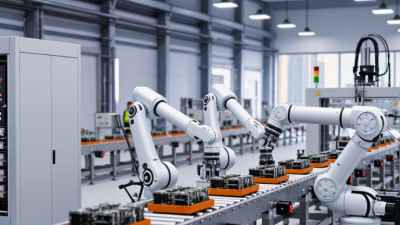
Articulated robots use several joints to handle welding, painting, assembly, and material transfer. Their wide movement range suits complex work cells. However, they need careful programming and protective safeguards.

Collaborative robots work beside trained employees and support lighter assembly, inspection, packaging, and machine tending. They can be easier to redeploy when product demand changes. Their performance still depends on tool design, speed limits, and risk assessment.

Mobile robots transport materials across warehouses and factories. Some follow mapped routes, while others respond to changing obstacles. They reduce unnecessary walking, but poor floor layouts can limit their value.

SCARA robots provide fast, repeatable horizontal movement for electronic assembly, sorting, and small-part placement.

Delta robots excel at high-speed picking, especially when products move along conveyors.

Autonomous systems combine sensors, software, and robotic arms for variable tasks. They are powerful, but data quality matters greatly.

In practice, teams should measure cycle time, error rates, maintenance access, and worker interaction before choosing a system. A short pilot often reveals problems hidden in a proposal.

No classification is perfect. A hybrid cell may perform better than one robot type alone. Teams sometimes underestimate training, spare parts, and process changes. That mistake can make an efficient machine look ineffective.

Comparing Leading Robotic Automation Technologies and Platforms

Robotic automation platforms differ less by appearance than by the problems they solve. Industrial robots suit repetitive, high-volume tasks such as palletizing, welding, and machine tending. They offer speed and repeatability, but require guarded cells, trained technicians, and careful floor planning. Collaborative robots work closer to people and usually need less space. Their lower payload and slower movement can limit heavy production.

Autonomous mobile robots move materials through changing warehouse layouts. They depend on reliable mapping, traffic control, battery planning, and clear safety zones. Software automation platforms handle digital tasks, including invoice checks, data entry, and workflow approvals. These tools can deploy quickly, but poor data quality may simply make mistakes faster. Integration matters more than impressive demonstrations. A useful platform should connect with production systems, sensors, maintenance records, and existing access controls.

In practical evaluations, I measure cycle time, error rates, training hours, maintenance response, and total operating cost. A small pilot often reveals hidden delays near shift changes or loading areas. Real conditions matter. My early assessments focused too heavily on robot speed and underestimated exception handling. That was a costly assumption. Teams should also inspect vendor documentation, cybersecurity controls, safety certifications, and local support coverage. The best technology is not always the most advanced. It is the one operators can understand, maintain, and trust during an ordinary Tuesday.

Evaluating Key Benefits, Costs, and Implementation Requirements

What Are the Top Robotic Automation Solutions?

Evaluating robotic automation requires more than comparing purchase prices. The strongest options usually include collaborative robots, autonomous mobile systems, robotic arms, and software robots for digital tasks. Each solution targets a different bottleneck. Robotic arms suit repetitive assembly, while mobile systems move materials across warehouses. Software robots handle structured office workflows. Choose the process, not the trend.

Benefits should be measured against real operating data. A well-designed system can improve cycle times, reduce repetitive errors, and limit physical strain for employees. It may also support consistent production during demand changes. However, these gains depend on stable workflows and accurate inputs. Automation cannot repair a badly designed process. That mistake is common.

Costs extend beyond equipment. Budget for integration, sensors, safety controls, training, maintenance, software updates, and temporary downtime. A pilot should define baseline metrics, such as hourly output, error rates, and manual handling time. Implementation usually needs process mapping, site preparation, employee involvement, and clear human oversight. Data security also deserves attention when systems connect with business platforms. I would not approve a full rollout after one impressive demonstration. Real environments contain uneven floors, unusual products, and unexpected exceptions. A limited pilot may reveal these weaknesses before they become expensive.

Selecting the Right Robotic Automation Solution for Different Industries

Choosing the right robotic automation solution starts with the industry, not the machine. A warehouse may need mobile robots for repeated transport between storage racks and packing stations. A metalworking plant may require robotic arms with force control for welding, polishing, or precise loading. Hospitals need quieter systems, clear access controls, and dependable movement around people.

Production volume also matters. High-volume manufacturers often benefit from fixed robotic cells with stable fixtures and predictable cycle times. Small workshops may prefer flexible systems that can be reprogrammed for different products. In food processing, washable surfaces, careful material selection, and accurate inspection are essential. In agriculture, robots must handle dust, uneven ground, changing light, and fragile crops. Real conditions are rarely as tidy as a demonstration video.

A responsible selection process tests safety, maintenance, integration, and operator training before measuring speed. The solution should connect with existing equipment without creating hidden manual work. Track cycle time, error rates, downtime, energy use, and recovery time after a fault. A pilot may disappoint, and that is useful evidence. I have seen automation projects struggle because workers were excluded from early testing. Their practical feedback often reveals awkward reach distances, unclear alerts, or cleaning delays. Human oversight remains necessary, especially when tasks change or sensors lose accuracy. Reliable automation is not always the most advanced option; it is the one that fits the workplace, earns trust, and performs consistently.