
Why buy a robot machine for your business? The answer is no longer limited to large automotive factories. The International Federation of Robotics reported 541,302 industrial robots were installed worldwide in 2023. Its World Robotics 2024 report also recorded more than 4.28 million industrial robots operating globally. Service robotics is expanding too. IFR’s World Robotics—Service Robots 2024 reported nearly 205,000 professional service robots sold in 2023.
The numbers are impressive. They are not a guarantee.
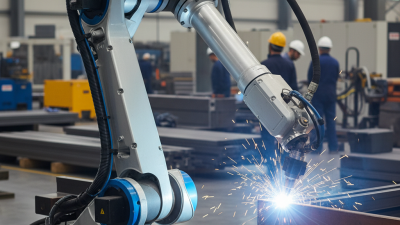
A robot machine can handle repetitive tasks, such as palletizing cartons, welding frames, or moving parts between stations. Picture a robot working beside a conveyor at 2 a.m., repeating the same motion without fatigue. That consistency may reduce production delays and protect workers from heavy, awkward movements. However, installation costs, programming, maintenance, training, and workplace safeguards must enter the calculation. A cheap machine can become expensive when integration is poorly planned.
Joseph Engelberger, founder of Unimation and widely regarded as the father of industrial robotics, said, “I can’t define a robot, but I know one when I see one.” His observation remains useful because businesses often purchase technology before defining the real problem. A careful buyer should measure cycle time, defect rates, labor availability, energy use, and expected payback. Start small. Test one process.
The strongest investment is not always the most advanced robot. Sometimes, a simpler machine with reliable support creates greater value. Companies should also review supplier experience, training quality, cybersecurity practices, and compliance documentation. These details feel less exciting. They often decide whether automation succeeds.
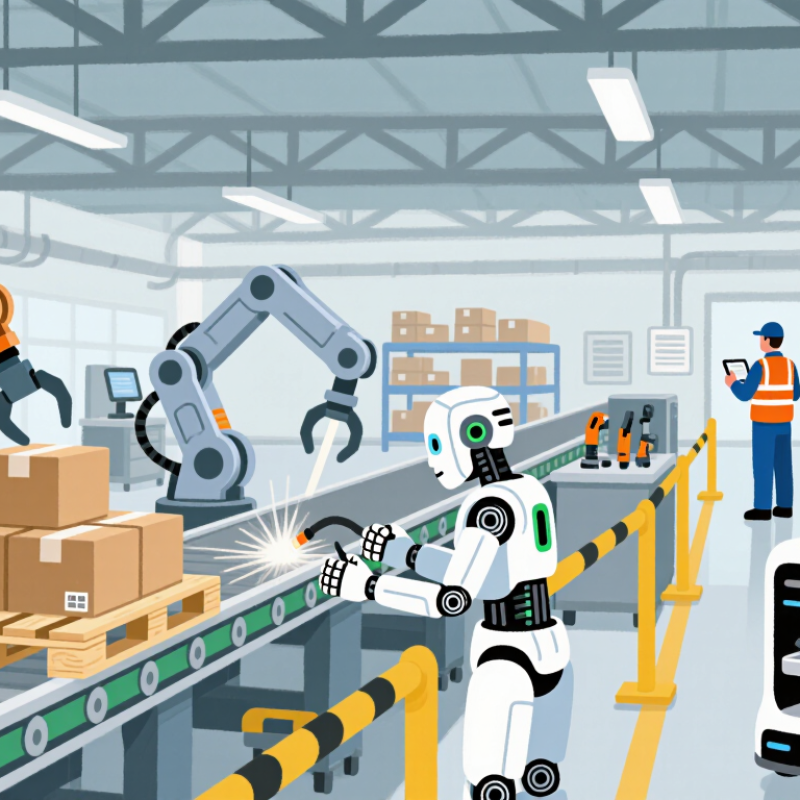
A robot machine can address repetitive work that quietly drains time and attention. In a small production area, it may handle sorting, packing, lifting, or machine tending. Workers then spend more time on inspection, troubleshooting, and customer requirements. This shift can reduce strain from repeated wrist and back movements. It can also make output more consistent during long shifts. The practical value is not speed alone. It is predictable performance.
Capacity is another common business need. A robot can repeat measured movements at night, during peak orders, or across multiple shifts. This helps companies manage demand without immediately expanding the workforce or floor space. Sensors and programmed limits can support safer operation around people. However, safety depends on proper risk assessment, guarding, training, and regular checks. Automation is not a substitute for responsibility.
Integration deserves careful attention. A useful machine should fit existing workflows, product sizes, power capacity, and maintenance skills. Before purchase, managers should record cycle times, error rates, downtime, and labor costs. These figures create a clearer investment case than optimistic estimates. Overlooked setup time can weaken an otherwise strong plan. Spare parts, software updates, and operator training also affect long-term reliability. Some tasks may be too variable for automation. That limitation matters. A thoughtful trial can expose problems before a full rollout.
In modern operations, robot machines combine sensors, software, motors, and task-specific tools. A warehouse unit may scan a shelf, calculate distance, and move a container. Cameras identify shapes, while force sensors detect unexpected resistance. The control system compares each reading with programmed limits. It then slows, stops, or changes direction. They need boundaries. This process reduces repetitive lifting and keeps output more consistent during long shifts. Yet automation does not remove responsibility. Trained staff must inspect moving parts and review unusual alerts.
A practical deployment starts with one measurable problem, such as sorting 600 packages per hour. Managers map the workflow before choosing equipment. They check floor space, lighting, network reliability, payload limits, and worker access. Integration software connects the machine with inventory or production records. Operators can then view task status, error codes, and maintenance schedules from a shared dashboard. Practical pilot tests often reveal issues that spreadsheets hide. A narrow aisle or dusty sensor can disrupt an impressive demonstration. This limitation deserves attention. Pilot data should guide slower speeds, revised routes, or different tooling.
Robot machines also support quality control. A camera can compare labels, dimensions, or surface defects against approved standards. However, false readings still happen. Poor lighting, damaged packaging, or incomplete training can mislead the system. Human review remains valuable for exceptions and ethical decisions. Businesses should measure downtime, recovery time, injury reduction, and total operating cost, not excitement alone. The fastest machine may not be the wisest choice. Workers must supervise, maintain, and improve it safely.
Investing in business robotics can improve output, consistency, and workplace safety. The International Federation of Robotics reported 541,302 industrial robot installations worldwide in 2023. More than 4.2 million industrial robots were operating globally. This growth reflects practical demand, not only futuristic ambition.
A robot can repeat precise movements across long shifts. It can handle welding, palletizing, inspection, or material transfer. Employees can then focus on maintenance, process control, and problem-solving. The International Labour Organization notes that automation can reduce exposure to hazardous and physically demanding tasks. That benefit matters on a noisy factory floor, where heat, dust, and repetitive lifting create daily risks.
Better throughput is another advantage. The World Economic Forum’s Future of Jobs Report 2023 found that 44% of workers’ skills may be disrupted within five years. Robotics investment should therefore include training, not just equipment. A short learning curve can become a costly weakness. Some businesses also underestimate integration time, floor-space changes, and data quality. That is a real concern.
A pilot cell can measure cycle time, defect rates, downtime, and payback. Managers should compare results with baseline production records. Industry reports provide useful direction, but each facility has different labor costs and workflows. A careful trial often reveals whether the machine truly creates value or merely looks advanced.
Why Buy a Robot Machine for Your Business?
The business case begins with total cost, not the machine’s price. Integration may require tooling, guarding, software, operator training, and line modifications. Maintenance also needs spare parts and specialist support. The International Federation of Robotics reported 541,302 industrial robots installed worldwide in 2023. That growth shows strong adoption, but it does not guarantee a return on investment. A robot placed into an unstable process can automate waste. Very efficiently.
Risk assessment should happen before purchasing. Unclear product variations may create frequent changeovers and expensive downtime. Poorly designed work cells can also introduce collision, ergonomic, or access hazards. Cybersecurity deserves attention when robots connect with production networks. Workforce acceptance matters too. Employees may need new skills, not simple replacement. The International Federation of Robotics also reported more than 4.2 million industrial robots operating globally in 2023, proving that implementation experience is broad, but not equally transferable between factories.
Tips: Start with one repetitive, measurable task. Record cycle time, defect rates, downtime, and labor hours for several weeks. Request a realistic pilot using actual materials. Include integration, training, maintenance, and energy costs in the payback model. Set a review point after ninety days. If results disappoint, investigate the process before blaming the robot. That reflection is often missing. Use independent safety and engineering reviews, and document every change before production begins.
Costs, Risks, and Practical Implementation Factors
What the data suggests: Global industrial robot installations increased from approximately 373,000 units in 2019 to 541,302 units in 2023, showing sustained demand for automation across manufacturing.
However, installation growth alone does not guarantee a positive return on investment. Businesses should evaluate robot price, tooling, integration, safety systems, programming, maintenance, employee training, downtime risk, and the suitability of the production task before purchasing.
Source: International Federation of Robotics, World Robotics reports. Figures represent annual global industrial robot installations.
Choosing the right robot machine starts with your process, not the machine’s appearance. The International Federation of Robotics reported 541,302 industrial robot installations worldwide in 2023. More than 4.28 million robots were operating globally. This growth shows strong demand, but popularity does not guarantee suitability.
Measure payload, reach, cycle time, accuracy, and working hours. A robot lifting a 20-kilogram part may need a higher rated payload for safe movement. Check the end-effector, fixture, conveyor, and software compatibility. Also examine floor space and environmental conditions. Dust, heat, moisture, and frequent cleaning can change your choice. Calculate total cost, including integration, training, maintenance, energy, and downtime. A lower purchase price can become expensive later.
Tips: Test the machine with your real parts. Record cycle times across several shifts. Ask operators where errors happen. Review service response and spare-parts availability. The IFR World Robotics 2024 report provides useful market context, but your production data matters more. A pilot cell is often safer than a full rollout. Still, pilots can mislead when they use perfect parts and ideal staff. Leave room for mistakes, adjustments, and unexpected maintenance. Choose equipment that your team can understand, monitor, and improve daily.
© 1999-2025 The Lincoln Electric Company