
Choosing the right packaging equipment can shape daily production, product quality, and customer trust. A Cans Filling Machine offers a practical way to improve filling consistency across busy production lines. It can handle repeated tasks with controlled volume, steady speed, and less product waste. For beverage, food, and other permitted products, this consistency matters. One underfilled can may create complaints. A messy filling area can slow the entire shift.
In real facilities, operators often notice the difference during peak orders. Cans move along the conveyor, pause briefly, fill, and continue toward sealing. The process looks simple. It is not always simple. Product viscosity, foam, temperature, can size, and cleaning routines affect performance. A machine that works well for one product may require changes for another. Careful testing remains essential.
This guide examines why businesses choose a Cans Filling Machine and what decision-makers should evaluate before purchasing. We will consider filling accuracy, production capacity, sanitation, maintenance access, energy use, and operator safety. Reliable suppliers should provide clear specifications, practical training, and responsive technical support. Independent testing and documented operating results can strengthen the decision. Price alone can mislead.
A faster machine is not automatically better. A lower-cost model may create higher maintenance expenses later. Thoughtful selection begins with the actual product, facility layout, and expected workload. Small details matter. The right equipment should support stable production without making the workplace harder to manage. Some assumptions may fail in practice, so reviewing trial results and operator feedback is wise.
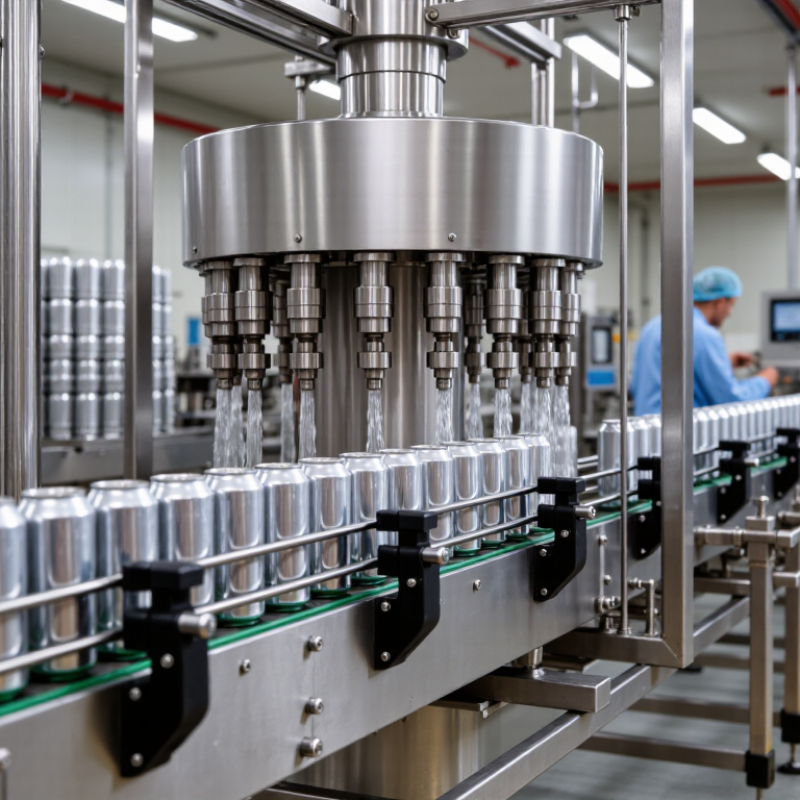
A cans filling machine is industrial equipment that fills liquid products into empty metal cans. It controls the product volume through valves, pumps, and timing sensors. The machine may process beverages, sauces, oils, or other approved liquid goods. Different products require different filling methods. That difference matters.
On a typical line, empty cans move along a conveyor and enter the filling area. A rinsing station can remove dust before filling begins. Filling valves then release a measured amount into each can.
The machine leaves enough space for safe sealing and product movement. A seaming unit folds the lid tightly onto the can body. Operators monitor pressure, temperature, fill levels, and conveyor speed from a control panel. Small changes can affect output.
In practical use, accurate cleaning is as important as filling speed. Product residue around a valve can create hygiene risks and inconsistent volumes. Experienced operators inspect seals, hoses, and sensors before production starts. They also check sample cans by weight and examine seams under proper lighting. Automation reduces repetitive work, but it does not remove human judgment.
I have found that settings are rarely perfect on the first trial. Foam, temperature changes, or unusual viscosity may require adjustment. A well-designed machine should allow safe access, clear controls, and straightforward maintenance.
A cans filling machine turns an empty can into a measured product package through coordinated stages. Cans enter on a conveyor and pass a guide rail that keeps each opening centered. Sensors check spacing and detect missing or damaged cans. A rinse station may remove dust before filling. Clean handling matters.
During filling, a lifting platform raises each can beneath a valve. The valve seals against the rim, then product flows through a controlled passage. For carbonated drinks, the machine may introduce gas before filling to reduce foaming. Pressure inside the can balances with the product tank. This small step affects speed, foam, and fill accuracy. A level probe, timer, or flow meter controls the target volume. Short cans and tall cans need different settings.
After filling, cans move directly to a seamer. The seaming head folds the lid and can flange together in precise movements. Operators inspect seam tightness, fill height, and conveyor alignment at regular intervals. In my experience, minor calibration errors can create surprising waste. Even a worn guide rail may cause splashes or tilted cans. No system runs perfectly. Staff still need training, records, and sensible checks. A practical machine should allow safe cleaning and quick changeovers, because real production rarely stays uniform.
| Dimension | Typical Data or Range | Business and Operating Significance |
|---|---|---|
| Primary Function | Doses liquid products into open cans before sealing | Automates a repetitive filling operation and supports consistent production quality. |
| Common Machine Types | Gravity, volumetric, piston, flow-meter, and isobaric filling systems | The filling principle can be selected according to viscosity, carbonation, temperature, foaming tendency, and required accuracy. |
| Typical Production Capacity | Approximately 20–600 cans per minute, depending on configuration | Suitable capacity selection helps match the filler with demand, packaging-line speed, and available floor space. |
| Supported Can Formats | Commonly 200–568 mL cans; some systems handle larger formats | Change parts and recipe settings allow one production line to serve multiple package sizes. |
| Suitable Products | Water, juices, soft drinks, beer, energy drinks, sauces, dairy beverages, and other liquids | Product-contact materials and filling technology should be matched to acidity, viscosity, carbonation, and hygiene requirements. |
| Step 1: Can Infeed | Empty cans enter through a conveyor and are spaced or indexed | Controlled can movement reduces collisions, tipping, and line interruptions. |
| Step 2: Positioning | Cans are aligned under filling valves or nozzles | Accurate positioning helps prevent splashing and improves fill consistency. |
| Step 3: Filling | Liquid flow is controlled by valves, timed dosing, volume measurement, or pressure balance | The selected method controls product loss, foam formation, fill level, and throughput. |
| Step 4: Draining or Settling | A short stabilization period may be used for foamy or carbonated products | This helps achieve a more uniform headspace and reduces liquid overflow before seaming. |
| Step 5: Transfer to Seamer | Filled cans move directly to a can seaming unit | Integration with the seamer creates a continuous filling and closing process. |
| Typical Fill Accuracy | Often within approximately ±0.5% to ±1.5%, depending on product and machine type | Higher accuracy can reduce overfill costs while helping maintain declared package volume. |
| Automation Level | Manual, semi-automatic, automatic, or fully integrated line operation | Automation can lower direct labor requirements and improve repeatability during long production runs. |
| Product Temperature | Often ambient or chilled; hot-fill applications require purpose-designed equipment | Temperature affects viscosity, foaming, filling speed, sanitation, and equipment material selection. |
| Cleaning Method | Manual cleaning or clean-in-place (CIP), depending on machine design | CIP-compatible designs can shorten cleaning procedures and improve hygienic control. |
| Common Construction Materials | Food-grade stainless steel, commonly grades 304 or 316 for product-contact areas | Stainless steel provides corrosion resistance, cleanability, and durability in food and beverage environments. |
| Key Benefits | Higher throughput, consistent volume, reduced spillage, improved hygiene, and easier process control | These benefits can improve production efficiency and support more predictable packaging costs. |
| Selection Criteria | Product properties, target speed, can dimensions, fill volume, hygiene standards, changeover needs, and available utilities | Evaluating these factors before purchase helps ensure that the machine fits the complete packaging process rather than only the filling step. |
Note: The figures shown are typical industry ranges for general reference. Actual performance depends on product characteristics, can format, filling technology, automation level, and line configuration.
Cans filling machines suit beverage producers, food processors, and contract packers with repeatable production needs. Small breweries, sparkling-water companies, and ready-to-drink beverage makers can benefit from controlled filling volumes. So can sauce, soup, fruit, and pet-food producers. The machine must match the product’s viscosity, temperature, and carbonation level.
Market data supports this demand. Mordor Intelligence estimates the global canned food market will grow steadily through 2029, driven by convenience and longer shelf life. The Can Manufacturers Institute reported that aluminum beverage cans remain a major packaging format in the United States. This matters for growing businesses. A filling machine can reduce spills, improve portion accuracy, and create a cleaner workflow. It is not magic. Poor sanitation or incorrect pressure settings can still damage product quality.
Tips: Measure your hourly output before buying equipment. Test real cans with your actual product. Ask for documented filling accuracy and cleaning procedures. Leave room for staff training, maintenance, and future product changes. A very fast machine may be wasteful for a seasonal producer. Sometimes, a smaller semi-automatic system is the more responsible choice. The best decision depends on production volume, labor costs, can dimensions, and quality controls.
A can filling machine can turn a crowded production floor into a more controlled workspace. Its main advantage is repeatable volume. Each can receives a measured fill, reducing costly giveaways and uneven shelf presentation. In practical production, operators can watch fill levels through inspection lights and adjust settings before waste grows.
Speed matters when orders change quickly. A well-configured machine fills and seals cans continuously, while workers focus on material loading, quality checks, and sanitation. This division of work can reduce physical strain and improve output without simply adding more staff. Enclosed filling areas may also limit unnecessary contact during production. That matters.
Modern systems can record fill weights, production counts, and stoppages for more reliable quality decisions. These records help supervisors identify a clogged valve, unstable pressure, or drifting scale before a full batch suffers. Format changes are another benefit, although they are not always effortless. Different can sizes may require new guides, recipes, or tooling, and rushed changeovers can erase expected gains.
Maintenance deserves equal attention. Neglected seals and valves create leaks, downtime, and questionable results. A filling machine is useful, but it is not magic. Its value depends on trained operators, verified measurements, and a cleaning routine that actually happens.
Choosing a can filling machine starts with your actual production conditions, not a supplier’s fastest headline speed. PMMI’s Beverage Trends in Packaging and Processing report identifies labor availability, automation, and operating efficiency as major packaging concerns. Therefore, calculate your required output carefully. A small beverage plant may need 2,000 cans per hour, while a larger line may require 30,000 or more. Buying excessive capacity can increase energy use, maintenance costs, and changeover waste.
Check the machine’s filling accuracy, seam protection, and cleaning process. For carbonated drinks, stable pressure control helps reduce foam and product loss. Ask for test results using your can diameter, liquid viscosity, and filling temperature. A 330 ml can may behave very differently from a 500 ml can. The machine should also support practical changeovers, accessible valves, and documented sanitation procedures. These details matter during a long production shift.
Consider total cost, not only the purchase price. Include electricity, compressed air, spare parts, training, downtime, and technical support. The International Aluminium Institute reports that recycling aluminium can save up to 95% of the energy required for primary production. A machine that reduces rejects supports this wider efficiency goal. Faster is not always better. I would not trust a brochure alone; request a factory trial, inspect filled seams, and compare measured results with your forecast. Even experienced buyers can underestimate cleaning time.
© 1999-2025 The Lincoln Electric Company