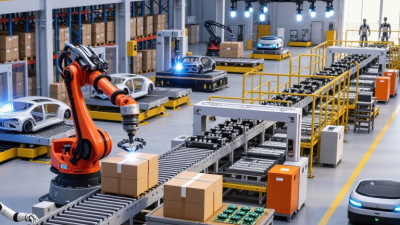
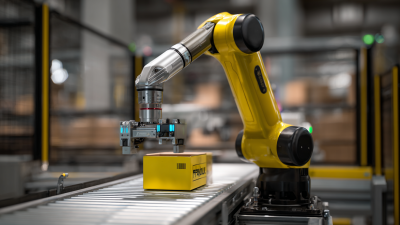
Robotic systems now handle far more than repetitive assembly. On a busy factory floor, an articulated arm may weld a vehicle frame while a compact SCARA robot sorts small components nearby. Autonomous mobile robots can move bins between workstations, reducing the distance workers travel. Each system solves a different problem. Fit matters more than hype.
This guide examines leading manufacturing robot types and the tasks they suit, including machine tending, packaging, inspection, palletizing, and material transport. It also explains practical buying factors: payload, reach, repeatability, cycle time, safety features, integration, maintenance, and total cost. A robot that moves heavy parts accurately may still be a poor choice for a cramped cell or frequent product changeovers. Not every cell needs one. For some operations, a simpler fixture or redesigned workflow may work better.
Vendor specifications offer a useful starting point, not a guarantee of results. Check them against real production conditions, such as variable part placement, shift length, and the time needed to change a tool. Even the best chart can mislead. A short pilot run can reveal missed handoffs, awkward access, or downtime that a demonstration does not show. No shortlist stays perfect for every plant; production mixes change, and a clean demo rarely captures a Tuesday shift. The aim here is a clear, evidence-minded comparison of robotic systems, so manufacturers can match capabilities to measurable needs rather than buy on impressive videos alone.
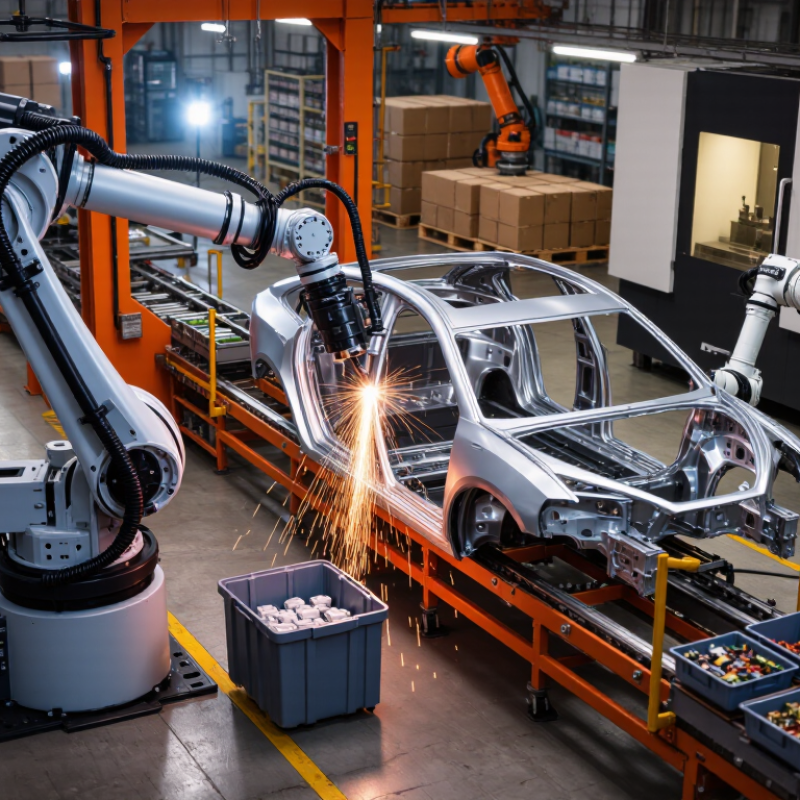
Manufacturing uses several robotic system categories, each suited to different movements and tasks. Articulated robots have rotating joints and broad reach. They commonly handle welding, machine tending, and material handling. SCARA robots move quickly across a horizontal plane, making them useful for assembly and pick-and-place work. Delta robots use linked arms to move lightweight items at high speed, such as small packages on a conveyor. Fit matters.
Cartesian robots travel along straight axes. Their predictable paths work well for loading, dispensing, and large-format handling. Collaborative robots are designed to work near people, but safe operation still depends on risk assessment, guarding choices, and the specific task. Autonomous mobile robots move materials between work areas; they can reduce repetitive transport, though busy aisles may complicate routing. These categories can overlap in a production line. A fast robot is not automatically the best choice.
Tips: Match payload, reach, cycle time, and placement accuracy to the actual job. Watch the cell during a full shift, not just a demonstration. Note jams, awkward handoffs, and operator adjustments. Small process details often change the right system choice.
A robot’s reach is not simply the length of its arm. It describes the area its tool can access, and that area depends on joint motion, mounting position, and nearby obstacles. A Cartesian system moves along straight axes, making its rectangular work envelope easy to plan. It suits tasks such as loading a machine or moving parts between fixed stations. An articulated arm bends through several joints, reaching around fixtures and approaching a part from different angles. That flexibility has limits: cables, guards, and the arm itself can block useful paths.
SCARA systems combine horizontal reach with vertical motion, often serving assembly and pick-and-place work. Delta robots move lightweight tools quickly above a broad, shallow work area; their speed does not make them ideal for heavy loads.
Motion matters. A design with long reach may still struggle to reach a recessed target cleanly, while a compact arm can work well when its base sits close to the task. Check payload at full extension, not only near the base. And test the actual tool path. A simulation can miss a clamp or awkward approach angle.
In practice, compare the robot’s usable workspace with the part’s position, required orientation, and cycle time. Leave room for maintenance and safe access. One detail is easy to overlook: longer reach can reduce stiffness at the tool, affecting accuracy under load. The right choice is sometimes less obvious than the catalog diagram suggests. It is worth measuring the real cell.
Articulated robots handle welding, spray painting, and machine tending. Their joints reach around fixtures and into awkward work envelopes. A six-axis arm can load a lathe, then turn a part for inspection. It needs guarding and carefully planned access. SCARA robots suit fast, repeatable assembly on flat work surfaces. Think connector insertion, screwdriving, or moving small parts between trays. They are less suited to deep, three-dimensional paths. Good fit, sometimes.
Cartesian gantry robots work well for dispensing, cutting, and palletizing across rectangular areas. Their straight-line motion simplifies coverage of a large machine bed. But floor space and structure matter. Delta robots excel at very rapid picking of light items, such as caps or packaged components. They can sort parts from a moving conveyor, though heavy or irregular objects may slow them down. Mobile robots can carry bins between work cells, reducing repetitive transport. They do not replace an arm when precise gripping is needed.
Collaborative arms are useful for lower-volume tasks, including inspection, kitting, and assisted assembly. Operators can reposition them as product mixes change. Still, “collaborative” does not mean risk-free; tooling, speed, and the actual task need assessment. A practical choice starts with payload, reach, cycle time, and part variation. Then test real parts. An awkward exception can reveal more than a polished demonstration.
Comparing robotic systems starts with the task, not the machine’s headline speed. Measure the part’s weight, dimensions, and working distance at the actual station. A robot may lift a heavy component but lose reach near the edge of its workspace. Check repeatability under load, too; a small positioning error can misalign holes or leave uneven adhesive beads. Speed matters, but only when fixtures and upstream equipment can keep pace. Otherwise, the faster robot simply waits.
Look closely at the production environment. Dust, heat, washdowns, and vibration can affect reliability and maintenance intervals. Ask how operators will teach new paths and recover from routine stoppages. Easy recovery matters. Safety features should fit the cell layout, including access for loading parts and clearing jams.
Integration is often the difficult part: sensors, grippers, conveyors, and existing controls must exchange dependable signals. Request a trial using representative parts, not an ideal sample. Record cycle time, rejects, and downtime across several shifts. A short demonstration can hide awkward changeovers.
Total cost should include tooling, guarding, programming, training, and service, not just purchase price. Some estimates will still be uncertain, especially before the line runs in real conditions. That deserves a second look.
Selecting a robotic system starts with the task, not the machine. A six-axis arm can handle varied paths, while a SCARA robot often suits fast, planar assembly. Collaborative robots may fit lower-volume work where people and machines share a station. Automated mobile robots can move materials between production areas. Each option has limits.
Manufacturers should measure real cycle times, part weights, reach, and required repeatability. A gripper that works on one sample may slip on oily or slightly different parts. Check the cell layout, too: a robot’s reach on a drawing may not clear a fixture on the floor. That matters. Safety reviews, maintenance access, and operator training belong in the plan before installation.
Integration is often the harder part. The robot must communicate with conveyors, sensors, safety equipment, and production software. A small pilot can reveal timing issues, awkward handoffs, or frequent stoppages before a full rollout. Track output, downtime, and quality using the same measures as the existing process. One uncomfortable lesson: automation may expose a weak workflow rather than fix it. Leave room to revise the process, and involve technicians who will maintain the cell every day.
© 1999-2025 The Lincoln Electric Company